Cholera outbreak in Niger raises health concerns
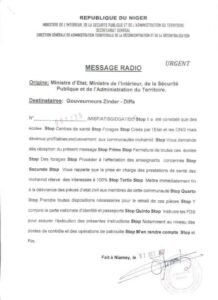
Over 600 cholera cases reported in Niger’s Maradi and Zinder regions in recent weeks, prompting swift action from health authorities.
The recent cholera outbreak in Niger has reached alarming levels, with health officials reporting more than 600 confirmed cases in the southern regions of Maradi and Zinder. This intestinal infection, caused by bacteria in contaminated water, has already claimed at least 19 lives.
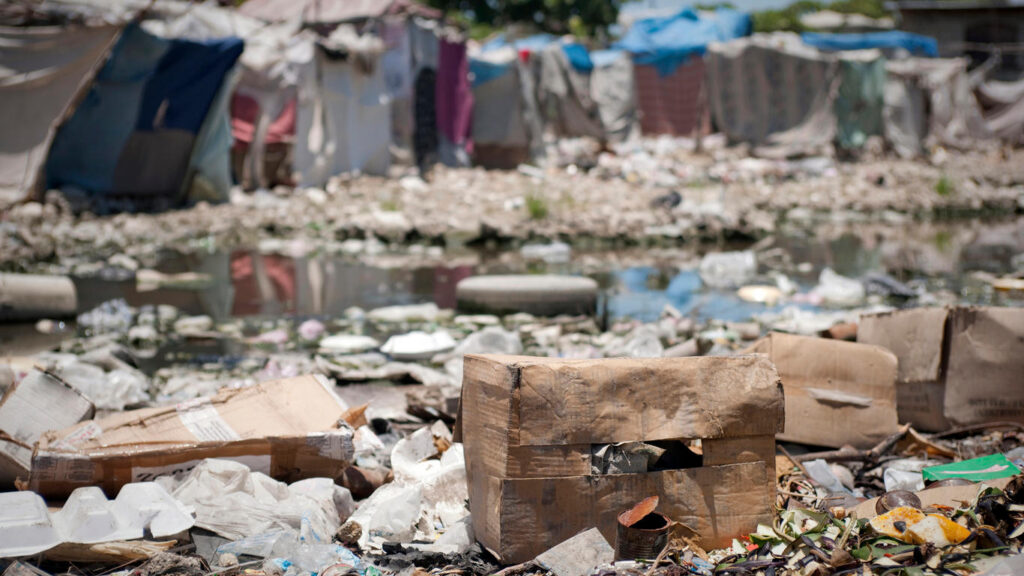
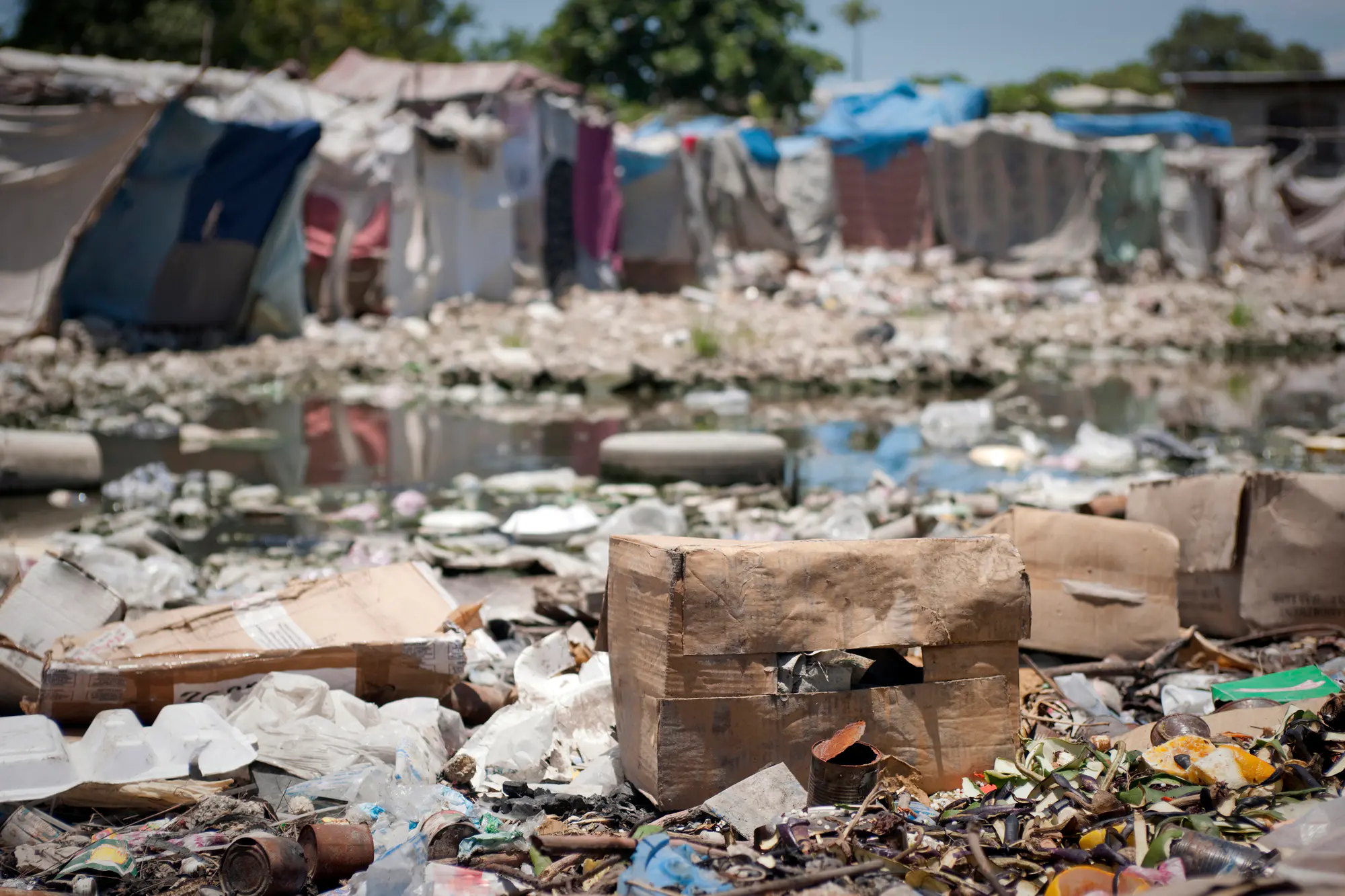
The situation has been exacerbated by heavy rainfall along the border between Niger and Nigeria, which has led to widespread contamination of water sources. Authorities have mobilized emergency response teams to set up treatment centers in the worst-affected areas.
How cholera spreads and why prevention is crucial
Cholera spreads rapidly through contaminated water and food, with poor sanitation and inadequate hygiene practices serving as major catalysts. In Niger, limited access to clean drinking water and insufficient waste management systems have created ideal conditions for the disease to thrive. Health experts emphasize that preventive measures must be prioritized to control the outbreak.
Public health response and long-term solutions
In response to the crisis, health authorities have launched extensive awareness campaigns to educate communities about cholera prevention. These include promoting proper handwashing, ensuring safe drinking water, and improving sanitation infrastructure. While immediate treatment is available, long-term solutions require investment in water treatment facilities and public health infrastructure.
The current outbreak follows a pattern seen since the last major epidemic in 2018. Experts warn that Niger’s population may have grown more vulnerable to cholera due to waning immunity over time.
Key takeaways for staying safe
- Boil or treat drinking water to eliminate harmful bacteria
- Wash hands frequently with soap and clean water
- Avoid consuming raw or undercooked food from contaminated sources
- Seek immediate medical attention if cholera symptoms appear