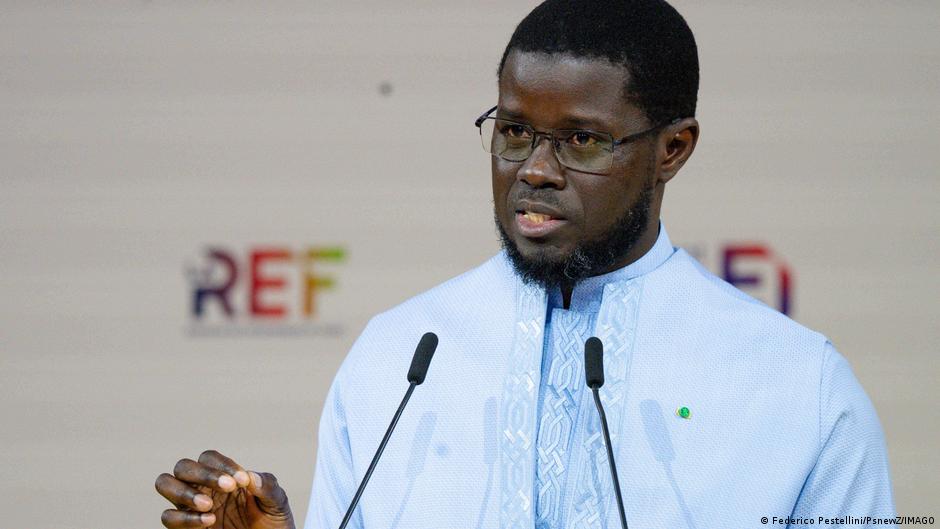
The political landscape of Sénégal is undergoing a significant shift with President Bassirou Diomaye Faye at the helm, navigating uncharted waters. The recent reshuffle in the government has intensified discussions about governance and reform in the country. A key development emerged when the former Prime Minister, Ousmane Sonko, was elected as President of the National Assembly, despite his previous dismissal by the head of state.
This unexpected turn of events has raised questions about the stability of the political alliance that once united them. Sonko’s election, backed by the majority of his party, Pastef, underscores a complex dynamic within the ruling coalition. His new role as the second-highest authority in the state further complicates the executive’s ability to implement reforms in a nation grappling with economic challenges.
In response to these developments, Bassirou Diomaye Faye appointed Ahmadou Al Aminou Lô, a former executive at the Banque Centrale des États de l’Afrique de l’Ouest, as the new Prime Minister. This move signals a strategic effort to reinforce governance amid growing political tensions.
The question now is whether the president can steer the country toward progress despite the fractures within his own political base. To explore this critical issue, a panel of experts gathered to analyze the situation:
- Mamoudou Ibra Kane, a journalist and author known for his insights into Sénégal’s political transitions, including his work Troisième alternance au Sénégal: mon double regard.
- Karine Oriot, a seasoned geopolitical analyst offering a global perspective on regional affairs.
- Moussa Diaw, a distinguished emeritus professor of political science at the Université Gaston Berger in Saint-Louis, specializing in international relations.
The debate delved into the implications of these political maneuvers and their potential impact on Sénégal’s future trajectory.