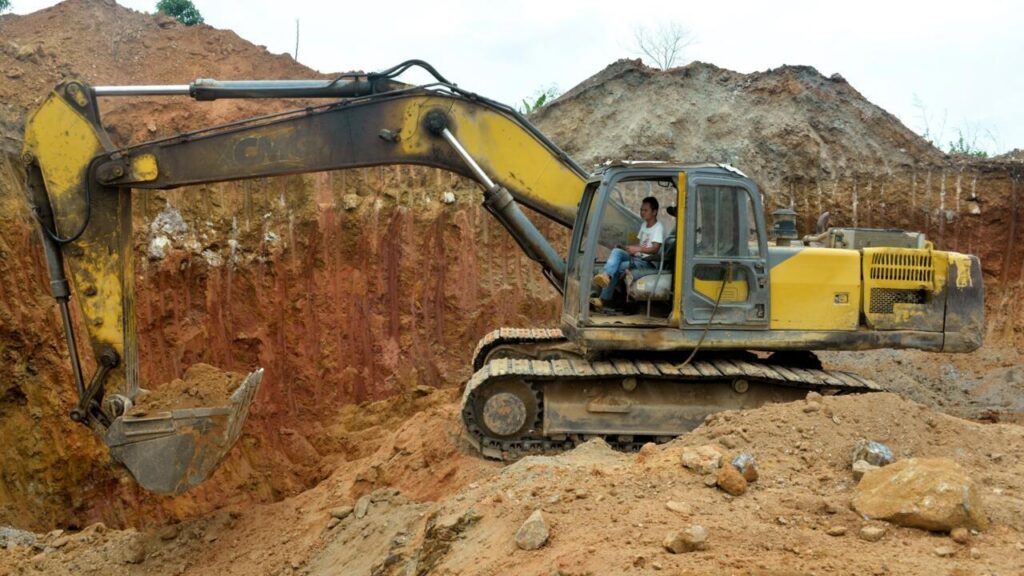
The gold mining sectors in Cameroon and the Democratic Republic of Congo (DRC) face persistent challenges in revenue transparency and regulatory oversight. Despite ongoing reforms, both nations struggle to account for the full volume of gold extracted and exported, raising concerns about illicit financial flows and state revenue losses.
revenue gaps and regulatory shortcomings
Recent findings from the Institute for Security Studies (ISS) highlight a widening discrepancy between official gold export declarations and actual trade volumes. In 2023, Cameroon reported just 22 kilograms of gold exported, while international buyers claimed purchases totaling 15 metric tons. This stark contrast underscores systemic gaps in monitoring and enforcement.
Experts point to weak institutional frameworks and inconsistent implementation of transparency initiatives, such as the Extractive Industries Transparency Initiative (EITI), as key factors exacerbating the problem. The ISS report emphasizes that without robust accountability mechanisms, both national and foreign operators continue to operate with minimal oversight.
call for stronger oversight and transparency
Professor Aïcha Pemboura, a researcher at the Observatory on Organized Crime and Violence in Central Africa, stresses the urgent need for stricter regulations. She argues that gold mining must align with broader economic and governance reforms to ensure that profits benefit local communities rather than disappearing into opaque financial channels.
Civil society organizations in both countries have echoed these concerns, citing corruption and weak law enforcement as major obstacles. Advocates are pushing for real-time tracking systems, third-party audits, and penalties for non-compliance to curb revenue leakage.
what’s next for gold governance?
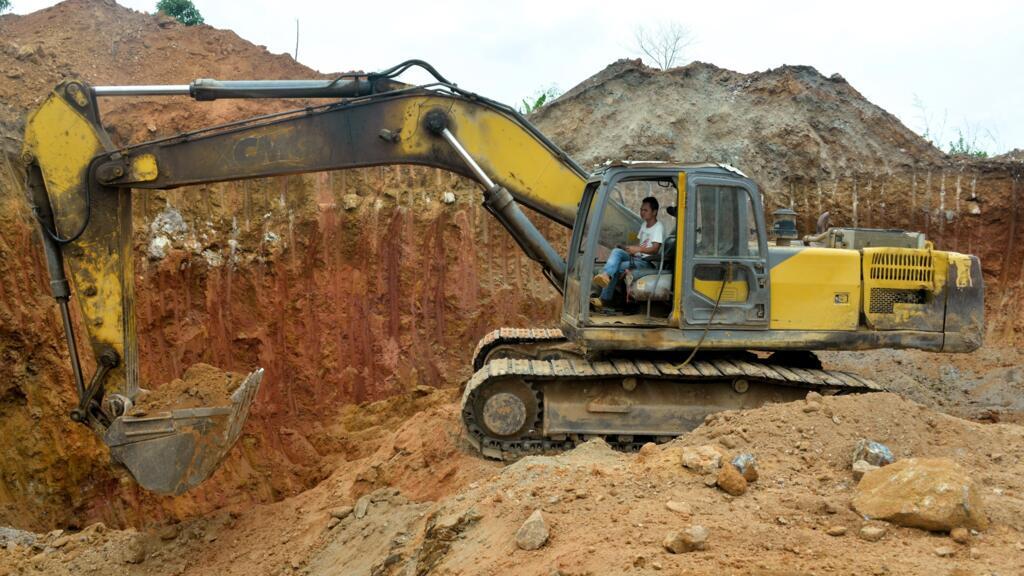
As debates intensify, policymakers in Cameroon and the DRC are under pressure to adopt more transparent practices. Strengthening collaboration between governments, civil society, and international partners could pave the way for meaningful reforms. The focus remains on ensuring that gold mining contributes to sustainable development rather than fueling corruption or financial mismanagement.