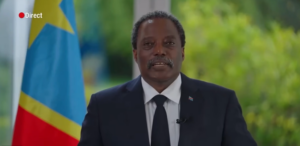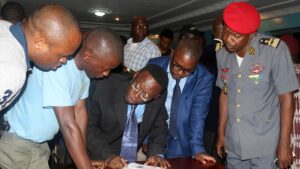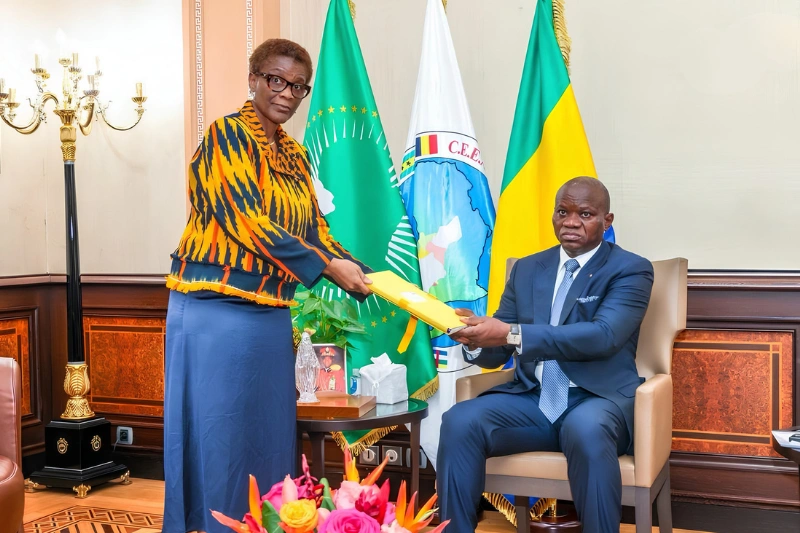
In Libreville yesterday, President Brice Clotaire Oligui Nguema was presented with the provisional outcomes of Gabon’s General Population and Housing Census (RGPL). The crucial data was delivered by Louise Pierrette Mvono, the Minister of Planning.
This extensive enumeration effort achieved an impressive 97% coverage rate. The operation itself saw significant modernization, incorporating advanced geolocation for enumerators and leveraging digital methods for data collection. Key support for this vital national undertaking came from the United Nations Population Fund (UNFPA), the World Bank, and administrative authorities across each Gabonese province.
Preliminary findings from the Gabon census results confirm the nation’s appeal, highlighting a substantial presence of foreign residents. The data also indicates a pronounced human concentration within the Estuaire province, which accounts for nearly 60% of the total population. Following Estuaire, the provinces of Haut-Ogooué and Ogooué-Maritime show the next highest population densities. These comprehensive statistics are poised to become a strategic tool, enabling the government to more effectively tailor public services to meet the actual needs of its citizens.
The implications extend deeply into the social fabric of Gabon. Immediately following the presentation, President Nguema issued a directive for the preparation of a new census specifically targeting economically and socially vulnerable Gabonese individuals. This initiative, to be executed in collaboration with the Ministry of Social Affairs and Cnamgs, aims to precisely identify the most fragile households. The ultimate goal is to prioritize social protection efforts and embed the sustainable improvement of living conditions at the core of state action.