The reputation of Russian paramilitary forces in the Sahel as an unstoppable power may be crumbling on the sands of Anéfis. The violent clashes in this strategic northern Mali town have sent shockwaves through West African diplomatic circles, raising serious questions about the viability of Moscow’s latest security strategy in the region.
Anéfis: the strategic choke point that exposed Africa Corps’ weaknesses
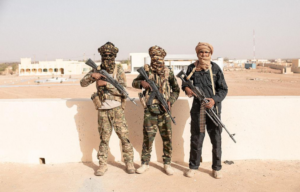
Perched along the critical road linking Gao to Kidal—a stronghold of the Tuareg rebellion—Anéfis isn’t just another dot on the map. It’s a vital logistical hub, and it became the focal point where Mali’s armed forces (FAMa) and their Russian advisors faced an operational disaster. Trapped by a hybrid force of local armed groups, including the mobile guerrilla units of the Permanent Strategic Framework (CSP-DPA) and the relentless asymmetric tactics of jihadist factions, the Africa Corps detachment suffered heavy losses. Destroyed armored vehicles, abandoned heavy equipment, and soldiers either captured or killed painted a stark contrast to the ironclad propaganda emanating from Bamako and Moscow.
Moscow’s asymmetric warfare dilemma in the Sahel
The events in Anéfis strike at the heart of Russia’s geopolitical narrative in the Sahel. By aligning with the Alliance of Sahel States (AES), Moscow promised swift, decisive efficiency—an outright rejection of decades of Western interventions like Barkhane and MINUSMA, which were widely viewed as ineffective by local populations.
Yet, the harsh realities of asymmetric warfare in the desert have exposed glaring flaws:
- Strategic gridlock: Maintaining isolated outposts in the middle of nowhere against highly mobile indigenous fighters drains resources at an alarming rate.
- Intelligence gaps: Despite advanced surveillance tools, Africa Corps consistently underestimates the resilience and coordination of rebel forces in northern Mali.
- Substitution fatigue: With commitments stretching thin across global hotspots, Russia cannot indefinitely deploy elite troops to the vast, unforgiving Sahel. Africa Corps’ manpower, though formidable, is stretched thin, struggling to play the role of fire brigade across a territory as large as Europe.
Bamako’s risky gamble under scrutiny
The setback in Anéfis has left Bamako’s transitional government in a precarious position. The entire security strategy hinges on the perceived invincibility of Russian support. When the protector stumbles into deadly ambushes, the dream of reclaiming national territory through brute force begins to unravel.
Anéfis may well mark a turning point in the Sahel crisis. It underscores a hard truth: raw power and seasoned mercenaries, no matter how disciplined, cannot resolve deep-seated political and identity-driven conflicts. For Moscow, the Sahel is no longer a cheap showcase of influence—it’s fast becoming a costly sand trap with no clear exit.