By 2030, Gabon is set to enact a profound transformation of its energy landscape. Through the release of its National Energy Pact in June 2026, Libreville formally commits to the pan-African “Mission 300” initiative. The nation’s clear objective is to position electricity as the primary driver for national sovereignty and industrial expansion. To achieve this, the government plans to elevate the country’s total installed capacity to 1,100 MW by the end of the decade, leveraging a forward-looking energy mix.
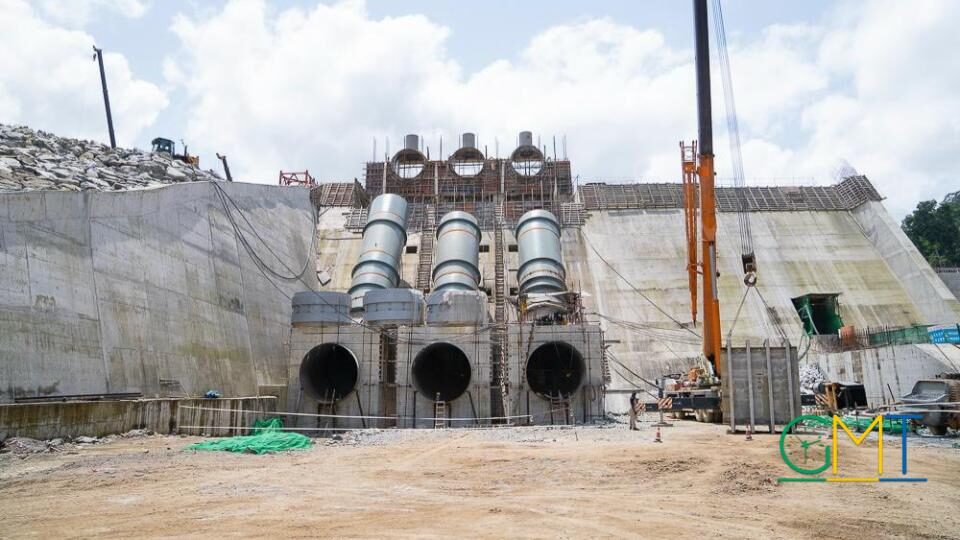
To decisively break free from its costly reliance on diesel and heavy fuel oil, authorities are championing a hybrid model that integrates natural gas with hydroelectric power. The potential is substantial, given Gabon’s estimated hydraulic resources of 5,000 to 6,000 MW, much of which remains largely untapped.
Alongside the greening of its energy production, Gabon places social equity at the core of its strategic roadmap. The plan aims to achieve an electricity access rate exceeding 95% by connecting approximately 87,500 new households, thereby directly improving the daily lives of nearly 347,000 citizens.
The financing and modernization challenge
This extensive national transition necessitates financial resources commensurate with its ambitions. For the period spanning 2026 to 2030, the total investment required is projected at 4.2 billion US dollars. Given the magnitude of this sum, the Gabonese state intends to significantly mobilize private capital through strategic partnerships. These financial projections, however, await refinement and validation upon the forthcoming publication of the Master Plan for Production, Transmission, and Distribution.
Beyond securing funding, the true test of this policy will lie in the modernization of existing infrastructure. While the installed capacity, excluding self-production, already stood at 886 MW in 2024, the efficiency of the national grid still has room for improvement. Sector operators contend with chronic technical losses, persistent financial pressures, and significant challenges related to service quality. The success of Gabon’s “Mission 300” will therefore hinge on the country’s ability to realize its major structural projects while simultaneously addressing the vulnerabilities within its distribution network.