Gabon’s new governance: building trust from Libreville to the provinces
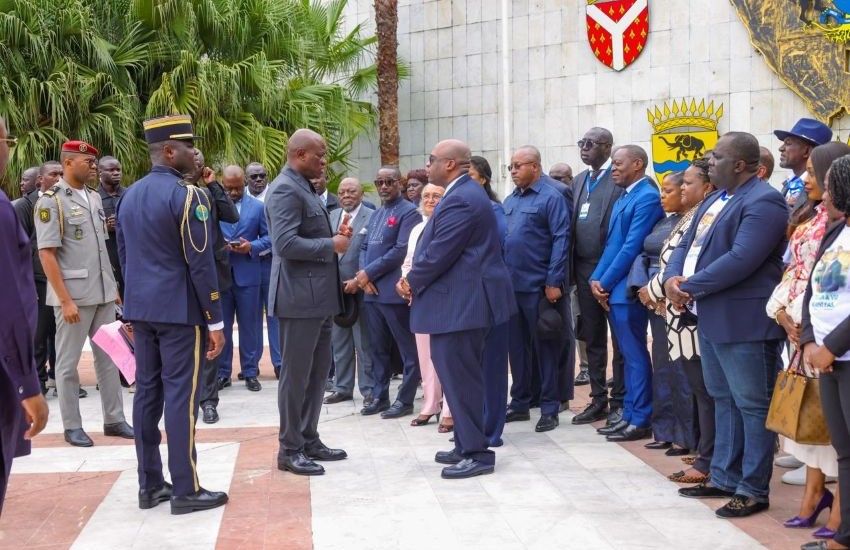
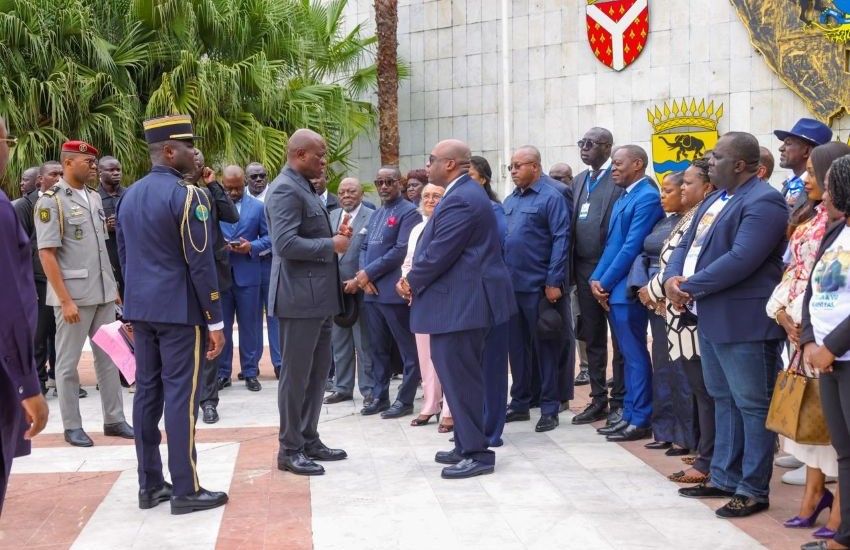
Libreville, Wednesday, July 15, 2026 — An unprecedented political initiative is unfolding in Gabon, where 150 representatives from the country’s economic and social fabric traveled from the Ogooué-Maritime province to the capital to engage directly with the President of the Republic. This unprecedented move underscores a governance strategy rooted in transparency, proximity, and evidence-based policymaking.
The delegation, composed of local leaders, entrepreneurs, and community representatives, was received by President Brice Clotaire Oligui Nguema following days of immersion in Libreville’s key development projects. The visit highlighted the capital’s accelerated transformation, a reflection of the new national trajectory initiated under the current administration.
This initiative goes far beyond a mere diplomatic gesture. It embodies a deliberate effort to bridge the gap between provincial territories and decision-making centers, fostering a deeper understanding of public policies that will shape Gabon’s future.
Leading by example
The diversity of the delegation was intentional. Mayors, municipal advisors, traditional leaders, entrepreneurs, influencers, and local opinion-makers were all invited to witness firsthand the progress of major infrastructure projects in Libreville. This strategic selection was designed to amplify the impact of their firsthand observations.
In an era where citizens increasingly trust tangible evidence over political rhetoric, this approach prioritizes visible results. By allowing local stakeholders to directly assess the progress of national initiatives, the government reinforces its commitment to accountability and transparency.
This method also addresses the persistent challenge of bridging the divide between national ambitions and the perceptions of citizens in distant provinces. In a country with vast geographical and cultural diversity, such transparency fosters a stronger sense of national unity and shared purpose.
Balancing territorial development
At the heart of this initiative lies a resolute commitment to balanced and inclusive national development. Addressing the long-standing imbalance in infrastructure and service distribution between Libreville and the provinces has been a defining challenge for Gabon’s governance.
The President emphasized that each province will move forward at its own pace, with investments tailored to local needs and potentials. Equity in development does not mean uniformity but rather adaptation to the unique realities of each region.
For Ogooué-Maritime—a province historically driven by oil and maritime activity—this vision opens new horizons. The focus will shift toward diversifying the economy through infrastructure, services, tourism, and sustainable blue economy initiatives.
Proximity as a governance tool
The delegation’s request for a direct exchange with the President was met with immediate approval, signaling a broader shift toward participatory governance. In a world where democratic institutions often struggle with growing disconnects between leaders and citizens, fostering direct dialogue has emerged as a powerful tool for legitimacy and effective policymaking.
This evolving governance model calls for greater involvement from local elected officials, economic actors, and community leaders in shaping national policies. It reflects a participatory vision where decision-making is informed by ground realities as much as by central directives.
The reception of Ogooué-Maritime’s stakeholders exemplifies a governance style that values listening, education, and concrete demonstration. In a continent where institutional distrust often hinders reform, Gabon’s emphasis on proximity and evidence-based leadership may well become a defining feature of its Fifth Republic.