Gabon’s debt audit: the key to unlocking IMF agreement
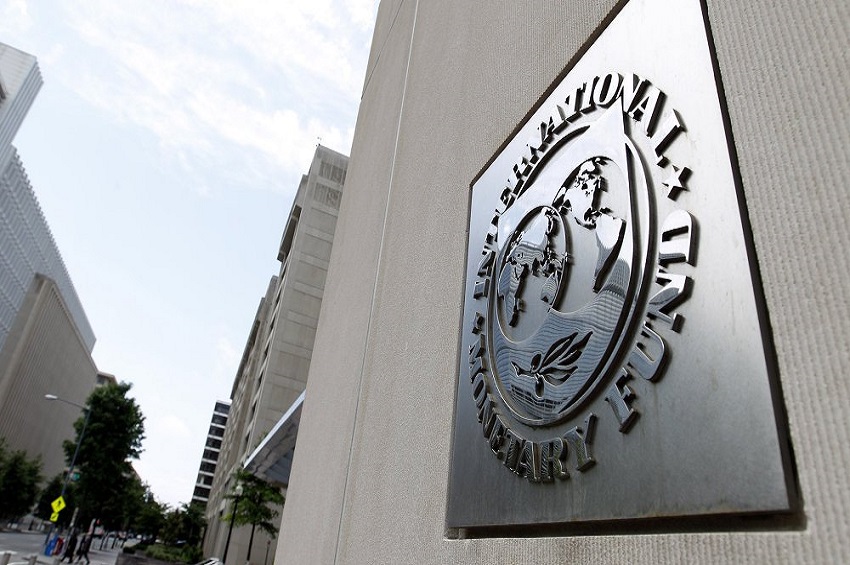
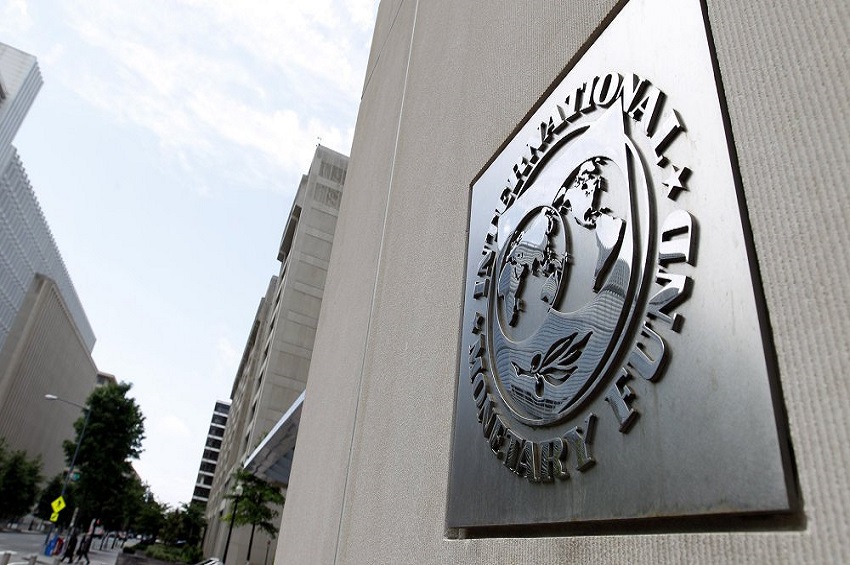
Libreville, June 4, 2026 – For months, whispers echoed through economic, diplomatic, and financial circles: a long-awaited agreement between Gabon and the International Monetary Fund (IMF) was just around the corner.
Yet despite repeated announcements, the deal never materialized. In a rare interview, President Brice Clotaire Oligui Nguema shed light on the unexpected hurdles. Beneath the surface of technical negotiations with the Bretton Woods institution lies a far more critical question: does Gabon truly grasp the extent of its public debt?
The stakes couldn’t be higher. For international investors, credit rating agencies, and global financial markets, an IMF agreement is more than financial relief—it’s a stamp of credibility, stability, and confidence in the country’s economic direction. By confirming a potential signature by the end of 2026, the Head of State validated progress on the dossier. But more importantly, he exposed decades of opaque governance that left critical financial realities in the dark.
Transparency as the foundation
The President’s most striking revelation was the discrepancy in debt figures inherited from previous administrations. Initial estimates placed Gabon’s debt at 7,500 billion CFA francs, while a separate assessment suggested a figure closer to 8,000 billion—an alarming gap that raised red flags at the highest levels of government.
Confronted with this uncertainty, President Oligui Nguema insisted on a full-scale audit before finalizing any IMF deal. His rationale was clear: Gabon must know the precise state of its finances before committing to a program that will bind the state for years. This commitment to transparency marks a rare departure from conventional African financial negotiations, but it raises a deeper question: how can a resource-rich nation struggle to produce a definitive snapshot of its debt?
The answer lies in years of fiscal mismanagement. Successive governments have faced criticism for opaque public finances, off-budget commitments, and weak oversight mechanisms. In this context, the audit isn’t just an option—it’s a necessity.
The IMF’s pragmatic response
Far from resisting, the IMF has accepted the delay, prioritizing accuracy over haste. According to the Gabonese leader, Washington’s top financial institution postponed finalizing the program to allow the audit to proceed. This concession reflects a shared understanding: both parties need clarity on Gabon’s true financial health before committing resources.
The stakes are particularly high given Gabon’s strategic role in the CEMAC region. As one of the bloc’s most influential economies, powered by oil and mining wealth, its stability resonates across Central Africa. The ongoing talks now extend beyond financing to encompass governance reforms, revenue mobilization, and fiscal discipline—core pillars of any IMF program.
Reforms ahead, but no shortcuts
A late-2026 signature would mark a milestone, but the journey doesn’t end there. IMF agreements typically demand structural adjustments that ripple through society: streamlined public spending, tax reform, improved revenue collection, subsidy overhauls, and financial administration upgrades.
The President remained tight-lipped on the specifics of the impending deal or potential funding amounts—understandable given the negotiations’ sensitive stage. Yet the real challenge transcends mere financing. Gabon is seeking to rebuild its financial credibility after years of uncertainty. For international partners, the audit could signal the dawn of a new era: one where transparency and accountability replace opacity and improvisation.
Seen through this lens, the delayed agreement isn’t a setback—it’s an investment in trust. In the world of public finance, credibility isn’t declared; it’s earned through hard numbers and unwavering commitment to the truth.