After a decade of economic stagnation below the 5% growth mark, Gabon’s President Brice Clotaire Oligui Nguema has announced a decisive break from the country’s long-standing rentier model. In a recent interview, he laid out an ambitious strategic roadmap designed to revive the nation’s economy.
Breaking free from the rentier illusion
The president’s diagnosis of Gabon’s economic lethargy is clear: “Gabon has relied on a rentier model that generates little growth, and even less inclusive growth.” He singled out the raw export of oil and manganese as a major economic flaw, stating, “Exporting crude means exporting our jobs.”
Three pillars of a new economic era
To shift course and build a robust, job-creating economy, the head of state has structured his strategy around three fundamental pillars:
- Systematic industrialisation through local processing of raw materials.
- Economic diversification, with a strong focus on agriculture and services.
- Improving the business climate to create an attractive environment for investment.
The PNCD 2026-2030: a recovery weapon
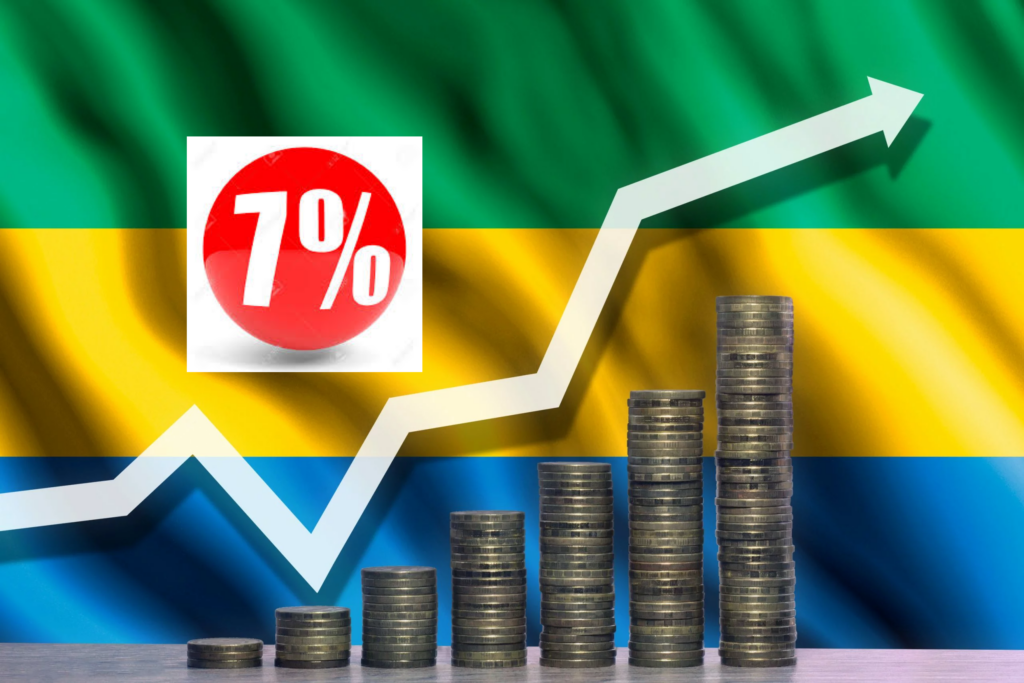
This vision is crystallised in an ambitious programme: the National Growth and Development Plan (PNCD) 2026-2030. The plan aims to propel the country’s growth rate to an unprecedented level, between 6% and 7%. It targets strategic, future-oriented sectors: manganese processing, development of poultry and cattle farming, digital expansion, and monetising Gabon’s forest wealth on carbon markets.
“Gabon has the resources. What it lacked was governance. We have restored it,” Brice Clotaire Oligui Nguema affirmed. By linking economic ambition with a return to rigorous governance, the president intends to put Gabon back among the continent’s most dynamic nations by 2030.