On Tuesday, June 23, 2026, the president of the Groupement des Entreprises du Cameroun (GECAM) painted a dire picture of the country’s economic situation, highlighting obstacles hindering development.
According to the GECAM leader, Cameroon’s growth rate dropped to 3.1% in 2025 from 3.5% in 2024—a pace he considers insufficient to meet the 2035 emergence target. By comparison, sub-Saharan Africa is projected to grow at an average of 4.5%, while the WAEMU zone could see 6.4%. The CEMAC region, where Cameroon remains the largest economy, is expected to expand by only 2.6%.
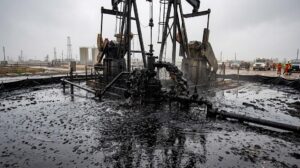
This underperformance is largely due to the collapse of the oil sector. The hydrocarbons segment shrank by 6.9% in 2025, following a sharp 9.7% decline in 2024. GECAM says this confirms that oil is no longer the main driver of the nation’s growth.
286,000 tonnes
Other sectors also paint a worrying picture. Primary sector growth fell from 3.6% to 1.7% in one year. Industrial and export agriculture went from +8.7% in 2024 to -3.2% in 2025, due to climate issues and declining exports in several value chains, Tawamba added.
Cotton is a key symbol of this decline. Output reached only 286,000 tonnes, far below the 400,000-tonne target. Export volumes dropped 24%, and the value of exports crashed 29.8%.
1.7% to 2%
“Even the strongest sectors show weaknesses,” the business leader explained. “The cocoa campaign posted a record production of 309,518 tonnes, but export volumes fell 9%, even though the value of exports rose 18% thanks to soaring global prices. Coffee shows a similar pattern: production increased from 10,562 to 11,637 tonnes, while export quantities declined 2%, offset by a 3.9% rise in revenue.”
Meanwhile, Cameroon is increasing its food dependency. Maize imports rose 4.5%, indicating ongoing challenges in achieving national food security, according to GECAM. The industrial sector is also struggling to act as a driver of economic transformation. Its growth edged up from 1.7% to 2%, while manufacturing slowed from 2.9% to 2.2%. The employers’ association attributes this to high energy costs, logistical hurdles, financing constraints, and a lack of competitiveness in the productive apparatus.