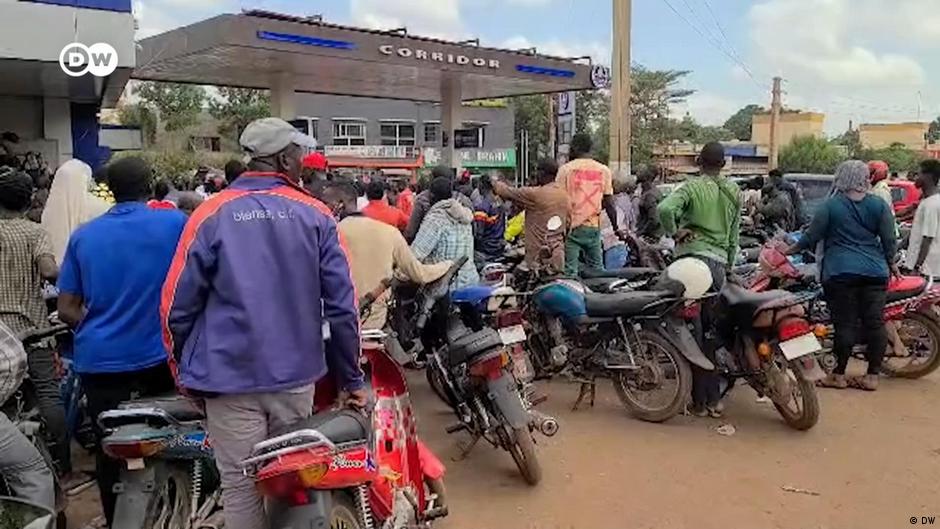
For over nine months, Ségou, a key city in central Mali, has been trapped in a relentless fuel shortage that has brought daily life and local commerce to a standstill.
The situation stems from severe supply disruptions, driven by soaring demand and persistent security threats along the routes from Bamako. With convoys of fuel tankers now escorted by the Malian Armed Forces (FAMa) only arriving two to three times monthly, the city’s reserves are perpetually on the brink of depletion.
Chronic fuel shortages disrupt essential services
Each delivery delivers a limited volume—most of which is diverted to industrial zones and the national power utility, Énergie du Mali (EDM). This leaves only a fraction for local gas stations, which are typically drained within 48 hours. Residents report persistent stockouts and warn of a growing black market where fuel is sold at exorbitant prices.
Black market thrives amid scarcity
As soon as pumps run dry, informal vendors step in, selling gasoline at rates between 2,000 and 5,000 West African CFA francs per liter—far above regulated prices. Many suspect these transactions are not isolated incidents, but a systemic exploitation of the crisis by profiteers operating with little oversight.
Local businesses and commuters bear the brunt
The shortage is crippling Ségou’s economy. Public transit—especially the ubiquitous katakatani tricycles—has seen fares double from 100 to 200 CFA francs, straining the budgets of students, teachers, and daily wage workers. Foot traffic in commercial districts has plummeted, with small businesses reporting sharp declines in revenue.
Despite intensified patrols by the FAMa to intercept unauthorized fuel transports, the situation remains unresolved. Citizens are calling for a sustainable solution to break the cycle of shortages and restore normalcy to the region.