

The International Organization of La Francophonie (OIF) is approaching a decisive turning point. On November 15 and 16, 2026, in Phnom Penh, Cambodge, the organization will convene to elect a Secretary General who will lead the institution for the next four years.
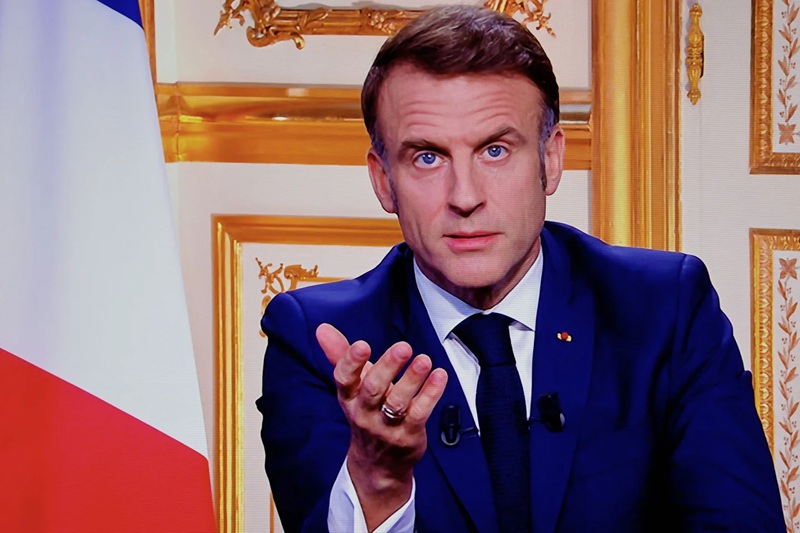
However, beneath the surface of official diplomacy, reports indicate that the French government under President Macron is clandestinely promoting Dacian Julien Ciolos, the former Prime Minister of Romania. This move is allegedly designed to replace the current Secretary General, Louise Mushikiwabo of Rwanda, at the helm of the OIF.
A facade of diplomatic support
While France appears to maintain a friendly and supportive stance toward the candidate from the République démocratique du Congo, Juliana Amato Lumumba—a former Minister of Culture and Arts—the reality on the ground seems far more complex. It appears that French authorities are actively working to build support for Ciolos among French-speaking circles in Africa and beyond.
Insiders suggest that France is navigating an uncomfortable position, caught between the interests of Rwanda and the RDC. By introducing a third candidate, they may be attempting to bypass the difficult choice between the incumbent Rwandan leadership and the Congolese challenge.
The weight of the République démocratique du Congo
The decision to place the RDC on equal footing with Rwanda in this race raises serious questions. Rwanda has already completed two terms and has notably distanced itself from the French language in recent years. In contrast, the République démocratique du Congo stands as the true heart of the Francophone world, boasting 100 million French speakers, a vast network of French-language universities, and a thriving media landscape.
If France fails to acknowledge these significant assets and instead chooses to marginalize the RDC to prevent it from leading this cultural and political space, it may be time for the Congolese government to reassess its relationship. A failure to elect Juliana Amato Lumumba due to French duplicity should prompt the RDC to take decisive action regarding its ties with France.
As the world’s leading Francophone nation, the RDC deserves a level of respect and consideration that reflects its demographic and cultural importance. The leadership of the OIF is far more than a ceremonial role; it holds the power to subtly shift the diplomatic balance between member states across Africa, Europe, and the Americas.
Managing such a strategic space requires an experienced, unifier, and highly motivated leader. Juliana Amato Lumumba fits this profile perfectly, offering the stability and vision the Francophonie needs for its future.