Former President of Niger Mohamed Bazoum Still Detained Without Due Process
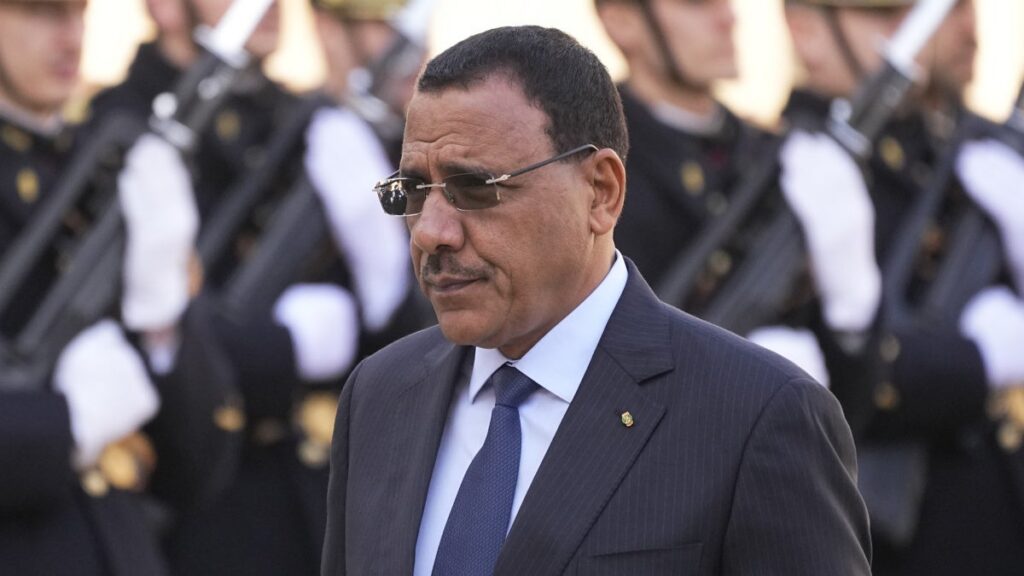
The military authorities in Niger must immediately release former President Mohamed Bazoum, who has been held without legal justification for two years since his government was overthrown in a coup, according to international observers and human rights defenders.
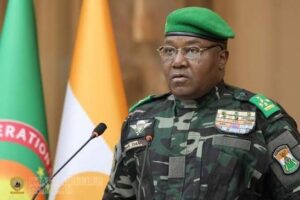
On July 26, 2023, military officers from the self-proclaimed National Council for the Safeguard of the Homeland (CNSP), led by General Abdourahamane Tiani, staged a coup that removed President Bazoum from power. Both he and his wife, Hadiza Bazoum, were arrested and remain confined at the presidential palace in Niamey, with no access to legal counsel or family visits. The deposed leader now faces imminent prosecution after the junta revoked his presidential immunity in early 2024.
International Condemnation of Arbitrary Detention
Human rights organizations and global institutions have repeatedly condemned the military regime’s actions. Human Rights Watch stated, “The Nigerien junta’s blatant disregard for the rule of law is evident in its prolonged detention of Mohamed Bazoum and his wife.” The organization emphasized that the charges against the former president—including allegations of treason and undermining national security—are politically motivated and violate international human rights standards.
In August 2023, the junta announced plans to prosecute Bazoum on accusations of high treason and attacks on Niger’s internal and external security. However, no preliminary hearings have been held, and no trial date has been set. In September 2023, Bazoum filed a complaint with the Economic Community of West African States (ECOWAS) Court of Justice, citing human rights violations. By December, the court ruled that his detention was unlawful and ordered his immediate release. Despite this decision, the junta has continued to hold him.
Legal and Political Fallout
The situation escalated further in April 2024 when Nigerien authorities initiated legal proceedings to strip Bazoum of his presidential immunity, paving the way for his prosecution. In June 2024, a Nigerien state court ruled against him in a process widely criticized for failing to meet fair trial standards. The UN Working Group on Arbitrary Detention later confirmed in February 2025 that Bazoum’s detention was arbitrary and called for his immediate release. Reed Brody, a legal advocate supporting Bazoum, described his situation as “cruel and illegal confinement without charges, trial, or contact with family or lawyers.”
The junta’s actions reflect a broader pattern of repression, including crackdowns on political opposition, peaceful dissent, and independent media. Observers warn that these measures are part of a strategy to delay a return to civilian rule and credible elections, further isolating Niger from regional democratic norms. Ilaria Allegrozzi of Human Rights Watch noted, “Each day Mohamed Bazoum remains detained pushes Niger further away from the path of democracy.”
Global Response and Unanswered Demands for Justice
Despite rulings from international courts and UN bodies demanding his release, the military junta has ignored these calls, raising concerns about the future of human rights and the rule of law in the country. The prolonged detention of Bazoum and his wife underscores the junta’s defiance of both domestic and international legal frameworks.
- Human Rights Watch and the UN Working Group on Arbitrary Detention have both classified Bazoum’s detention as unlawful.
- The ECOWAS Court of Justice ruled in December 2023 that his detention was arbitrary and ordered his release.
- The junta revoked Bazoum’s immunity in 2024, allowing for his prosecution on treason charges.
- Niger, along with Mali and Burkina Faso, formally withdrew from ECOWAS in January 2025, complicating regional diplomatic efforts.
As the international community continues to pressure the junta, the fate of Mohamed Bazoum remains a critical test for democratic governance in West Africa. His continued detention sends a troubling message about the state of human rights and the rule of law in the region.