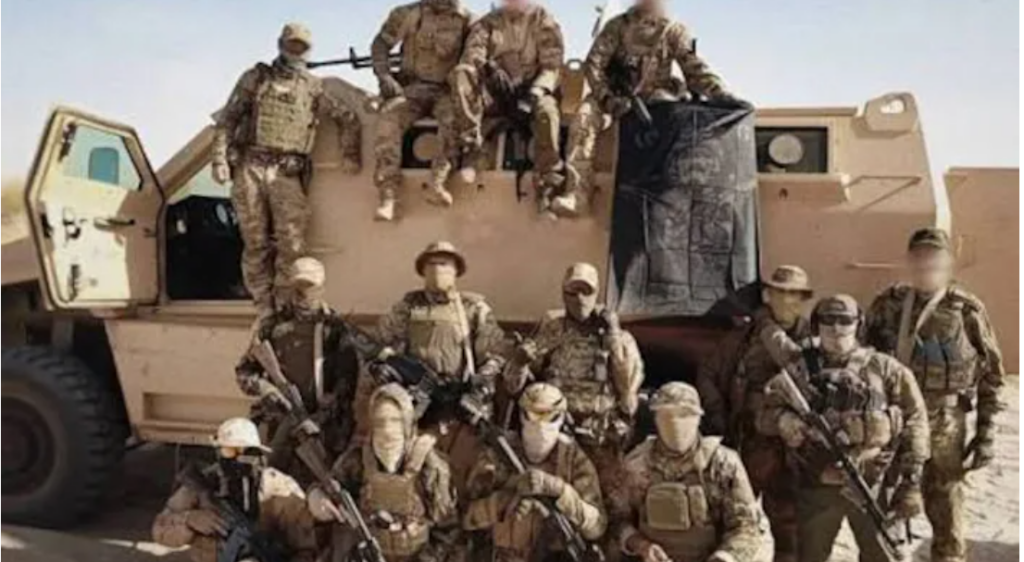
The northern reaches of Togo are increasingly under the shadow of terrorism spilling over from the Sahel, but it is the quiet presence of foreign military and paramilitary forces that is now igniting fierce debate in Lomé.
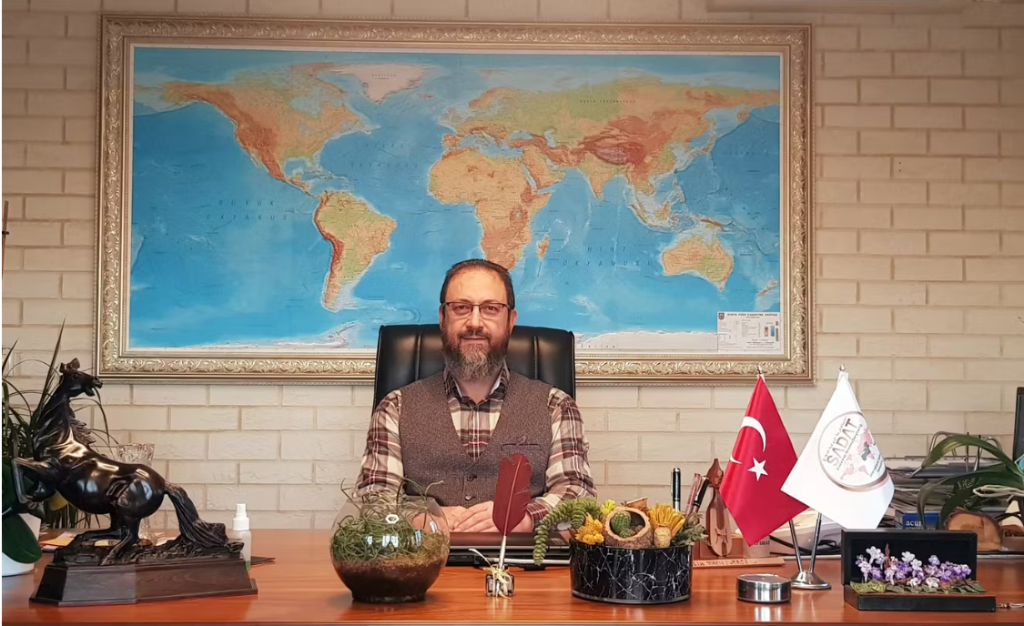
In a bold joint statement released on a recent mid-year date, a coalition of opposition parties and civil society groups has directly challenged the administration led by President Faure Gnassingbé. At the heart of the controversy lie unanswered questions about opaque security arrangements, unconfirmed reports regarding the size of the Russian-backed Africa Corps operating in the country, and undisclosed contracts with the Turkish private military firm SADAT. Concerns over national sovereignty and a lack of transparency have catapulted these issues to the forefront of public discourse.
A united front demanding transparency from the government
The political temperature in the Togolese capital is rising sharply. A newly formed alliance of opposition movements—including the historic Dynamique Monseigneur Kpodzro (DMK), the Dynamique pour la majorité du peuple (DMP), the Lumière pour le développement dans la paix (LDP) movement, and the Front « Touche pas à ma Constitution »—has broken its silence with a unified declaration.
Their central grievance centers on the deployment of foreign troops and paramilitary personnel across Togolese soil, particularly in the Savanes Region, which borders Burkina Faso. This northern zone has long been vulnerable to incursions by armed terrorist groups. The signatories argue that while security threats are real, they cannot justify a complete lack of official communication. With the government remaining tight-lipped, these civil and political organizations are demanding a transparent account of the legal status, precise objectives, and regulatory framework governing the presence of these external actors.
Africa Corps and SADAT: two controversial players under scrutiny
The opposition’s concerns focus on two prominent entities—one state-linked, the other private—that have gained prominence across the Sahel and the Gulf of Guinea.
Africa Corps, a reorganized Russian security structure active in Africa, is reportedly suspected of having deployed around 350 personnel in Togo. Additionally, the Turkish private military company SADAT, widely believed to maintain close ties with Ankara, is alleged to be supplying technical support, training, or operational guidance to local forces. No official figures or confirmations have been issued by Lomé, Moscow, or Ankara, leaving room for speculation about the true nature of these teams’ roles—whether they serve as technical advisors, intelligence specialists, or combat units engaged in active operations.
Sovereignty, legality, and financial cost under the microscope
While the opposition does not outright reject the principle of strategic partnerships to safeguard national territory, it highlights critical gaps in institutional and legal oversight that raise serious governance concerns.
The chain of command and respect for the law
A major point of contention is the chain of command under which foreign personnel operate. The coalition insists on strict guarantees that all external operatives must be formally placed under the authority of the Togolese Armed Forces (FAT) and must comply with national and international legal standards.
Protecting civil liberties
Among the most pressing fears outlined in the joint statement is the risk of foreign interference in domestic politics. The opposition insists that these foreign personnel must not be involved in public order maintenance, targeted arrests, surveillance, or intimidation of civilians and local political figures.
The public purse at stake
The financial implications are equally pressing. What is the total cost to the Togolese treasury for these security services? Without any parliamentary debate or public scrutiny on these expenditures, civic organizations are calling for greater citizen oversight over the use of public funds.
President Gnassingbé’s strategic pivot
Though the government has yet to publicly address the coalition’s demands, the recent collaboration with international partners reflects a broader diplomatic realignment pursued by the administration over several years.
Since taking office, President Faure Gnassingbé has progressively diversified Togo’s defense alliances, compensating for limitations in traditional Western partnerships in the region. This strategic shift began in 2021 with a military cooperation framework agreement with Turkey, which included the delivery of Bayraktar TB2 combat drones—now integral to border surveillance. Concurrently, strengthened ties with Russia have led to agreements on military intelligence, officer training, joint exercises, and access to key logistical infrastructure.
This evolving security posture is now formally embedded in the Togo-Sahel Strategy 2026–2028, a government roadmap aimed at deepening security cooperation with foreign partners. The stated goal remains the protection of national territory and the containment of jihadist advances toward the Atlantic coast.
Time for a national conversation?
The debate over foreign troop deployments extends far beyond technical military considerations. In a Sahelian region marked by political volatility and shifting geopolitical alliances, the demand for clarity has become essential for political stability.
For Togolese civil society and opposition groups, national security must not be planned behind closed doors. Opening a parliamentary or public debate could help ease tensions, clarify the legal basis for foreign interventions, and prevent security matters from becoming a source of domestic political friction. For now, all eyes remain on the government, as citizens await urgent clarification on these pressing issues.