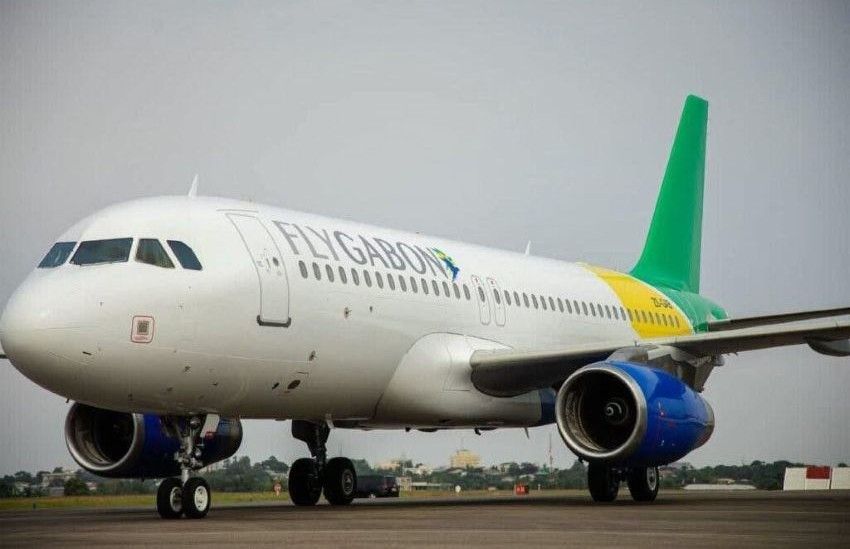
FlyGabon charts course for european skies
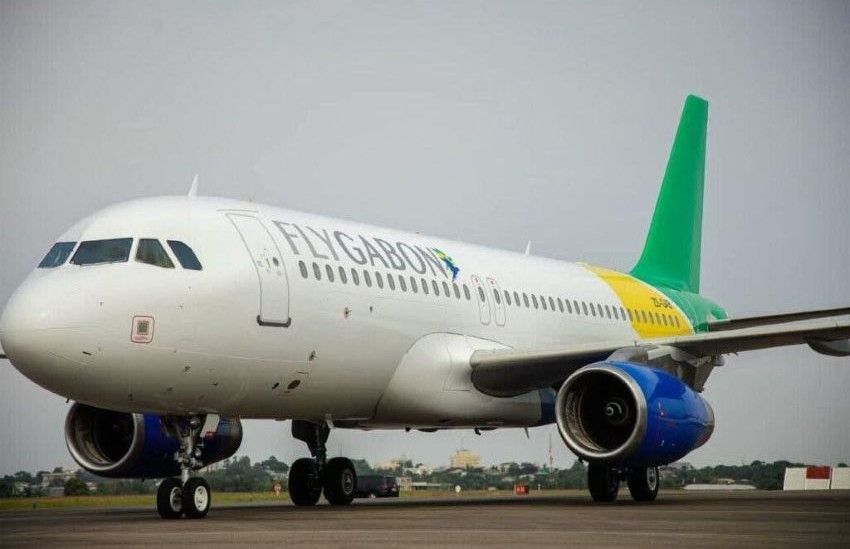
Libreville, June 19, 2026 – After decades serving primarily domestic and regional routes, Gabon’s national carrier is poised to make a historic leap onto the world stage. FlyGabon’s plans to launch direct flights to Paris and London mark more than just expanded service—they signal the beginning of a comprehensive strategy to reposition the country within global trade and mobility networks.
In today’s interconnected economy, air connectivity isn’t merely about passenger travel—it’s a barometer of economic influence and national sovereignty. By bringing these European destinations within direct reach, the Gabonese government aims to diminish reliance on foreign airlines while enhancing Libreville’s profile as a key international hub.
Europe beckons: a strategic gamble with cutting-edge aircraft
Central to this expansion is FlyGabon’s fleet modernization initiative, led by the state-owned Fly Air Gabon Holding. The carrier is evaluating additions from Boeing’s Next Generation and 737 MAX families—aircraft renowned for their efficiency and range on medium-haul routes. The 737 MAX stands out with a maximum range of 6,500 kilometers, easily covering the 5,450 km to Paris or 5,750 km to London without layovers.
For decades, travelers and cargo bound for Europe have relied on foreign carriers or multi-stop itineraries. If approved, these new routes would transform Libreville into a direct gateway, reducing travel time and costs while strengthening economic ties between Gabon and major European markets.
The commercial implications are equally significant. Gabon’s trade with Europe remains vital, encompassing oil, manganese, processed timber, and foreign investment. Enhanced air links promise to streamline these exchanges, fostering smoother business operations and deeper integration.
Smart financing for sustainable growth
Rather than committing to large upfront aircraft purchases, FlyGabon is embracing the global trend of operational leasing. This approach—now standard for two-thirds of airlines worldwide—allows carriers to access modern aircraft without massive capital outlays, preserving liquidity and operational agility.
For African airlines, leasing is especially strategic. Delivery delays from manufacturers like Boeing or Airbus can stretch beyond four or five years, making leasing the only viable path to meet immediate market demand. By adopting this model, FlyGabon ensures rapid fleet expansion aligned with profitability and sustainable growth.
Libreville’s vision: Africa’s next great aviation hub
Beyond technical specifications, FlyGabon’s European push reflects a broader national ambition: turning Libreville into a pivotal transit point between Central Africa and Europe. This goal is part of a broader modernization drive that includes port infrastructure, logistics, and economic corridors—all designed to support economic diversification.
A strong national airline is more than a symbol of sovereignty; it’s a competitive tool. It can attract investment, boost tourism, facilitate business travel, and accelerate regional integration. The challenge is substantial—European routes rank among the world’s most competitive, demanding top-tier safety, punctuality, and service standards. Yet the trajectory is clear: move beyond domestic aviation to become a reliable continental connector.
The announcement of Paris and London routes is more than a commercial milestone—it’s a declaration of intent. It signals Gabon’s emergence as a proactive player in global connectivity, where aviation serves not just as transport, but as a catalyst for economic development, international influence, and national pride. For FlyGabon, the real journey may now begin across the Atlantic.