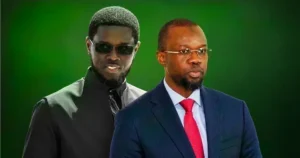

Recent political developments in Sénégal have cast a spotlight on the evolving dynamics within the opposition. Central to this shift is the growing divide between two prominent figures: Ousmane Sonko and Bassirou Diomaye Faye. Their separation—once unthinkable—could reshape the landscape of Sénégal’s political future. As this rift deepens, questions arise: could this fragmentation empower the broader opposition movement, or will it fragment their collective strength?
the origins of a widening gap
The relationship between Ousmane Sonko and Bassirou Diomaye Faye has been pivotal in shaping Sénégal’s political trajectory over recent years. Their alliance, rooted in shared ideals and mutual support, once stood as a formidable force against existing political structures. However, internal disagreements have now surfaced, revealing stark contrasts in vision and approach. While both leaders remain influential, their diverging paths raise concerns about the cohesion of their movement.
potential consequences for Sénégal’s opposition
The consequences of this split could be far-reaching. For years, Ousmane Sonko and Bassirou Diomaye Faye have been the faces of a united opposition, challenging the status quo and advocating for systemic change. If their partnership falters, the opposition may struggle to present a cohesive front. This could weaken their ability to mobilize supporters, dilute their policy proposals, and hinder their collective bargaining power with the ruling establishment.
Yet, there is another perspective to consider. A fracture within the opposition might also create new opportunities. Rival factions could emerge, each vying for dominance, which could inadvertently diversify the political landscape. Smaller groups may find room to assert their influence, potentially introducing fresh ideas and strategies. Sénégal’s political scene could become more dynamic, with multiple voices contributing to the national dialogue.
the role of grassroots movements
Grassroots organizations and civil society groups could play a decisive role in this evolving scenario. As traditional party structures face uncertainty, these movements may gain traction by filling the void left by fractured leadership. Their ability to connect with everyday citizens—particularly the youth—could determine whether the opposition can regroup and regain momentum. The question remains: will these groups step up to bridge the divide or further exacerbate the fragmentation?
public sentiment and the path forward
Public reaction to this division will be critical. Sénégal’s citizens have shown resilience and a strong desire for change, but their patience may wear thin if the opposition appears divided. The coming weeks will be telling, as political actors navigate this uncharted territory. Will they prioritize solidarity over personal ambitions, or will they allow internal rivalries to overshadow their shared goals?
The answers to these questions will shape not only the opposition’s future but also the trajectory of Sénégal itself. As the nation watches, one thing is clear: the outcome of this rift will have lasting implications for the country’s political landscape.