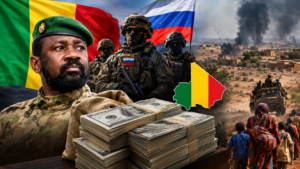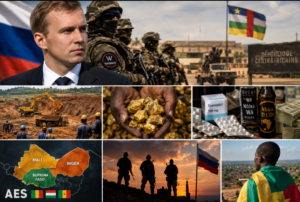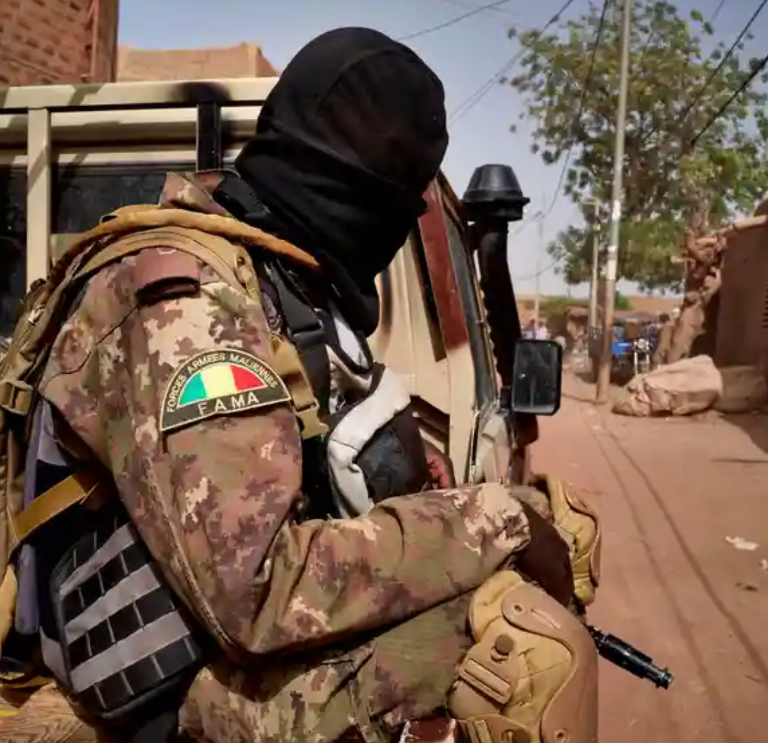
The Jama’at Nusrat al-Islam wal Muslimin (JNIM), an Al-Qaeda-affiliated armed group, has leveled serious allegations against Malian Armed Forces (FAMa) and their Russian partners in Africa Corps, accusing them of carrying out deadly attacks on Fulani civilians in the Niono area of the Ségou region.
The communiqué, released on May 31, intensifies concerns over the escalating humanitarian crisis in central Mali, where civilians are increasingly caught in the crossfire between counterterrorism operations and militant propaganda campaigns. While independent verification remains nearly impossible due to restricted access in the region, reports suggest multiple civilian casualties and widespread property destruction.
A community under siege: the plight of the Fulani in central Mali
The Fulani, a predominantly pastoral ethnic group, have long been a focal point in the conflict gripping central Mali. Historically targeted by both state security forces—who often suspect them of sympathizing with jihadist movements—and extremist groups vying for local influence, they remain one of the most vulnerable communities in the region.
By framing the victims of Niono explicitly as Fulani, JNIM appears to be exploiting deep-seated grievances of marginalization and persecution. The group positions itself as the sole defender against alleged abuses by Bamako and its foreign allies, using this narrative to bolster local support and justify recruitment efforts. In doing so, it turns civilian suffering into a strategic tool, undermining national cohesion and deepening ethnic divides.
Military operations and the shadow of controversy
From Bamako’s perspective, the mission remains clear: dismantling terrorist networks through decisive military action. The FAMa, reinforced by the tactical and aerial support of Africa Corps, have escalated offensive operations in the Ségou region to dismantle jihadist strongholds. Authorities insist that all operations adhere strictly to human rights standards, denying any deliberate targeting of civilians based on ethnicity.
Yet the methods employed—particularly those associated with foreign paramilitary units—have drawn sharp criticism from human rights organizations. Reports of collateral damage and alleged civilian casualties are routinely dismissed by Malian military leadership as “Western propaganda” or “fake news.” With independent journalists and international investigators barred from accessing conflict zones, transparency remains elusive, leaving room for competing narratives to thrive.
Breaking the cycle of violence and misinformation
The latest allegations underscore the urgent need to protect civilians and restore trust in the heart of Mali. As military pressure mounts, the risk of retaliatory violence and interethnic feuds grows, threatening to plunge the region into irreversible cycles of vengeance. For local communities, the absence of neutral observers and impartial reporting only exacerbates fear and distrust.
For online media and analysts, the challenge is twofold: to report with objectivity and precision, avoiding amplification of militant propaganda, while still exposing the harsh realities on the ground. Sustainable peace in Mali will require more than military victories—it demands justice, accountability, and the restoration of dignity for those most affected by the conflict.