State-controlled media in Burkina Faso frequently portray the nation as undergoing a transformative era under Captain Ibrahim Traoré’s leadership. However, such narratives—emphasizing a so-called «eldorado» of progress—often reflect political messaging rather than an accurate reflection of national conditions. While official discourse highlights a «popular progressive revolution,» the daily experiences of many Burkinabè remain defined by persistent insecurity, economic hardship, and a demand for tangible improvements.
Contrasting narratives: promises versus reality
Since assuming office, Ibrahim Traoré has repeatedly pledged accelerated industrialization, territorial recovery, and national renewal. Yet, for a significant portion of the population, these commitments have yet to materialize in any meaningful way. While isolated infrastructure projects exist, framing them as evidence of widespread development stretches credibility beyond reasonable limits.
The official line insists that Burkina Faso is advancing toward endogenous development and laying the groundwork for national prosperity. This assertion, however, warrants careful scrutiny. The country continues to grapple with severe security challenges, including ongoing attacks in multiple regions and mass internal displacement. Access to public services, economic constraints, and the rising cost of living further compound the hardships faced by ordinary citizens.
Humanitarian crisis deepens amidst persistent violence
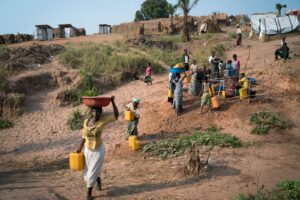
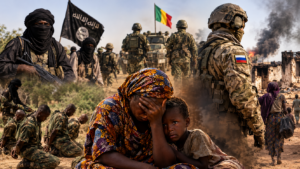
The security crisis has triggered a severe humanitarian emergency. Thousands of families have been displaced from their homes, seeking refuge in safer regions or neighboring countries in hopes of protection. These mass movements underscore the enduring insecurity gripping parts of Burkina Faso.
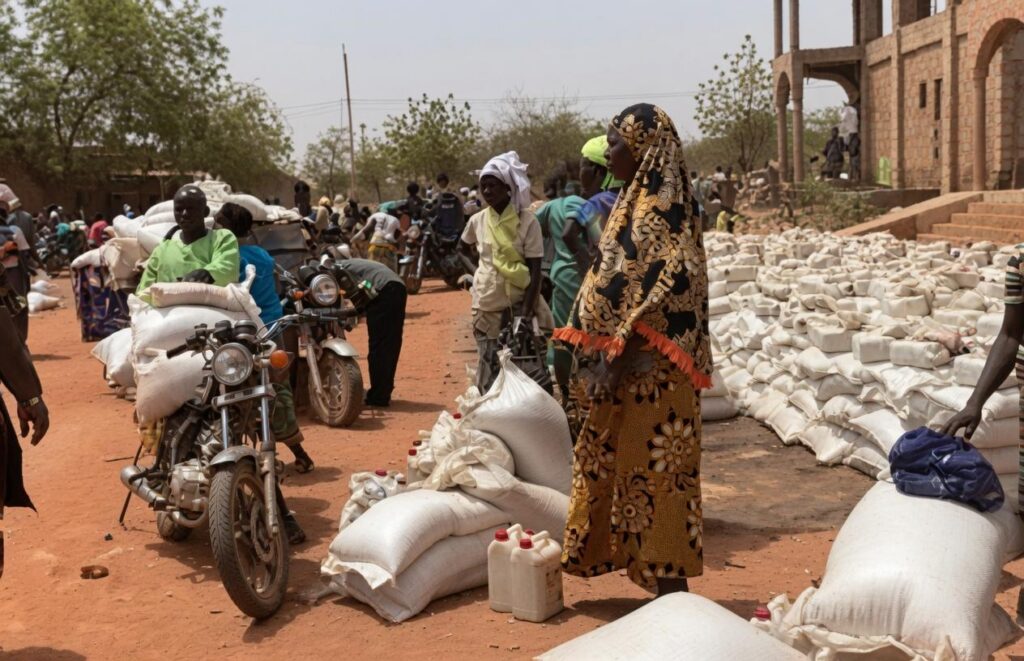
In the most affected areas, civilians face critical shortages of food, healthcare, and essential services. Disrupted agricultural cycles, supply chain breakdowns, and restricted humanitarian access have intensified food insecurity for thousands of households. In some localities, where security forces remain thinly deployed, residents endure dire conditions, often relying on sporadic humanitarian aid when it manages to reach them.
Public sentiment shifts from optimism to skepticism
For many observers, the portrayal of Burkina Faso as an «eldorado» appears less an objective assessment and more a deliberate effort to shape a favorable image of leadership. Once buoyed by widespread enthusiasm, Ibrahim Traoré’s popularity has waned as unmet expectations and unfulfilled promises take their toll. Citizens now demand concrete action: enhanced security, employment opportunities, economic stability, and efficient public services. To them, rhetoric alone no longer suffices; only tangible progress can restore trust in leadership.
The assertion that Burkina Faso has decisively moved past its challenges seems premature. True national development cannot be measured solely by political declarations or isolated infrastructure projects. Instead, it hinges on visible improvements in living standards, territorial stability, and the state’s capacity to address the needs of its people.
Sovereignty rhetoric versus governance challenges
Ibrahim Traoré’s insistence that «the current context differs from that of 1987» reflects a political narrative aimed at emphasizing the sovereignty of the Alliance of Sahel States (AES). While this stance resonates with some segments of the population, it does little to address fundamental concerns regarding governance, economic performance, and security. Analysts argue that the true test lies not in asserting political independence but in translating ambition into measurable benefits for the Burkinabè population.
Ultimately, framing Burkina Faso as an «eldorado» appears less a reflection of reality and more an exercise in strategic communication. As long as promised reforms fail to deliver perceptible improvements in daily life, such narratives risk meeting growing skepticism from a populace that prioritizes action over slogans.