The northern reaches of Mali have once again become an inferno of violence, as a massive military convoy fell victim to a devastating ambush near Tabankort. The confrontation, unfolding in the desert expanse of Tin Araban, has laid bare the escalating security collapse that authorities in Bamako are desperately trying to obscure.
At the heart of this crisis is a heavily armed column—comprising around 60 vehicles, including logistical transports, armored units, and ground troops—deployed from Gao earlier this week. Its mission: to reinforce and resupply the besieged outpost of Anéfis, a key stronghold in the Kidal region under relentless pressure from rebel factions opposed to the transitional government.
a coordinated ambush shatters military ambitions
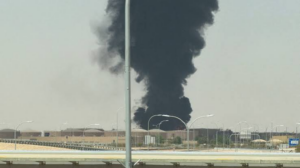
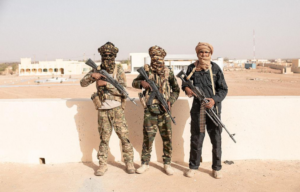
The convoy met its fate approximately 100 kilometers south of Anéfis, where a well-planned ambush by a formidable coalition of armed groups unfolded. Intelligence suggests the attackers comprised a volatile mix of Tuareg separatists from the Front de libération de l’Azawad (FLA) and jihadist fighters from the Jamaat Nusrat al-Islam wal Muslimin (JNIM), an al-Qaeda-affiliated faction. The battle raged for hours, marked by intense exchanges of heavy artillery, drone strikes, and close-quarters combat that left the desert strewn with wreckage.
a blackout shrouds the true cost of the attack
Despite the gravity of the situation, Mali’s transitional authorities have imposed a strict media blackout on the incident. Official statements remain conspicuously absent, leaving only fragmented reports from insurgent channels to hint at the scale of destruction. According to these unverified but persistent accounts, several military transport vehicles and light armored units operated by Russian instructors from Africa Corps—formerly associated with the Wagner Group—were either destroyed or captured. Partial footage circulating online also suggests the loss of reconnaissance drones and significant casualties on both sides.
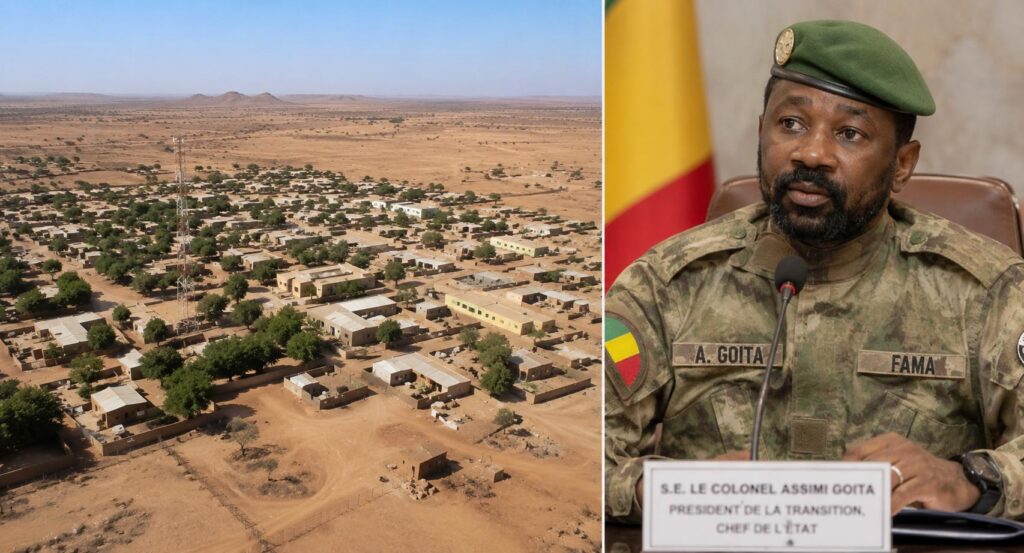
The deliberate suppression of information is no mere oversight. It reflects a calculated effort to conceal the stark reality of Mali’s deteriorating security situation from the citizens of Bamako. By refusing to acknowledge the severity of the losses or the intensity of the fighting, the transitional government risks fostering a dangerous disconnect between official narratives and ground truth.
anéfis: the linchpin of northern strategy
The stakes of this confrontation extend far beyond tactical setbacks. The ability of Bamako to maintain and protect its supply routes between Gao and Kidal is pivotal to its long-term hold on the north. If the ambush succeeds in cutting off reinforcements to Anéfis, the garrison could face isolation, potentially allowing the coalition of northern armed groups to launch a sweeping counteroffensive. Such a scenario would further erode the government’s already fragile control over the region, exposing the hollowness of its claims of a steady and invincible military advance.
The silence from Bamako speaks volumes. In a climate where truth is increasingly weaponized, the absence of transparency only deepens the crisis—both on the battlefield and in the hearts of a nation desperate for stability.