Military cooperation with Moscow yields little security progress in Sahel
The Alliance of Sahel States (AES) continues to bank on exclusive military cooperation with Russia, positioning the alliance as a path to regained sovereignty and a break from former Western partners. Yet, the harsh reality remains unchanged: violence persists, casualties mount, and civilians bear the heaviest burden.
A security promise yet to materialize
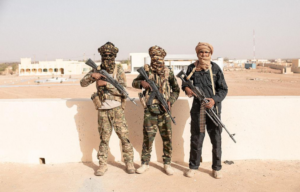
The central justification for this strategic shift was clear—abandoning Western allies would accelerate progress against armed groups. Years later, the outcome tells a different story. Despite new Russian military equipment, drones, arms shipments, and advisory support, terrorist attacks continue unabated across Mali, Burkina Faso, and Niger. Military outposts are frequently overrun, villages live under constant threat, and displacement figures continue to rise.
Data from the Armed Conflict Location & Event Data Project (ACLED) reveals a grim toll: in 2025 alone, over 10,000 people were killed in political violence across the three countries, confirming the Sahel as one of the world’s most volatile conflict zones.
Humanitarian fallout deepens as insecurity spreads
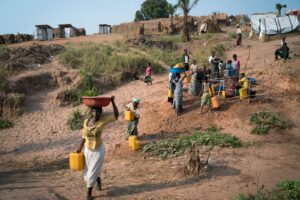
The crisis has evolved into a full-blown humanitarian emergency. According to UNHCR estimates, more than five million people have been forcibly displaced or affected by population movements across the Sahel, a direct consequence of relentless insecurity. Schools shutter en masse, depriving a generation of education, while healthcare access dwindles in the most embattled areas.
Each new attack triggers fresh waves of displacement, abandoned communities, and crippled local economies, leaving long-term scars on the region’s social fabric.
The growing financial strain of prolonged conflict
The war exacts a steep economic cost. Military budgets swell, arms purchases surge, and security spending consumes an ever-larger share of public funds. Meanwhile, critical sectors—healthcare, education, agriculture, and infrastructure—remain critically underfunded. As the conflict drags on, governments face an impossible choice: sustain military operations or invest in long-term stability.
From partnership to dependence
This exclusive military alliance carries another risk: deepening dependence. When security gains fail to materialize, authorities inevitably demand more support—more equipment, more troops, more cooperation. Each escalation in violence only reinforces the perceived indispensability of Russia’s role in counterterrorism efforts.
This raises a pressing question: Can a strategy that relies increasingly on foreign assistance truly be framed as a return to sovereignty?
Moscow’s strategic gains amid ongoing strife
While security remains elusive, Russia stands to gain significantly. Each new military agreement strengthens its diplomatic foothold in Africa. Every shipment of arms reinforces its strategic presence. Each security partnership expands its network of alliances across a region rich in natural resources, from gold to uranium.
Beyond the military sphere, Moscow is also consolidating political, economic, and informational influence, positioning the Sahel as a cornerstone of its African strategy.
A political win, not a military one?
The juntas’ original goal was swift security restoration. Yet, years into their exclusive partnership with Russia, humanitarian indicators remain dire, attacks continue unabated, and civilians live under perpetual threat.
This does not imply that cooperation with Russia alone is responsible for the crisis. The Sahel conflict is rooted in deep-seated political, economic, and communal tensions, compounded by regional instability.
Still, a critical question lingers: If this alliance was touted as the definitive solution to terrorism, why do civilian casualties and mass displacements persist at such alarming levels?
As violence endures, a stark truth emerges: the people of the Sahel are paying the highest price. Families bury their loved ones, villages empty out, and millions are forced to flee—all while Russia steadily strengthens its strategic influence in the region.
The paradox is unmistakable: the deeper the conflict sinks, the more indispensable Moscow becomes to military regimes, even as tangible security benefits for civilians remain largely unproven.