Burkina Faso’s egg price ceiling: a flawed policy that crushes entrepreneurship
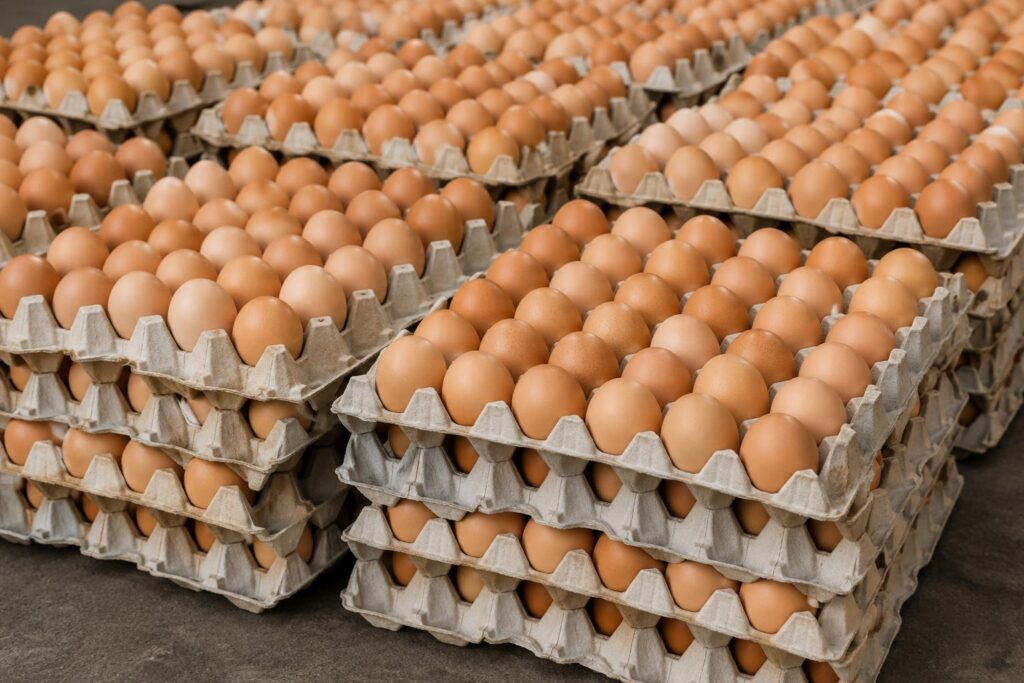
Producers in Burkina Faso’s poultry sector were blindsided by a recent government directive that slashed the retail price of eggs to 100 F CFA per unit. The joint announcement from the Ministry of Trade and the Ministry of Animal Resources also set wholesale prices at 2,600 F CFA per tray for distributors and 2,750 F CFA for retailers. While framed as a measure to shield household budgets, the move effectively throttles business freedom and threatens the viability of an already strained industry.
The illusion of price control versus soaring input costs
Artificially freezing the price of a finished product while ignoring the spiraling cost of raw materials creates an unsustainable equation. Poultry farming relies heavily on feed—corn, soybean and cottonseed meals, minerals—which has seen prices surge in recent months due to inflation, transport expenses and supply bottlenecks. By capping the egg price without subsidizing feed production, the government has stripped producers of their ability to cover costs, pushing many toward zero-profit margins or outright losses.
Government interference erodes business freedom
At its core, entrepreneurship thrives on supply and demand dynamics and the right of business owners to price goods based on operational realities. When authorities impose arbitrary price ceilings, they don’t regulate; they asphyxiate. Why would an investor risk millions in infrastructure, loans and local labor if the state reserves the power to cap earnings at levels divorced from actual expenses?
Unintended consequences: shortages and black markets
History shows that price controls often backfire spectacularly. Without viable margins, the poultry sector faces immediate risks:
- Small-farm collapses: Independent producers, lacking the resilience of large industrial farms, may shut down, eliminating thousands of jobs.
- Production cuts: To avoid losses, farmers will likely reduce flock sizes, shrinking supply.
- Parallel markets: As official stocks dwindle, eggs will reappear—at far higher prices—on unregulated markets, further hurting consumers.
A smarter path to affordable eggs
Ensuring egg affordability is commendable, but not at the expense of those who fuel Burkina Faso’s food security. The solution lies upstream: subsidize feed production, waive taxes on poultry inputs or ease credit access for farmers. Capping egg prices while feed costs skyrocket is economic folly—a dangerous signal to the private sector that entrepreneurship hinges on bureaucratic whims rather than market realities. To rescue the poultry industry and safeguard food sovereignty, the state must lift price controls and invest in production.