Global health authorities have raised urgent concerns about the Ebola outbreak in the Democratic Republic of Congo. Two months after the World Health Organization declared the epidemic, official data from July 15 reveals over 2,000 confirmed cases and 796 fatalities. Yet, specialists warn the actual number of infections may be two to four times higher than reported.
What factors contribute to this significant discrepancy? Why does this outbreak remain so challenging to control? A groundbreaking development this week in Bunia—a first-ever clinical trial for post-exposure prophylaxis—could potentially shift the trajectory of the crisis. Could this initiative help curb the spread and save lives?
Underreported figures and hidden risks
Health officials emphasize that the underreported case count is not merely a statistical issue—it reflects real-world consequences. Remote communities, limited healthcare access, and widespread mistrust of health interventions hinder accurate tracking and response efforts. Without knowing the true scale of the outbreak, containment strategies become less effective.
The WHO has stressed that the disparity between reported and actual cases could indicate widespread undetected transmission. This gap raises critical questions: Are communities hiding infections due to stigma? Are health workers missing cases in areas with poor surveillance? Or are asymptomatic carriers silently spreading the virus?
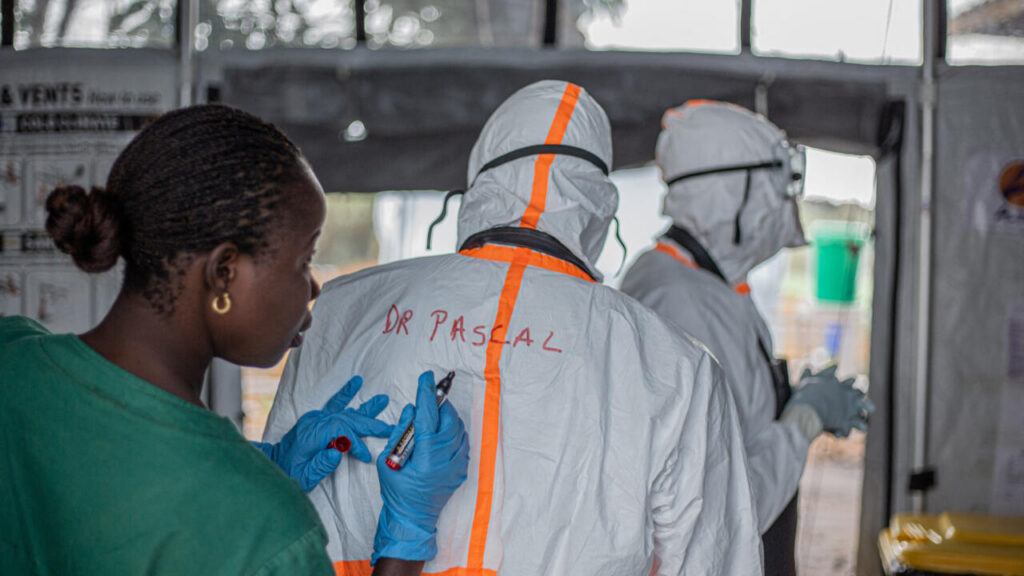
In Bunia, where the trial is being launched, local health teams are already overwhelmed. The introduction of a post-exposure prophylaxis trial—a preventive treatment given to individuals after potential exposure—marks a pivotal moment in the fight against Ebola. Could this approach, if successful, become a model for future outbreaks?
Challenges in containment and the path forward
The epidemic’s persistence is fueled by multiple factors:
- Geographical hurdles: The Ituri province, where Bunia is located, has dense forests and scattered settlements, making disease tracking and patient isolation extremely difficult.
- Security threats: Ongoing conflicts and community resistance complicate safe access for health workers.
- Resource limitations: Underfunded health systems struggle with inadequate medical supplies, trained personnel, and public health infrastructure.
While vaccination campaigns have helped in previous outbreaks, this one’s scale and hidden transmission chains demand innovative solutions. The new trial aims to test whether a post-exposure vaccine can prevent infection in high-risk individuals, such as healthcare workers or family members of confirmed cases.
Could this trial change the game?
If proven effective, post-exposure prophylaxis could offer a crucial second line of defense. Unlike preventive vaccines, which require preemptive administration, this method would target individuals already exposed—potentially stopping the virus before symptoms appear. This could be particularly vital in settings where tracking every contact is nearly impossible.
Yet, challenges remain. The trial’s success depends on rapid identification of exposed individuals, community acceptance, and logistical feasibility. Time is of the essence. With each undetected case, the virus gains a foothold to spread unchecked.
The people of DR Congo are once again at the center of a public health battle. The question now is whether this new approach, combined with intensified surveillance and community engagement, can finally turn the tide.