eastern drc: humanitarian law violations continue amidst escalating conflict
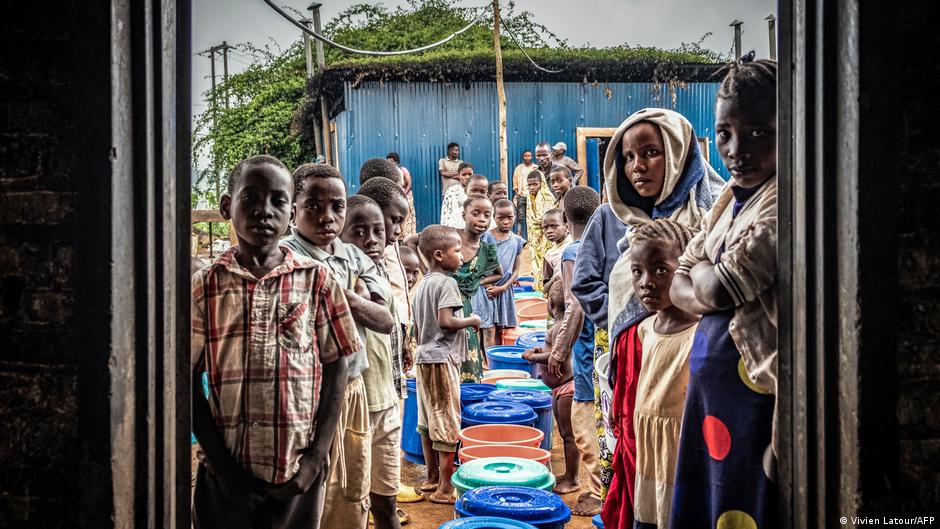
Across the Democratic Republic of Congo, specifically in its eastern conflict zones, international humanitarian law (IHL) continues to be severely undermined. This persistent disregard for established rules of war occurs despite pledges made by national authorities and their international partners.
With an increasing number of armed groups operating and a surge in attacks against civilians, the International Committee of the Red Cross (ICRC) is urgently appealing for greater awareness and more rigorous enforcement of these critical humanitarian principles. To address this pressing issue, the ICRC recently hosted a conference in Kinshasa, underscoring the vital need for immediate action.
when the laws of war fail to protect
In these volatile conflict areas, international humanitarian law remains largely unrecognized, and even when understood, its tenets are frequently ignored. This perilous situation leaves civilian populations even more exposed and entrapped in the ongoing clashes between various warring factions.
Human rights activist Julienne Lusenge highlights the devastating scale of gender-based violence, noting, “Sexual violence cases number in the millions. Every minute, women, girls, and children — and certainly some men — fall victim to these sexual assaults.” Lusenge emphasizes that women and girls bear the heaviest burden of these atrocities and calls for robust sanctions against those who perpetrate sexual violence. She expresses frustration with the lack of international accountability, stating, “Unfortunately, at the international level, we have never seen a single case brought to justice. It is imperative that sexual violence crimes are sanctioned internationally.“
trials to deter and punish abuses
Lusenge further stresses the necessity of strengthening the capabilities of security forces and intensifying efforts against armed groups to better safeguard civilians. Meanwhile, the military justice system maintains that it actively prosecutes military personnel accused of abuses. General Jean-Paul Tshayikolo, a military magistrate at the High Military Court, emphasizes that these trials serve not only to punish but also to deter future misconduct and educate military members.
General Tshayikolo explains, “There are good elements as well as bad elements. Of course, the military establishment’s wish is to have good elements. But we will never achieve zero impunity. As far as military justice is concerned, when a soldier is tried, the verdict rendered serves to educate other individuals subject to military jurisdiction. Military justice has consistently acted to impose sanctions. The statistics are there to prove it.“
conflicts that defy humanitarian norms
More than 200 armed groups are currently active across eastern DRC, primarily concentrated in the provinces of North Kivu, South Kivu, Ituri, and to a lesser extent, Tanganyika.
However, the fluid and constantly shifting alliances among these groups make it exceedingly difficult to identify the specific actors responsible for violations of international humanitarian law. This severe fragmentation also impedes effective dialogue, oversight mechanisms, and the imposition of sanctions.
Compounding these challenges, international humanitarian law mandates a clear distinction between civilians and combatants, a reality that is frequently blurred on the ground. These complex factors collectively complicate judicial pursuits and regrettably continue to foster an environment where impunity thrives.