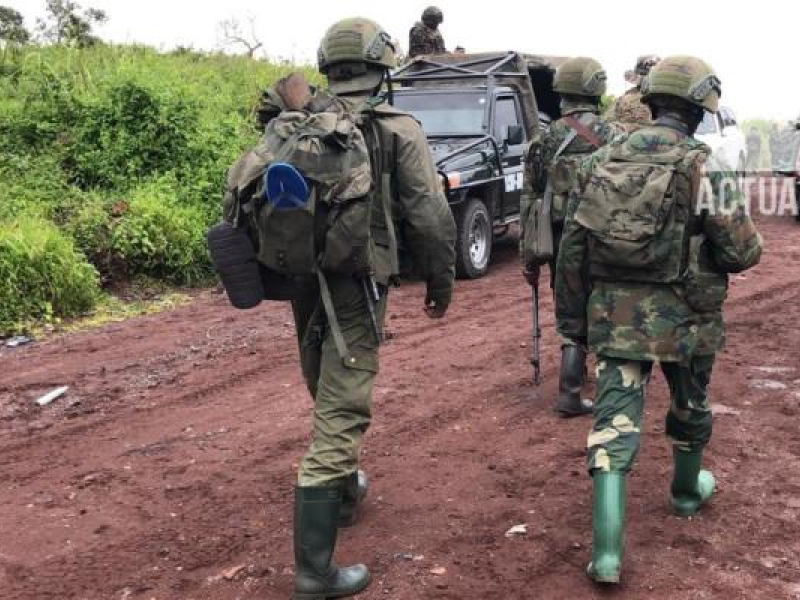
eastern DRC conflict: military shortcomings undermine diplomatic gains, analyst warns
- Security
In a live analysis session hosted by Stanis Bujakera Tshiamala on Monday, political analyst Christian Moleka delivered a sobering assessment of the Democratic Republic of Congo’s dual strategy against the insurgency ravaging its eastern provinces. While Kinshasa has allocated a substantial $4.5 billion military budget between 2022 and 2025 under its military programming law, the results have failed to meet expectations on the ground.
The FARDC (Armed Forces of the DRC) has proven unable to regain the upper hand against the AFC/M23 coalition since the fall of Bunagana in 2022. Analyst Moleka acknowledged certain diplomatic victories—including European sanctions against Rwanda, a shifting stance in Washington, and a unanimous UN Security Council resolution. However, he emphasized a persistent disconnect between these achievements and the harsh realities at the frontline.
Citing the latest UN Group of Experts report, Moleka highlighted that the M23 has expanded its territorial control by 35% since the Doha agreements. “These are tools that have delivered only partial results,” he remarked. When pressed to identify the primary source of the conflict’s stagnation, the analyst delivered a blunt verdict: “I would say the military bears greater responsibility.”
He drew a revealing analogy, comparing diplomacy and warfare to a delicate dance: “You cannot maintain a diplomatic position without a military component to back it up.” For Moleka, the international advances risk backfiring unless accompanied by a stronger military position on the ground.
The analyst framed the crisis within a decades-long “war of attrition”—a conflict now spanning three decades. In such a struggle, durability trumps intensity, he argued. This challenge, he stressed, weighs equally on both the Congolese diplomatic corps and its armed forces.