Nigerien officials are cautiously optimistic about the incoming administration in Benin. With Romuald Wadagni set to assume office as Benin’s next president, Foreign Minister Bakary Yaou Sangaré has signaled a potential thaw in relations between Niamey and Cotonou after years of diplomatic strain.
Speaking to the national broadcaster RTN, the Nigerien diplomat acknowledged the current lack of formal dialogue with Benin’s transitioning government but expressed hope for a renewed phase of cooperation. « We would be very pleased if the new Beninese government takes the initiative to rebuild trust, » he stated, emphasizing the need for mutual goodwill gestures.
deepening rift in bilateral relations
The diplomatic rupture between Benin and Niger escalated sharply following the coup d’état in July 2023, which installed General Abdourahamane Tiani as Niger’s leader. Since then, the two countries have seen their ties deteriorate, culminating in the closure of their shared land border—a move that has severely disrupted trade flows and economic exchanges.
The breakdown reached another low in January 2026, when both nations expelled each other’s diplomats and Benin suspended operations at its embassy in Niamey. Accusations and counter-accusations have flown, with Niger alleging Benin harbors regime opponents, a claim Cotonou firmly denies.
economic stakes fueling conflict
Beyond political disagreements, the dispute centers on critical economic interests, most notably the Wapco oil pipeline—a vital conduit for Niger’s crude oil exports via Benin’s Sèmè-Kpodji terminal. The border closure continues to inflict hardship on businesses and communities along the Niamey-Cotonou corridor, underscoring the human and economic toll of the impasse.
Wadagni’s presidency faces early diplomatic test
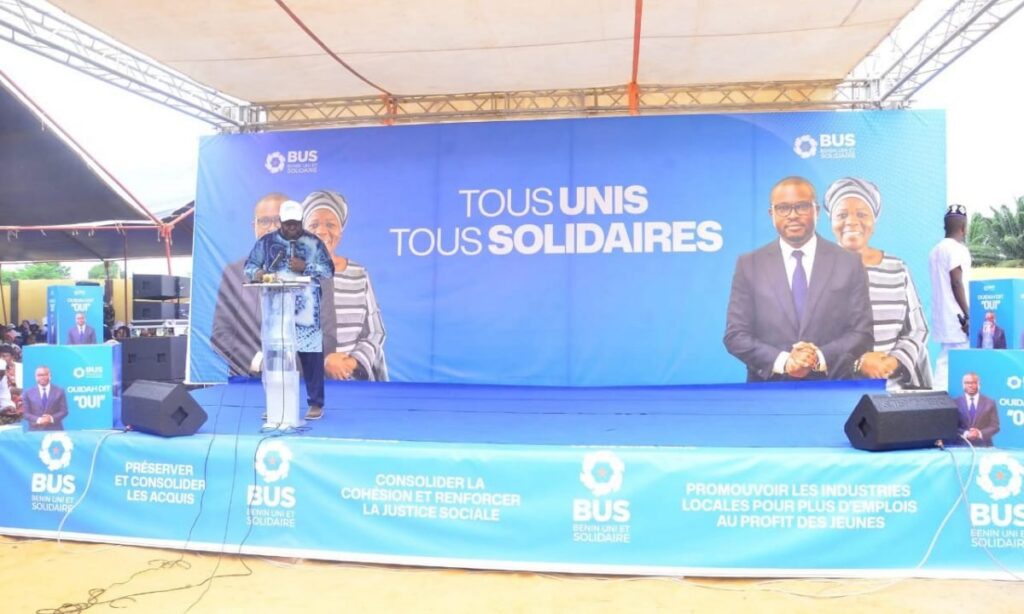
Romuald Wadagni’s victory in the April 12, 2026 election and his scheduled inauguration on May 24 present an opportunity to reset relations. In Niamey, statements from Bakary Yaou Sangaré are viewed as a conditional gesture—one that hinges on tangible steps from Benin’s incoming leadership.
Earlier attempts at mediation, including a 2025 tripartite commission involving former Beninese heads of state, failed to yield progress. For Wadagni, restoring ties with Niger is likely to top his diplomatic agenda, with broader implications for regional stability amid mounting Sahel security challenges.
A thaw in relations could not only revive sub-regional trade but also foster stronger security cooperation—a pressing need in a volatile Sahelian landscape.