Dengue outbreak in Mali: what travelers and residents need to know
Mali is currently facing a dengue fever outbreak, a mosquito-borne illness that has recently been confirmed in several regions. Health authorities are urging heightened vigilance as the situation develops.
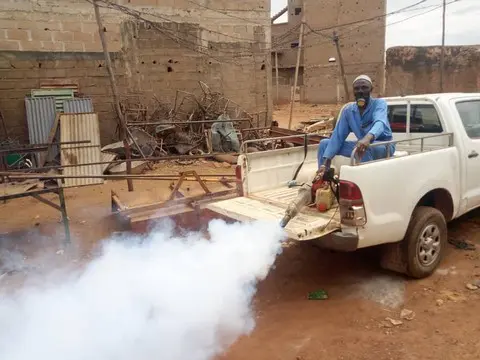
Health officials in Mali have raised the alarm about the spread of dengue fever, a potentially debilitating disease transmitted through mosquito bites. While often mistaken for malaria due to overlapping symptoms, dengue has now been officially identified in the country.
Twelve confirmed cases have been documented in Bamako and surrounding districts like Kalaban Coro and Koulikoro. The Mali Ministry of Health reports that most affected individuals are adults and men, according to Kalif Keita, Deputy Director General of Public Health and Hygiene.
Dengue in Mali: not a new threat
This isn’t the first time Mali has grappled with dengue. The disease was first detected in 2008 and has resurfaced periodically—in 2017, 2019, and again in early 2025. The Burkina Faso outbreak earlier this year prompted Malian authorities to bolster surveillance efforts. However, limited diagnostic resources and symptom overlap with malaria complicate tracking and reporting across Africa.
How to stay protected
With cases confirmed locally, health experts stress the importance of preventive measures for both residents and visitors. The World Health Organization recommends:
- Using insect repellent containing DEET or picaridin
- Wearing long-sleeved clothing during dawn and dusk when mosquitoes are most active
- Installing window screens and using mosquito nets
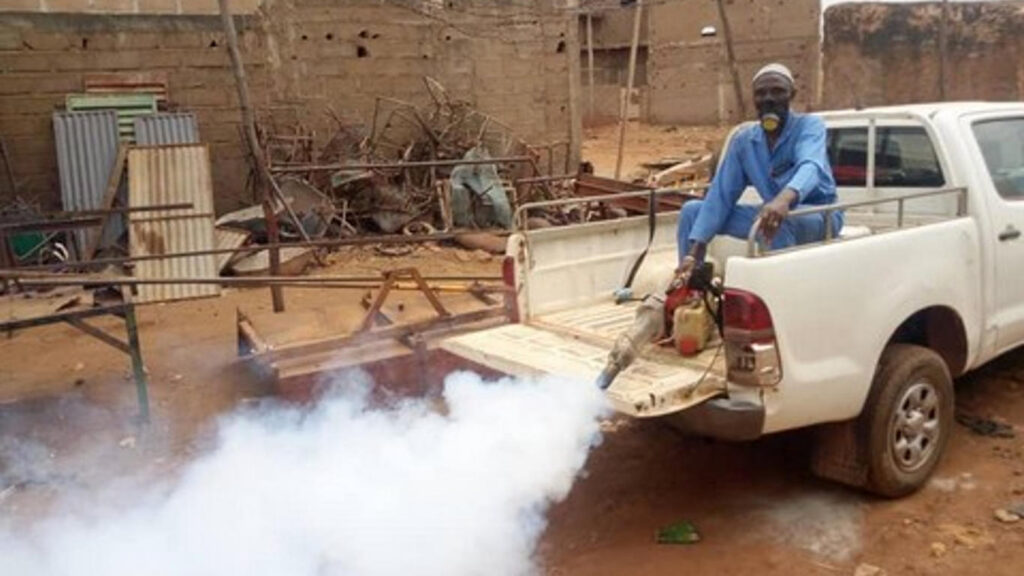
- Eliminating standing water where mosquitoes breed
The current outbreak underscores the need for sustained vigilance. Whether you’re in Mali for work, travel, or residence, taking these precautions can significantly reduce your risk of infection.