The political landscape in Africa today presents a stark contrast, with democratic progress in some nations counterbalanced by concerning setbacks in others. While certain countries grapple with authoritarian shifts and political restrictions, citizens across the continent continue to assert their demand for transparent governance and accountable leadership.
Democratic setbacks in the Sahel
Several nations in the Sahel region—particularly Mali, Burkina Faso, and Niger—have witnessed a concerning trend toward military-led governance. Constitutional changes that extend presidential terms, alongside crackdowns on opposition figures, independent media, and civil society organizations, have significantly eroded democratic norms. Recent elections, when held, often face allegations of irregularities, further undermining public trust in electoral processes.
Key challenges to democracy
- Prolonged retention of power through constitutional amendments and weakened term limits.
- Delayed or disputed elections, including postponements under questionable conditions.
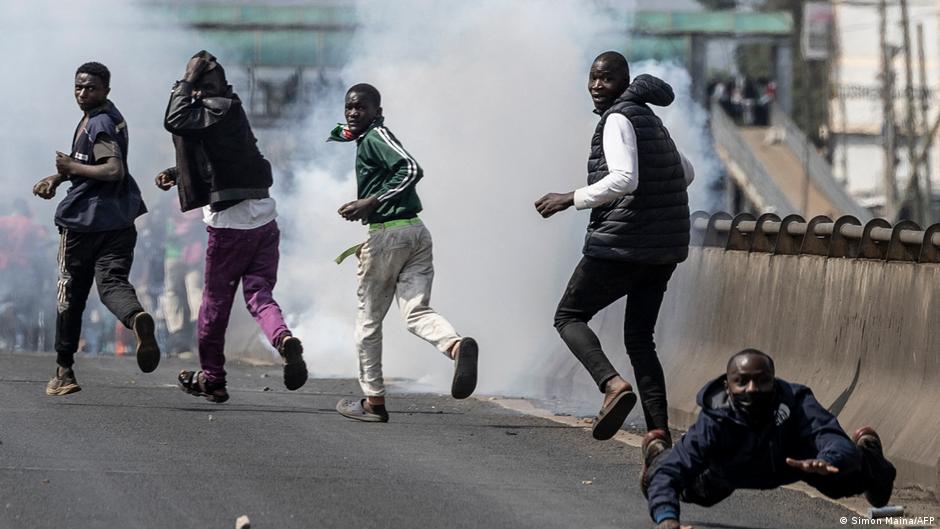
- Restrictions on political dissent, media freedom, and civic engagement.
- Erosion of judicial and electoral independence, raising concerns about fairness and impartiality.
These developments have prompted international observers to warn that the region’s democratic backsliding could have long-term consequences for stability and development.
Signs of democratic resilience
Despite these challenges, pockets of democratic progress persist across Africa. Countries such as Senegal, Cape Verde, Botswana, the Seychelles, and Ghana continue to demonstrate strong records of peaceful transitions of power. Recent elections in these nations have shown that voters remain capable of holding governments accountable at the ballot box.
Public opinion surveys, including those by Afrobarometer, reveal that Africans overwhelmingly support democratic principles. Citizens are increasingly vocal in their calls for greater transparency, reduced corruption, and improved governance—demonstrating that the drive for democracy remains deeply rooted in the continent’s social fabric.
The driving force of Africa’s youth
The continent’s young population is playing a pivotal role in shaping its democratic future. Youth-led movements are advocating for:
- Fair and credible elections, free from manipulation or interference.
- Stronger anti-corruption measures and greater accountability from leaders.
- Economic opportunities and social reforms that address unemployment and inequality.
- Inclusive governance that reflects the aspirations of all citizens.
These demands reflect a broader shift in African politics, where the youth are no longer passive observers but active participants in shaping the continent’s trajectory.
Critical priorities for the coming years
To reverse democratic erosion and strengthen governance, African nations must address several pressing issues:
- Restoring constitutional order in countries under military rule.
- Ensuring the autonomy of electoral and judicial bodies.
- Upholding term limits and preventing indefinite leadership.
- Protecting fundamental freedoms, including press freedom and the right to dissent.
- Addressing socio-economic disparities, particularly among young people.
The path forward will require sustained commitment from governments, civil society, and citizens alike to preserve and expand democratic gains across the continent.