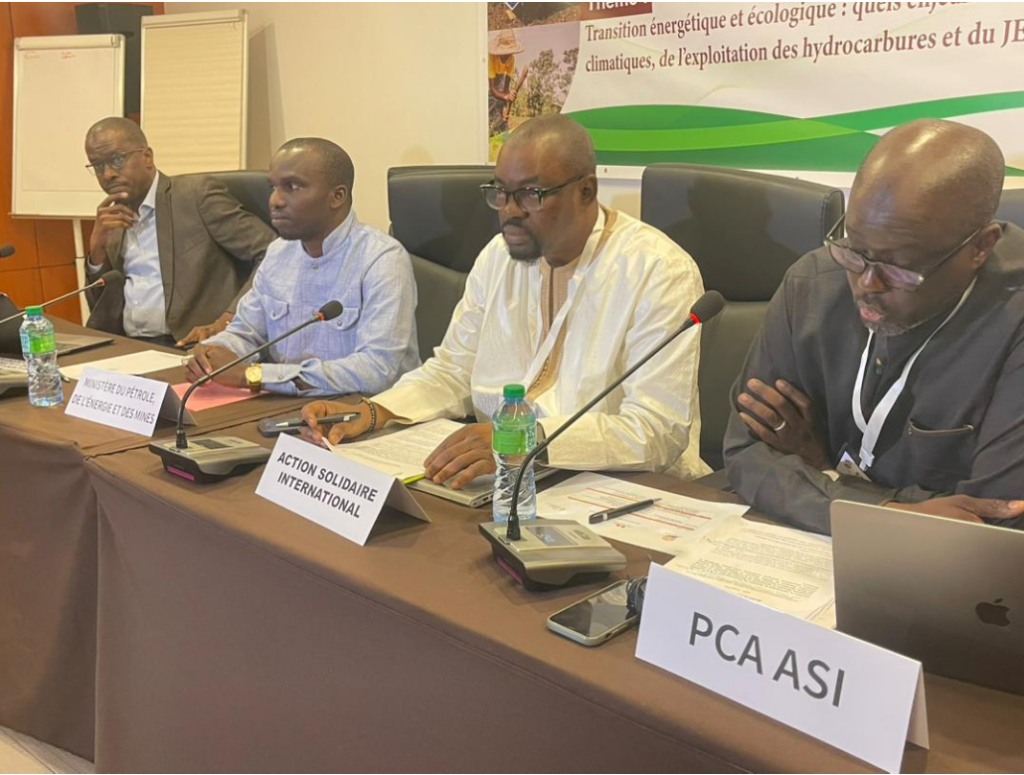
Dakar has become the epicenter of discussions on Senegal’s ecological and energy transition as the fourth edition of the University of Environment and Energy kicked off on May 19. The two-day event brought together policymakers, researchers, civil society leaders, and technical partners to address pressing environmental and energy challenges.
Held against a backdrop of escalating climate change impacts and the evolving landscape of oil and gas exploitation, the forum aims to foster dialogue on sustainable development pathways. The opening ceremony was led by Dr. Elhadji Ndiaye, representing the Minister of Petroleum, Energy, and Mines, with key participation from the National Agency for Renewable Energies (ANER), the Senegalese Rural Electrification Agency (ASER), academic institutions, and non-governmental organizations.
Dr. Ndiaye emphasized the growing significance of energy and environmental issues, framing them as critical pillars of economic growth, social progress, and long-term sustainability. He highlighted the pivotal role of energy in driving productivity, fostering innovation, creating jobs, and enhancing livelihoods across the country.
urgent calls for a sustainable energy transition
Mamadou Barry, President of Action Solidarité Internationale and coordinator of the forum, underscored the urgency of accelerating Senegal’s green transition. He stressed the need to raise awareness among both citizens and decision-makers about climate vulnerabilities and sustainable solutions.
Barry warned of severe climate-related threats, including:
- Recurrent flooding in vulnerable regions;
- Coastal erosion threatening communities and infrastructure;
- Declining agricultural yields due to erratic weather patterns.
« The time for incremental change has passed. Senegal must embrace a development model that is both resilient and sovereign, balancing economic expansion with climate commitments. While the country enters a new phase of oil and gas production, this transition must not come at the expense of our renewable energy ambitions, » he stated.
Barry also advocated for greater inclusion of local communities—particularly those most affected by climate change—in shaping environmental policies, ensuring their voices shape the nation’s sustainable future.
a collaborative push for climate resilience
The forum serves as a vital platform for sharing best practices, innovative technologies, and policy insights to accelerate Senegal’s transition toward clean energy. By uniting diverse stakeholders, the event aims to align national strategies with global climate goals while addressing immediate environmental threats.