The strategic direction for African development is consistently forged within critical forums where public policymakers, international financial institutions, and leading economists engage in vital dialogues.
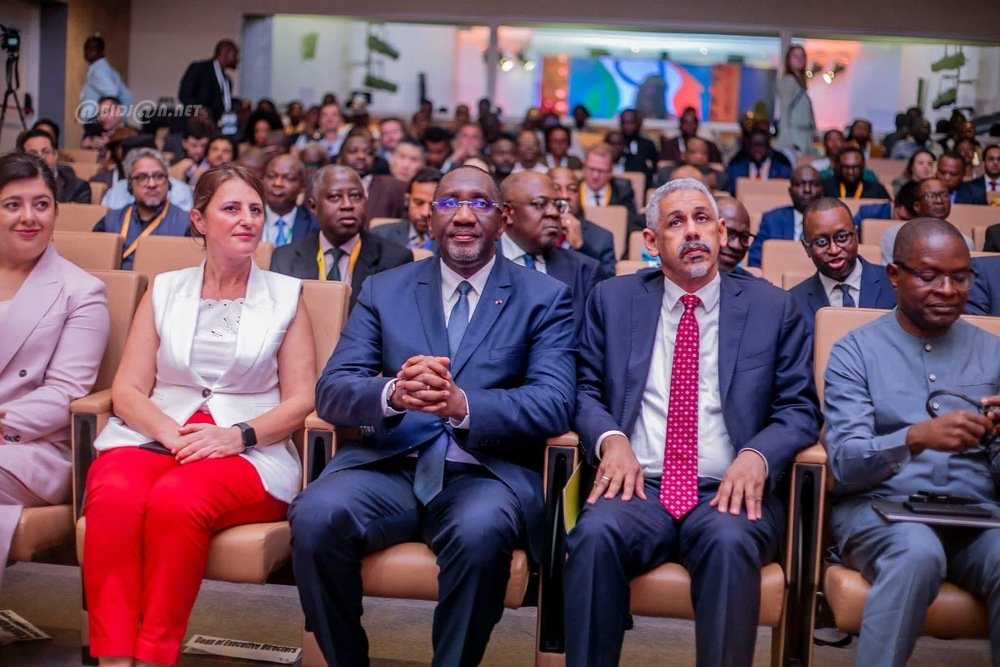
On Saturday, July 11, 2026, Dr. Souleymane Diarrassouba, the Ivorian Minister of Planning and Development, delivered opening remarks at the African Economic Conference 2026. He shared the platform with prominent figures including Dr. Sidi Ould Tah, President of the African Development Bank Group, and representatives from the United Nations, UNDP, and OECD. These organizations, alongside the United Nations Economic Commission for Africa, collaboratively organized this significant conference.
This annual gathering convenes at the African Development Bank’s headquarters in Abidjan, bringing together top officials from development institutions, chief economists from multilateral banks, central bankers, research centers, and public decision-makers. Their collective focus is on the profound economic transformations poised to define the continent’s future.
Amidst a backdrop of evolving geopolitical landscapes and emerging challenges in development financing, Côte d’Ivoire presented its successful blueprint. The nation showcased its expertise in strategic planning, investment mobilization, and economic transformation, notably through its comprehensive National Development Plan 2026-2030.
In his capacity as the Governor for Côte d’Ivoire at the African Development Bank, Minister Diarrassouba articulated the government’s vision. This forward-looking approach emphasizes development underpinned by proactive public policies, sustainable reforms, and the cultivation of an environment highly conducive to investment.
Through its active participation, Côte d’Ivoire underscored its unwavering commitment to contribute meaningfully to the discussions guiding Africa’s development policies. The country also reinforced its readiness to share its widely recognized experience in planning, coordinating public policies, and engaging with partners.