The latest United Nations Group of Experts report on the Democratic Republic of Congo (DRC) sheds light on the persistent challenges faced by the Convention for Popular Revolution/Popular Revolution Forces (CRP/FRP), led by Thomas Lubanga. Despite its official establishment in January 2025, the movement has yet to secure meaningful cooperation with the Alliance of Congolese Patriots/Movement of March 23 (AFC/M23), a key armed group operating in the region.
CRP/FRP’s anti-government stance and regional ambitions
The CRP/FRP, created under Lubanga’s leadership, continues to advocate for regional autonomy and has maintained an openly antigovernment posture. In a symbolic move to align with broader regional dynamics, Lubanga publicly endorsed the AFC/M23 in July 2025. However, the UN report confirms that no formal cooperation has been established between the two groups as of the report’s drafting.
The movement’s leadership includes former warlords, political figures, and local leaders from Ituri, many of whom reside in exile in Uganda, where some are registered as refugees. The FRP, led by former FARDC colonel Lobho Gokpa Justin, has experienced significant internal fractures due to recent defections among its top ranks.
Recruitment challenges and limited influence
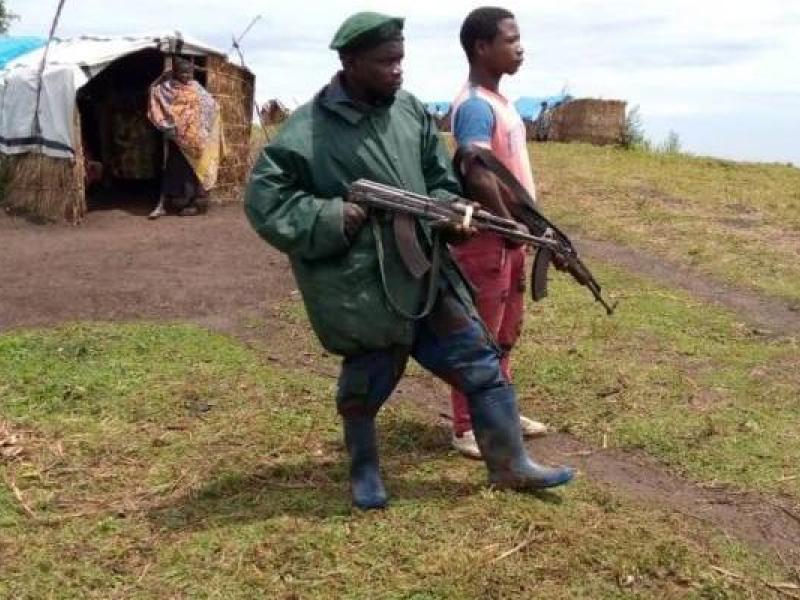
With an estimated 300 fighters in November 2025, the CRP/FRP has since expanded to nearly 1,000 combatants. Recruitment efforts have primarily targeted the “G5” community, though the majority of fighters hail from the Hema ethnic group, including former members of the Zaïre group. The movement has also attempted to enlist individuals from internally displaced persons camps in Ituri and refugee camps in Uganda, including former M23 fighters.
Despite these efforts, the CRP/FRP has failed to garner substantial support from other armed groups or Ituri’s communities. Attempts to recruit young Lendu individuals have yielded minimal results, highlighting the movement’s limited influence in the region.
Thomas Lubanga’s controversial past and political ambitions
Thomas Lubanga Dyilo, a convicted war criminal and former International Criminal Court (ICC) detainee, officially launched the CRP in 2025. The movement positions itself as a vehicle for change, addressing issues such as political mismanagement, corruption, and human rights abuses in the DRC. Lubanga’s rhetoric emphasizes the state’s failure to protect its citizens, particularly in Ituri, where years of violence have resulted in thousands of deaths, mass displacements, and widespread human rights violations.
Lubanga, who served 14 years in prison for war crimes involving child soldiers and was released in 2020, later participated in a presidential task force aimed at promoting peace in Ituri. However, his efforts yielded little success, and his bid to become an Ituri deputy was ultimately overturned.
Key takeaways
- The CRP/FRP, led by Thomas Lubanga, remains isolated despite its antigovernment stance and attempts to align with the AFC/M23.
- The movement has expanded its ranks but continues to struggle with recruitment and garnering support from other armed groups and local communities in Ituri.
- Lubanga’s controversial past and political ambitions continue to shape the CRP/FRP’s narrative, though its influence remains limited.