The African Peer Review Mechanism (APRM), Africa’s premier governance assessment tool established by the African Union, has commended Côte d’Ivoire for its strides in political stability, economic transformation, and institutional reforms.
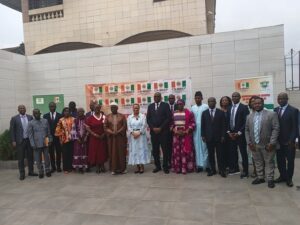
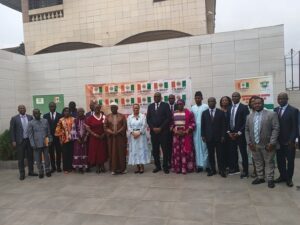
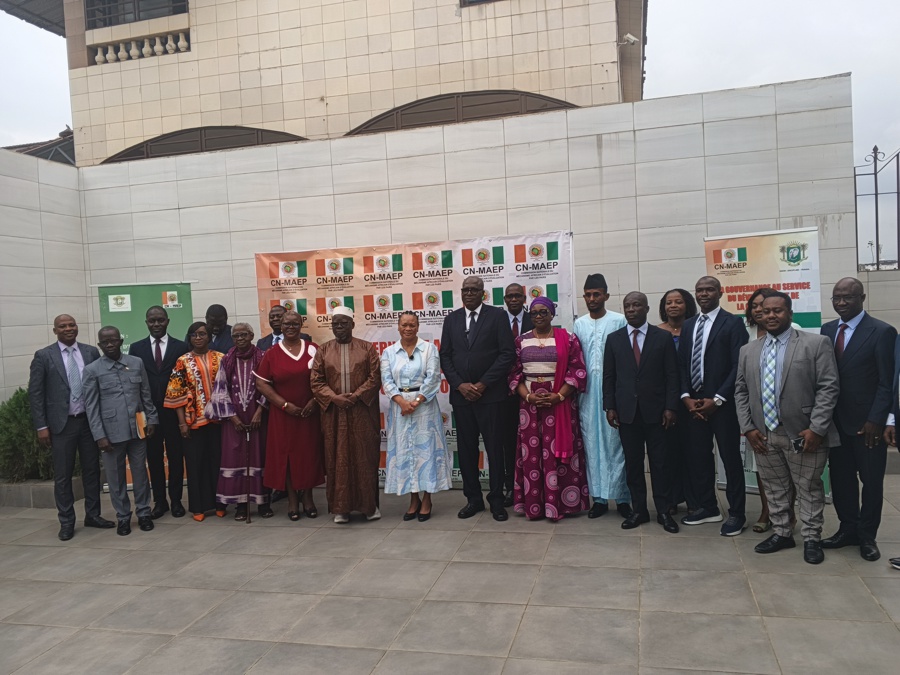
The continental secretariat’s Director-General, Marie-Antoinette Rose-Quatre, highlighted these advancements during her working visit to Côte d’Ivoire on July 21, 2026. Her assessment followed a tour of the APRM National Commission’s Cocody-based offices in Abidjan.
‘We recognize the significant efforts Côte d’Ivoire has made to bolster political stability, drive economic growth, and implement institutional reforms. These achievements form a solid foundation for the upcoming second-generation peer review,’ remarked Rose-Quatre.
The Director-General emphasized the APRM’s commitment to supporting Côte d’Ivoire throughout its preparations for the second-generation evaluation. This process goes beyond a mere assessment—it serves as a strategic opportunity for the country to evaluate its progress since the first review, identify emerging governance challenges, and showcase best practices that could benefit other African nations.
Rose-Quatre underscored the APRM’s unique approach, rooted in voluntarism, mutual learning, transparency, accountability, and peer evaluation. ‘Our focus isn’t on judging countries but on guiding them toward stronger democracy, political governance, economic governance, corporate governance, and socio-economic development,’ she stated.
During her visit, the APRM continental secretariat and Côte d’Ivoire’s officials reviewed the evaluation roadmap, determined pending preparations, and agreed on concrete measures to ensure a smooth launch of the assessment. ‘We are fully committed to providing Côte d’Ivoire with the technical and institutional support needed throughout this process. This collaboration is built on trust, dialogue, and our shared dedication to enhancing governance across the continent,’ she added.
Earlier, PR David Moussa Soro, President of Côte d’Ivoire’s APRM National Commission, stressed the institution’s mission to align governance with the country’s developmental goals. ‘In Côte d’Ivoire, governance and development are advancing in lockstep,’ he declared.
Soro also highlighted two national initiatives designed to promote good governance: the Summer University for Good Governance, aimed at fostering governance culture among the public, and a scientific journal on African integration and governance, targeting academia. ‘The journal provides a platform for publishing research on governance topics in line with the CAMES protocol,’ he explained.
The APRM National Commission reaffirmed its dedication to collaborating closely with the continental secretariat. The following day, Rose-Quatre was scheduled to meet with Côte d’Ivoire’s Senate and hold discussions with Nialé Kaba, the country’s Foreign Minister.
Established in 2003, the APRM is a voluntary agreement among African states to evaluate and enhance governance at the highest levels. Its objectives include promoting political stability, economic integration, sustainable growth, and long-term development across the continent.