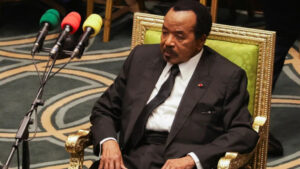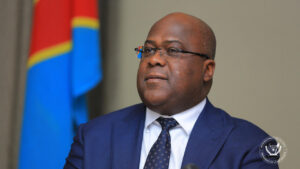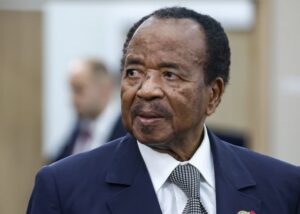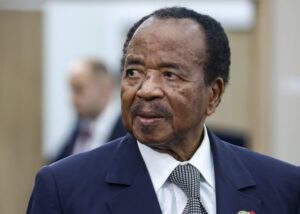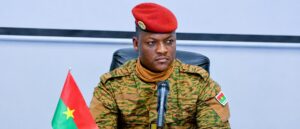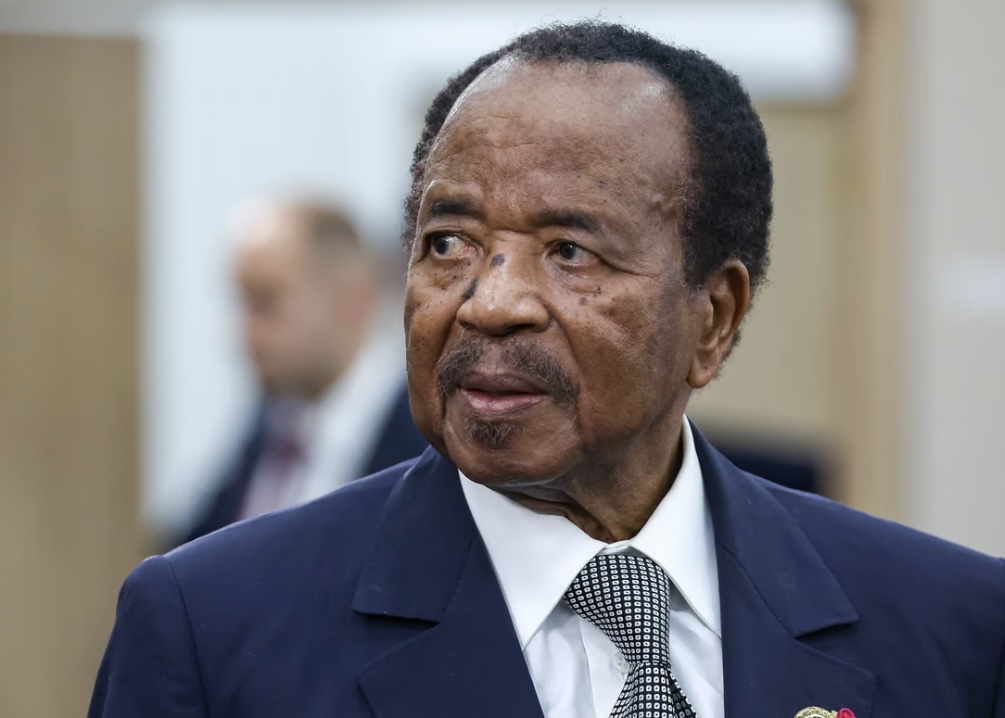
The Rassemblement démocratique du peuple camerounais (RDPC) recently convened an urgent meeting of its senior leadership, marking six weeks since President Paul Biya departed for a private visit to Europe. While no official details regarding his return have been disclosed, the ruling party insists that state institutions continue to function normally. Meanwhile, opposition figures are growing increasingly vocal about their concerns over power management and the protocols for extended presidential absences.

In a brief statement released this week, RDPC Secretary-General Jean Nkuete announced an “important working session,” though neither the agenda nor the purpose was specified. The 93-year-old President Biya left Cameroon on June 7, with the presidential civil cabinet citing a “brief private trip to Europe.” Since then, no official communication has confirmed his return date.
The prolonged silence has fueled speculation and debate. The RDPC has taken steps to address mounting questions. In a July 15 editorial published in L’Action, party propaganda director Christophe Mien Zok emphasized that “authority remains intact” and dismissed claims of a “hands-off leadership.” Official presidential channels have continued broadcasting messages attributed to Biya, including greetings sent to foreign leaders such as France’s President Emmanuel Macron and Montenegro’s head of state, though no public appearances or activities have been documented since his departure.
Opposition voices demand transparency
Several opposition leaders have intensified calls for clarity regarding the exercise of presidential powers. Deputy Jean-Michel Nintcheu has urged the Constitutional Council to declare a vacancy in the presidency. Meanwhile, the Union démocratique du Cameroun (UDC) has adopted a more cautious stance, stating it does not wish to speculate on President Biya’s personal situation. The party argues, however, that the continuity of governance cannot rely on ambiguity or unconfirmed reports. In a July 18 statement, the UDC acknowledged that an extended absence abroad does not automatically constitute a vacancy but stressed the need to question how presidential duties are being fulfilled and what legal mechanisms apply in cases of temporary incapacity.
Constitutional gaps raise concerns
The Cameroonian Constitution lacks clear provisions on the maximum duration of a president’s absence from national territory. Analysts point out that this ambiguity warrants institutional review, yet no legal framework specifies when the Constitutional Council should intervene. The UDC has also highlighted that the vice-presidential position, reintroduced during a constitutional amendment in April, remains unfilled. The party is advocating for legal reforms to clarify procedures governing extended presidential absences. President Biya, in power since 1982, frequently travels to Europe. His current trip, now the longest since taking office, has unfolded without any official indication of his return.