Côte d’Ivoire : Ouattara veut bâtir plus grand et gouverner plus juste
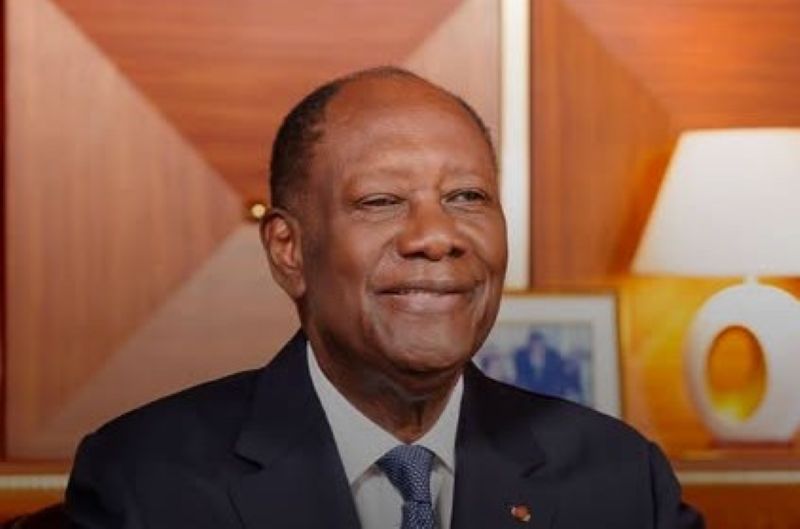
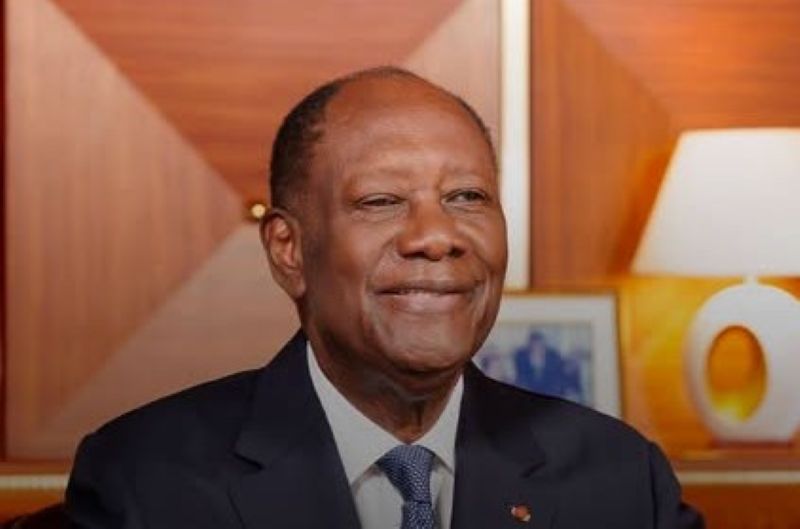
Abidjan, this Friday, August 7, 2026 – As Côte d’Ivoire marks its 66th year of independence, President Alassane Dramane Ouattara has unveiled a new political agenda. His address to the Nation goes beyond mere economic assessments or security assurances, instead articulating two critical imperatives for the country’s future credibility: accelerating national transformation while bolstering the rule of law. Underlying the ambitious vision of a “Greater Côte d’Ivoire” is a fundamental question: how can economic prosperity and political stability genuinely benefit all citizens?
The “Greater Côte d’Ivoire”: an ambition for scaled development
The Ivorian president has urged institutions, economic stakeholders, political parties, civil society organizations, traditional authorities, religious communities, and the diaspora to collectively engage in building this “Greater Côte d’Ivoire.” The language chosen is telling; it signifies a shift from merely pursuing governmental policies to embedding development within a national ambition that transcends partisan affiliations.
This grand aspiration comes at a time when Côte d’Ivoire enjoys a favorable economic trajectory and continues to channel substantial investments into infrastructure, transportation, energy, and port capabilities. The new National Development Plan for 2026-2030 is specifically designed to frame this next phase, with the explicit goal of elevating Côte d’Ivoire to a new level of development.
However, the success of this strategy cannot be solely measured by the towering structures emerging in Abidjan or the highways connecting various regions. Its true impact will also be judged by the country’s ability to bridge territorial disparities, generate more opportunities for its youth, and translate economic growth into a sustainable improvement in living conditions.
Therefore, the “Greater Côte d’Ivoire” can only become a political reality if it also translates into a social reality for its people.
Development without compromising justice
It is precisely on this front that the second component of the presidential message, broadcast Thursday evening on Ivorian national television, gains its full significance. Alassane Ouattara confirmed the continuation of operations to clear areas deemed at risk, particularly in the context of flooding and disaster threats linked to heavy rainfall. Simultaneously, he established a clear boundary for administrative actions.
Operations conducted outside the legal framework, notably those criticized in Koumassi, are now under investigation. The head of state affirmed that these inquiries must lead to accountability and the imposition of legal sanctions.
This distinction is crucial. While urban modernization policies may be necessary, and disaster prevention and human life protection can justify certain interventions, development must not create a zone of administrative lawlessness where citizens are displaced without due process or adequate guarantees.
The presidential address thus introduces a principle that extends beyond the specific issue of forced evictions. The state can be firm without resorting to arbitrary actions. It can develop, build, and ensure security while remaining subject to the very laws it enacts.
The ultimate test will be coherence
Côte d’Ivoire currently faces a more demanding challenge than mere economic growth. It must demonstrate that a regional economic powerhouse can simultaneously strengthen its infrastructure, maintain stability, protect its citizens, and uphold confidence in its institutions.
This is where the true significance of Alassane Ouattara’s discourse lies. The call for national unity can only be effective if all segments of society feel they are participating in the national project. Similarly, the rule of law cannot remain an institutional formality if decisions made in the name of the state themselves evade legal scrutiny.
The Ivorian president has thus set a seemingly simple, yet politically demanding, course: build faster, enhance security, modernize the country, but without losing sight of the people for whom this transformation is being undertaken.
The “Greater Côte d’Ivoire” will, therefore, not solely be defined by grand projects and economic achievements. It will be judged on its capacity to align public power, justice, and inclusion. This coherence, more than any slogan, will determine whether Côte d’Ivoire’s next chapter truly represents a fundamental shift in its development trajectory.