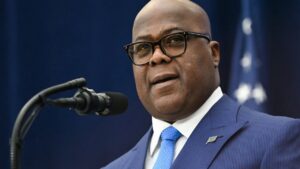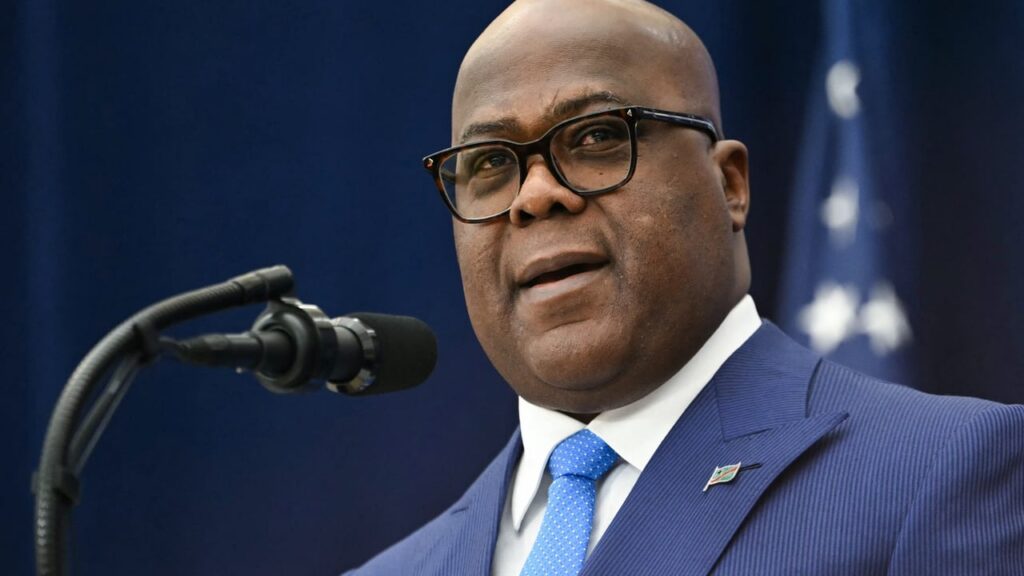
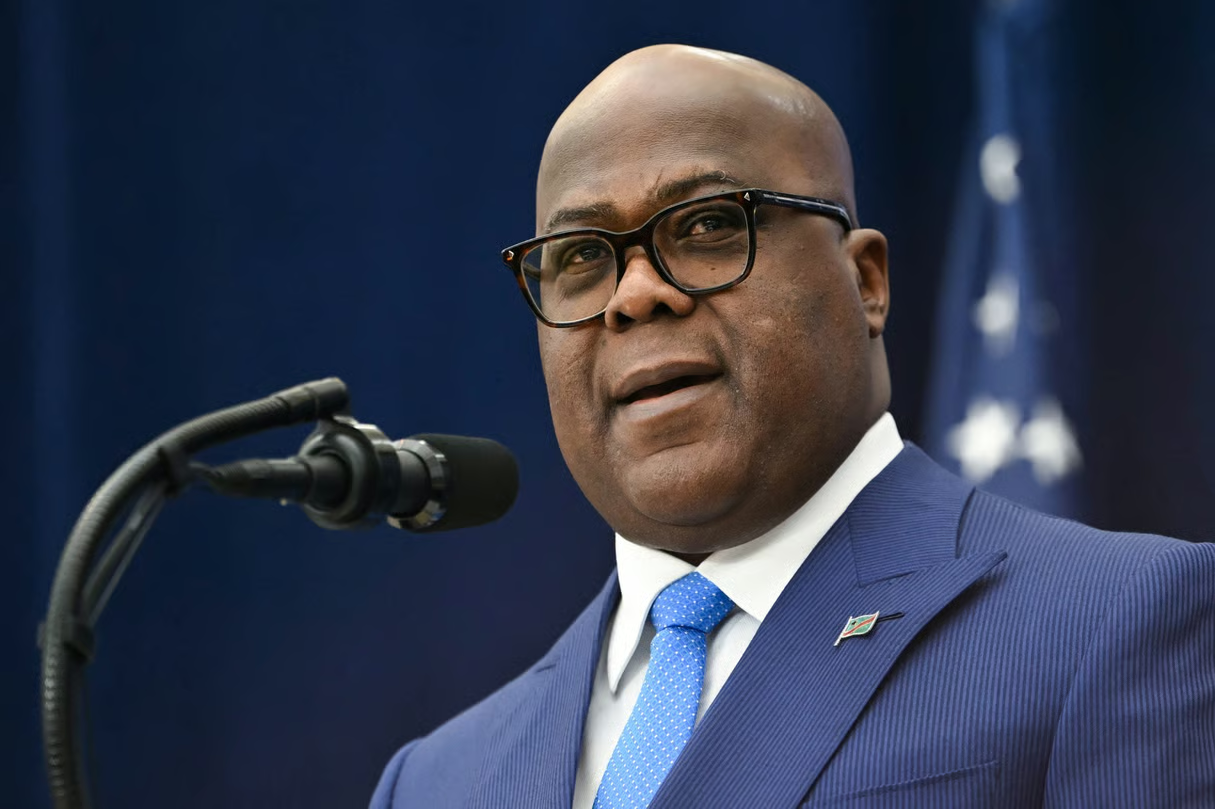
The Democratic Republic of the Congo’s Constitutional Court has delivered a landmark ruling, greenlighting legislation that could enable President Félix Tshisekedi to seek a third consecutive term in office. The decision, issued after months of legal scrutiny and intense public debate, marks a pivotal moment in the nation’s political trajectory.
Legal experts and constitutional scholars had dissected the proposed amendments with precision, weighing their alignment with the DRC’s foundational laws. The court’s ruling confirms that the contested provisions do not violate the constitutional framework, thereby removing the primary legal obstacle to Tshisekedi’s potential candidacy. This development has sent ripples through the political landscape, sparking discussions about its implications for governance, democratic norms, and the country’s future direction.
what the ruling means for Félix Tshisekedi’s political future
With the legal pathway now clear, President Félix Tshisekedi stands at the threshold of a historic bid for a third term. The court’s validation of the amendments signals that the proposed changes to electoral laws are constitutionally sound, paving the way for his potential re-election campaign. Political analysts are already dissecting the potential consequences, from public sentiment to opposition strategies and international reactions.
The decision underscores a critical juncture for the DRC, where questions of leadership continuity and democratic principles intersect. Supporters argue that the amendments provide stability and continuity, while critics warn of risks to institutional balance and the erosion of term limits as safeguards against prolonged executive power.
public and political reactions to the constitutional court’s verdict
The court’s announcement has ignited a spectrum of responses across the nation. Proponents of the president’s potential third term emphasize the importance of experience and leadership in navigating the DRC’s complex challenges. Meanwhile, opposition figures and civil society groups have raised concerns about the long-term implications for democracy, calling for heightened vigilance and public engagement.
Debates have intensified in political circles, with some factions advocating for unity behind a single candidate to strengthen national cohesion. Others are mobilizing to challenge the ruling, framing it as a setback for democratic values. The coming weeks will be crucial in shaping how these dynamics unfold, with potential demonstrations, legal challenges, and diplomatic responses likely to follow.
next steps and the road ahead for the DRC
As the DRC navigates this defining moment, the focus now shifts to the practical and political steps that will follow. The electoral commission is expected to finalize preparations for the upcoming vote, while political parties and civil society organizations prepare for an intensified campaign season. Observers will be closely monitoring the process to ensure transparency and adherence to legal norms.
The court’s decision has set the stage for a high-stakes electoral contest that will test the resilience of the country’s democratic institutions. Whether viewed as a necessary evolution or a cause for concern, the ruling has undeniably reshaped the political landscape, leaving citizens and stakeholders to grapple with its far-reaching implications.