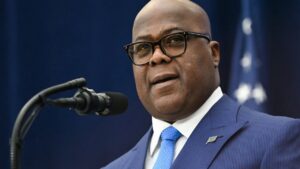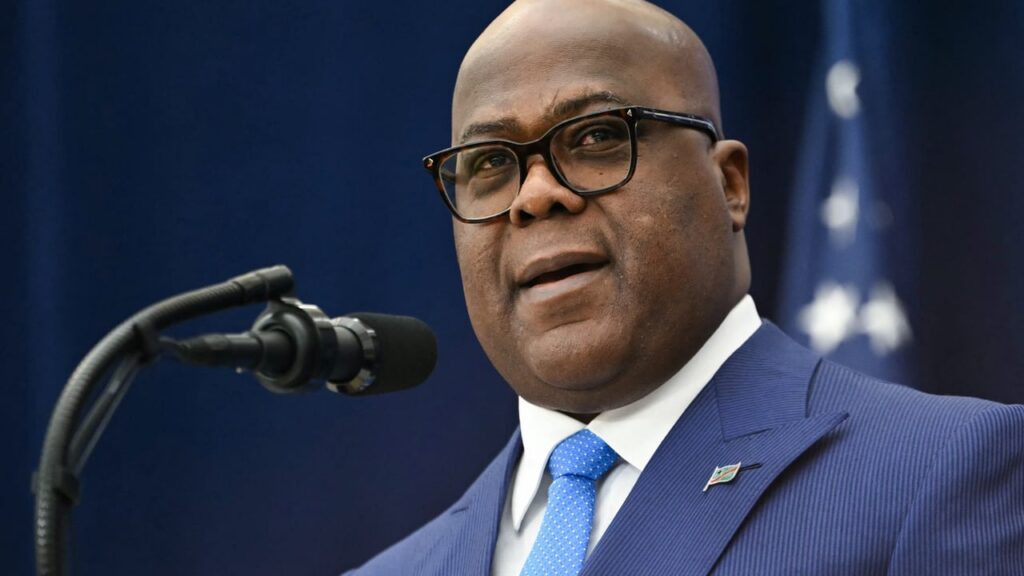
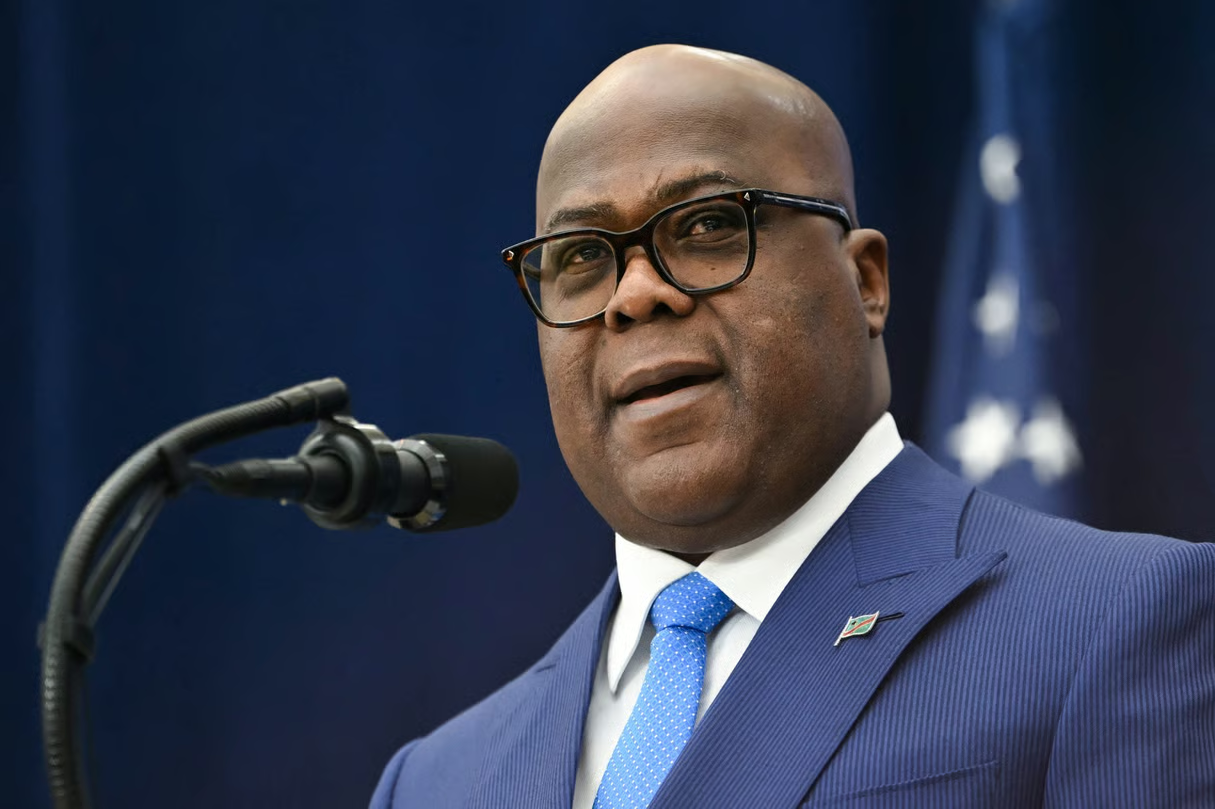
The Constitutional Court of the Democratic Republic of the Congo has delivered its verdict, paving the legal path for President Félix Tshisekedi to seek re-election in the upcoming polls. This landmark decision follows weeks of intense debate over constitutional amendments and their implications for the country’s political future.
Constitutional green light for a third term
The country’s highest judicial body ruled that the proposed changes to the electoral framework comply with constitutional provisions, effectively removing a key obstacle to President Tshisekedi’s ambitions. Legal experts note that the decision hinged on a narrow interpretation of term limits, with judges emphasizing the absence of explicit prohibitions in the current charter.
The ruling has sparked immediate reactions from political observers, civil society groups, and international partners. While supporters praise the decision as a victory for democratic continuity, critics warn it sets a dangerous precedent for institutional erosion.
Reactions across the political spectrum
Government officials hailed the verdict as a triumph of legal clarity, with senior cabinet members calling it a milestone in the nation’s democratic journey. The Presidential Majority coalition quickly issued statements celebrating the ruling, framing it as essential for maintaining stability amid regional security challenges.
Opposition figures, however, have decried the decision as a blatant circumvention of democratic norms. Prominent opposition leaders have vowed to challenge the ruling through both legal and public avenues, accusing the government of manipulating institutions to extend its hold on power.
Implications for Congo’s democratic future
Analysts suggest the decision could reshape the political landscape ahead of the elections. With the legal barriers removed, President Tshisekedi now has a clear pathway to contest the next presidential vote, though the move risks deepening political divisions in an already polarized environment.
The international community has also weighed in, with some diplomatic missions urging adherence to constitutional safeguards while others remain cautiously optimistic about the process. Observers note that Congo’s stability will depend heavily on how the electoral process unfolds in the coming months.
What’s next for Congo’s political scene?
The Constitutional Court’s decision leaves several critical questions unanswered. Will opposition forces unite behind a single candidate to challenge Tshisekedi? How will civil society organizations respond to the ruling? And what measures will the government take to ensure a transparent and inclusive electoral process?
As the nation braces for what promises to be a highly contentious election cycle, all eyes remain on Kinshasa, where political tensions continue to simmer beneath the surface.