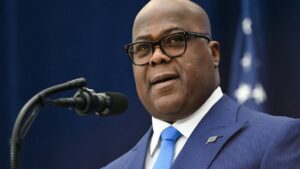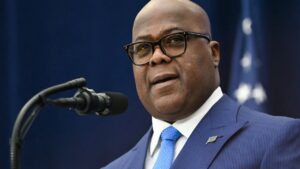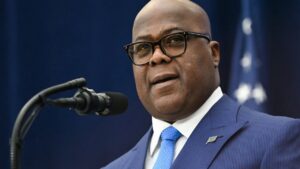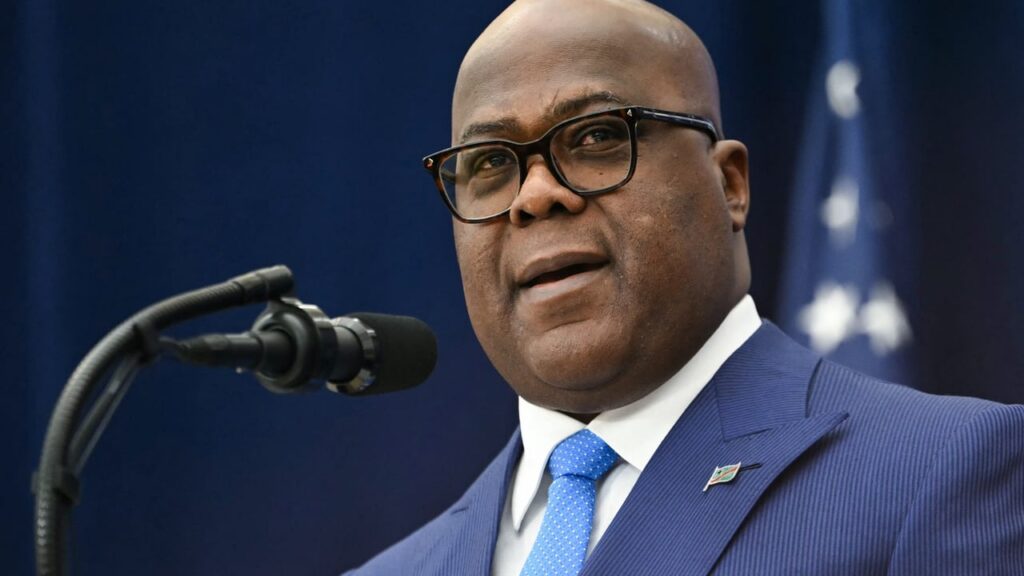
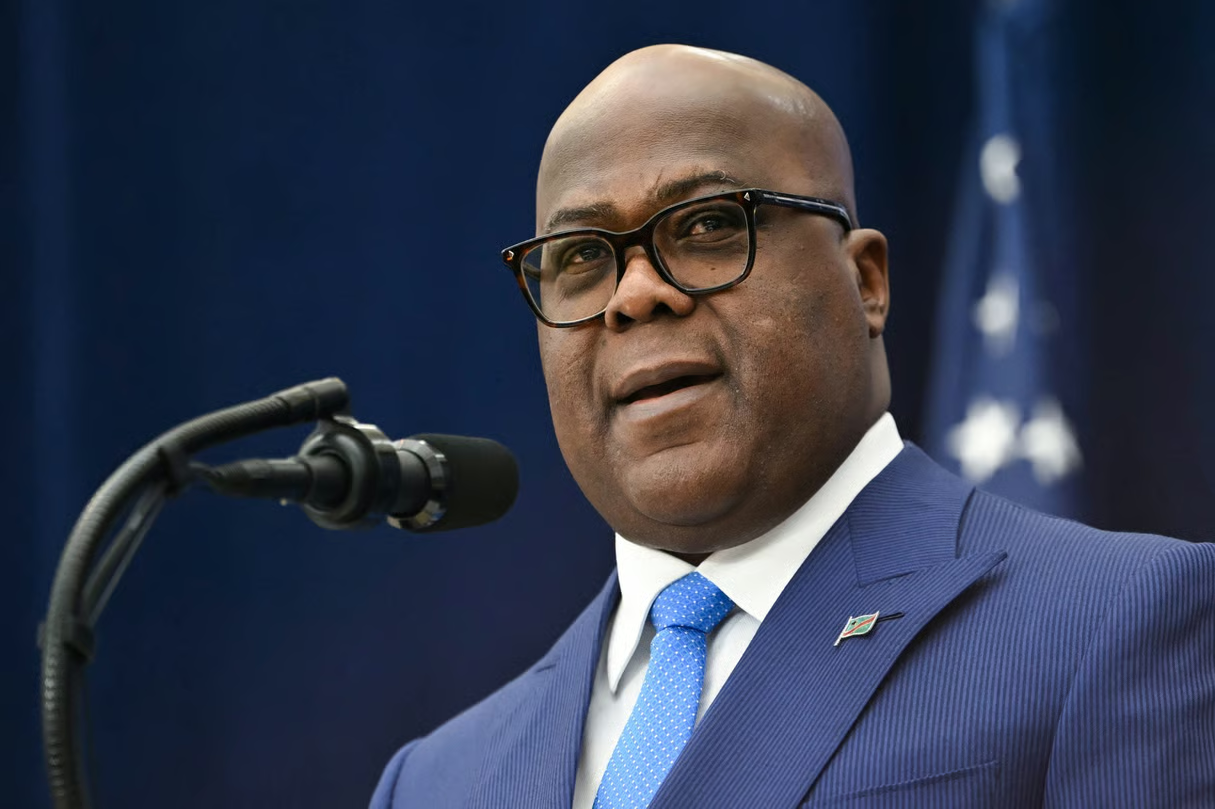
The Constitutional Court of the Democratic Republic of Congo has delivered its verdict, upholding the controversial legislation that paves the way for President Félix Tshisekedi to seek a third term in office. This landmark decision has intensified political tensions across the country as citizens and opposition groups grapple with the implications of the ruling.
The newly approved law, which was fast-tracked through the National Assembly, removes the two-term limit previously enshrined in the constitution. Legal experts argue that this amendment directly contradicts the spirit of the 2006 constitution, which was designed to prevent the concentration of power and ensure democratic alternation in leadership.
Constitutional court’s reasoning behind the decision
The Court justified its decision by asserting that the constitutional amendment process was legally sound and complied with all procedural requirements. It emphasized that the changes were approved by a two-thirds majority in both houses of parliament, thereby meeting the threshold for constitutional reform. Critics, however, contend that the amendment was railroaded through without adequate public consultation or debate, raising serious questions about its legitimacy.
The ruling has sparked widespread protests in major cities, with demonstrators accusing the government of undermining democratic principles. Security forces have been deployed to maintain order, but tensions remain high as opposition leaders vow to challenge the decision through every available legal and political avenue.
International reactions and regional implications
International observers have expressed concern over the potential erosion of democratic norms in the Democratic Republic of Congo. The decision comes at a critical juncture for the country, which has struggled to consolidate peace and stability since its devastating civil wars. Analysts warn that the move could further destabilize the region, particularly in neighboring countries that have also grappled with political transitions and leadership crises.
Regional blocs and international partners have called for restraint and adherence to constitutional order, urging all stakeholders to engage in dialogue to resolve the impasse. The African Union and the United Nations have reiterated their commitment to supporting democratic processes in the country, emphasizing the importance of inclusive governance.
What’s next for Félix Tshisekedi and the DRC?
The stage is now set for Félix Tshisekedi to officially declare his candidacy for a third term, a move that is expected to dominate the political landscape in the coming months. His supporters argue that his leadership has brought stability and progress, while opponents view the decision as a betrayal of the country’s democratic aspirations.
The opposition has vowed to mobilize public opinion and pressure the government to reverse the decision. Meanwhile, civil society groups are calling for constitutional reforms that would strengthen checks and balances and protect the rights of citizens. The coming weeks will be crucial in determining whether the country can navigate this political crisis without descending into further unrest.