Shrinking civic space in Burkina Faso under military leadership
June 2, 2026Fear as a tool of control
Newton Ahmed Barry, an exiled Burkinabè journalist, argues that the regime is deliberately fostering fear: “The junta’s strategy is simple: the more people fear them, the easier it is to control them. They terrorize society to consolidate power and govern unchallenged.”
UGEB suspension: students targeted
The Union générale des étudiants du Burkina Faso (UGEB), founded in 1960, has been suspended for three months—renewable—after its president, Bazo Wilfried, and several members were detained. Authorities accuse the union of “terrorist propaganda” and “undermining the morale of security forces” for criticizing the government’s failure to restore security, describing the situation as a “civil war” and an “obvious incapacity” to protect citizens. Mahamadou Idder Alghabid, Deputy Secretary-General of the Alliance of Sahel Democrats (ADS), sees a regional pattern: “It’s laughable to accuse unarmed students of terrorism. But this tactic is now common across the Sahel. Any dissent is swiftly crushed under accusations of terrorism or collaboration with militants. This authoritarian language is spreading rapidly across the three military-led nations.”
Regional crackdown on freedoms
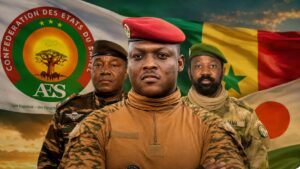
Burkina Faso is not alone in this trend. In Mali and Niger, human rights advocates report a steady erosion of civil liberties—dissolution of organizations, judicial harassment, and restrictions on free speech—all fueled by military rule. The Alliance of Sahel Democrats warns that the line between political criticism, union activism, and criminal offenses is vanishing.
Resistance persists despite risks
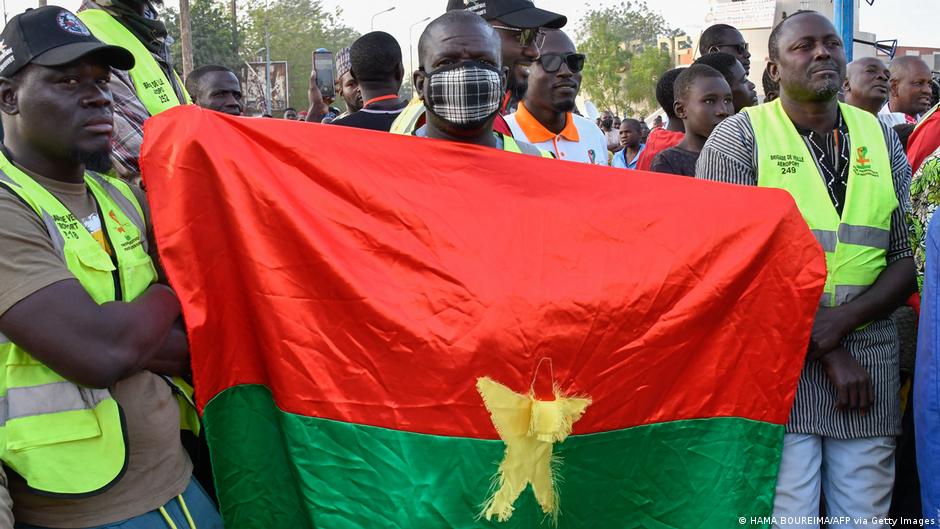
Despite arrests, abductions, and violence, voices of opposition continue to speak out—often from abroad. Mahamadou Idder Alghabid remains defiant: “We know the fight ahead is immense against three military regimes. But every day, we gain ground while they lose it. Their propaganda initially promised sovereignty and anti-imperialism, but these claims have proven hollow. Saharan people—from Burkina Faso, Niger, and Mali—are waking up to the truth and abandoning the juntas.”
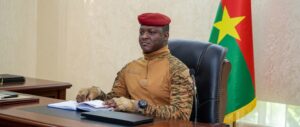
Newton Ahmed Barry believes the regime’s excesses will ultimately weaken it: “History shows that authoritarian regimes collapse under their own brutality. Ibrahim Traoré’s grip on power may seem firm, but it’s built on repression. The Burkinabè people have not surrendered.”
Urgent calls for global solidarity
Human rights organizations urge the international community to support civil society and defend democratic resilience. Ilaria Allegrozzi of Human Rights Watch emphasizes: “Silence and ambiguity only legitimize authoritarianism. Partners of Burkina Faso must stop hiding behind the idea that criticizing the junta is counterproductive. The time has come to name these abuses for what they are.”
Defending fundamental freedoms
Beyond Burkina Faso, the legitimacy of military rule across the Sahel is increasingly questioned. Human Rights Watch stresses the need to condemn violations and reject the normalization of coups: “Military juntas cannot be allowed to turn power grabs into an acceptable standard. The systematic denial of human rights must be called out.”