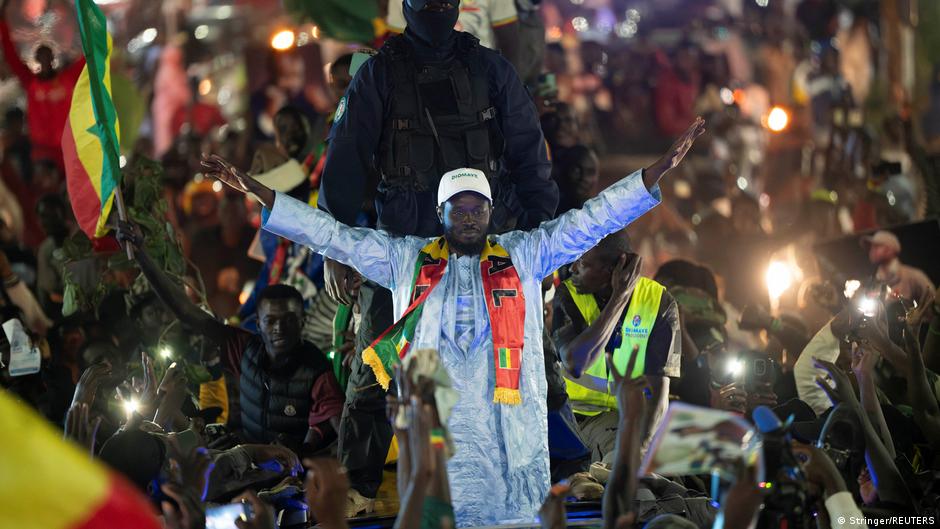
In his hometown of Mbour, the presidential coalition Diomaye Président sent a clear message to the Pastef movement. The gathering, initially presented as a routine progress update, carries significant political implications for both the ruling majority and upcoming elections.
asserting independent leadership
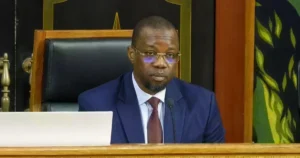
Two years into his presidency, Bassirou Diomaye Faye is now seeking to define his own political identity, separate from the Pastef party that helped secure his 2024 victory. Recent remarks by the Senegalese leader have underscored this shift, with a May interview criticizing what he called an “excessive personalization” of their shared political project—a thinly veiled critique of Ousmane Sonko‘s outsized influence within the movement.
The Mbour event was strategically designed to showcase this emerging “Diomayist” current, positioning the presidency as a distinct political force rather than an extension of the party apparatus. Observers suggest this maneuver aims to reinforce constitutional hierarchy, emphasizing that Senegal’s president remains the ultimate authority within the executive branch.
a popularity test with high stakes
Mbour wasn’t chosen by chance. As both an electoral stronghold and a secure venue, it provided the perfect setting to gauge the coalition’s outreach beyond its core Pastef base. While the event drew substantial crowds to the Caroline Faye stadium, the president’s absence—replaced by a video address—sparked notable discussion among attendees and analysts alike.
Political observers highlight two key objectives: first, demonstrating a base of support independent of the party’s traditional networks; second, preparing public opinion for potential political realignment ahead of upcoming legislative elections and the critical 2029 presidential race.
the 2029 question looms large
At Mbour, coalition leaders openly urged Bassirou Diomaye Faye to seek a second term—a premature declaration that reveals much about the shifting dynamics within the majority. While constitutionally permissible, this possibility introduces complex scenarios: either a prolonged cohabitation with Ousmane Sonko, or a decisive clarification of roles and ambitions within the government.
The relationship between the two leaders has grown increasingly strained, marked by targeted dismissals, restructuring of presidential communications, and power struggles over coalition control. A public rupture would threaten the majority’s stability, while an ambiguous cohabitation risks accelerating political fatigue.
Amid these tensions, Faye faces immense social expectations: youth employment, economic reforms, justice system modernization, and cost-of-living pressures. While the administration touts progress, delayed reforms and visible challenges are fueling growing impatience among Senegalese citizens.
a defining moment for Senegal’s presidency
The Mbour gathering represents more than a political rally—it marks a critical inflection point in Bassirou Diomaye Faye‘s presidency. As he navigates the delicate balance between institutional authority, political loyalty, and future planning, this strategy of differentiation could either solidify his position or trigger lasting divisions within the majority. In a country where power unity has long been framed as essential to the “breakthrough” promised in 2024, the stakes couldn’t be higher.