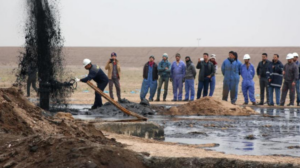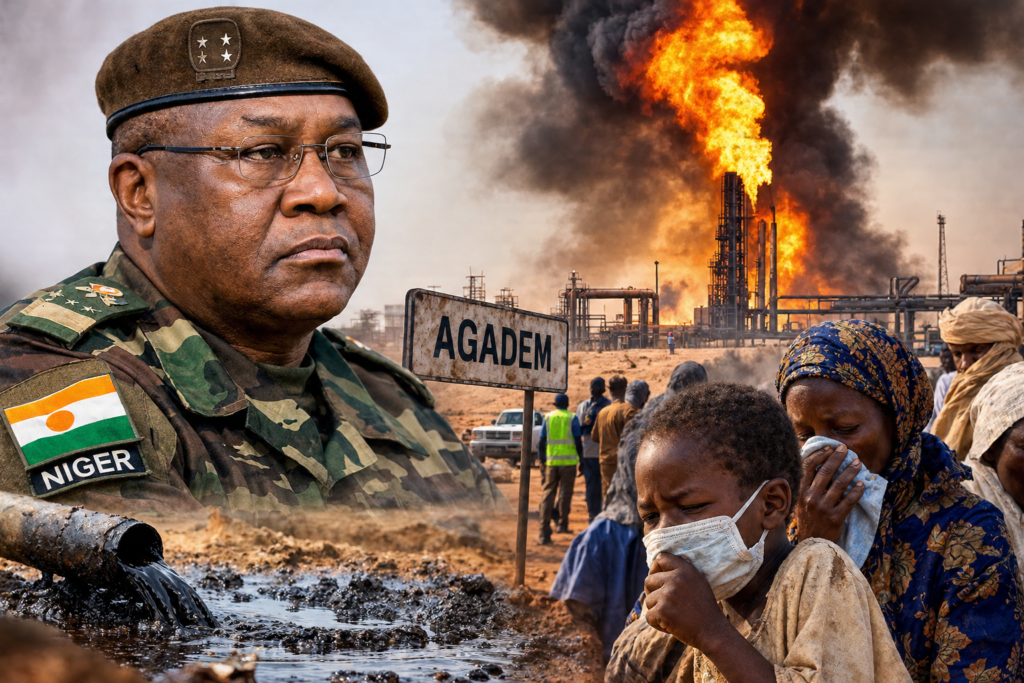
The unfolding crisis in Agadem, within the Diffa region of Niger, presents a stark and immediate threat to public health and safety. An unprecedented eruption of crude oil and gas officially classified by Niger’s Ministry of Petroleum as an exceptional industrial incident has raised urgent concerns about the integrity of oil infrastructure and the well-being of nearby communities. The critical question now is whether the government, under the leadership of General Tiani, can effectively mitigate the risks posed by this uncontrolled disaster.
How does an uncontrolled oil eruption endanger public health?
The uncontrolled release of hydrocarbons and associated gases poses severe health risks to residents living in close proximity to the incident. Exposure to crude oil and certain hydrocarbons can lead to acute symptoms such as skin and eye irritation, respiratory distress, headaches, dizziness, and in severe cases, long-term health complications. Beyond immediate health effects, the potential contamination of soil and water sources threatens the daily lives of local populations who rely on these resources for drinking, agriculture, and livestock.
The risks are not hypothetical. Recent industrial incidents in neighboring West African states have demonstrated the catastrophic consequences of gas leaks and oil spills. Reports from affected areas have documented cases of burns and nosebleeds among residents exposed to toxic fumes. These incidents underscore the critical need for proactive measures rather than reactive responses. Waiting for confirmed cases of illness before implementing protective actions would be a dangerous and negligent approach.
Is the Tiani government equipped to manage this industrial emergency?
The Agadem incident has been officially described as an exceptional crisis, yet its full containment remains uncertain. This raises pressing questions about the government’s technical, human, and logistical capacity to respond to such emergencies. Effective management requires more than conducting investigations or assigning blame; it demands immediate action, transparent communication, and robust contingency measures.
Residents need clear safety guidelines, regular health monitoring, and environmental assessments to determine contamination levels in air, water, and soil. Authorities must also ensure that emergency response protocols are in place, that affected individuals receive medical evaluations, and that ongoing risks are communicated without delay. These demands reflect not political agendas but fundamental public health obligations.
What does sovereignty mean in the face of industrial failure?
Since assuming power, the Tiani administration has consistently emphasized national sovereignty, resource control, and self-determination. Yet sovereignty is not merely a matter of economic independence or political rhetoric. It is also measured by the state’s ability to prevent catastrophes, enforce safety standards, and protect citizens when disasters occur.
The exploitation of oil resources holds significant economic potential for Niger. However, the benefits of these resources cannot be considered a success if nearby communities are left vulnerable to uncontrolled industrial hazards. The wealth generated from oil must not come at the cost of public well-being. Citizens deserve both economic opportunities and the assurance that their health and environment are safeguarded.
What concrete actions must authorities take now?
The situation in Agadem demands answers to pressing questions: What is the current status of the incident on the ground? Which substances have been released, and in what quantities? Have environmental and health risk assessments been conducted? What measures are in place to minimize prolonged exposure for residents? And, crucially, what steps are being taken to prevent further escalation of the crisis?
Until these questions receive precise and timely responses, the concerns of the population remain entirely justified. This is not an assertion that harm has already occurred but a call for vigilance and transparency. The people of Agadem should not be forced to choose between economic prosperity and their health. They are entitled to both access to their nation’s resources and the right to live in an environment where industrial risks are managed with the utmost responsibility.
Ultimately, the true test of governance lies in how a state responds when danger is at its doorstep. Claiming sovereignty over natural resources is hollow if the state fails to protect its people during a crisis. True leadership means anticipation, accountability, and action—ensuring that the well-being of citizens outweighs all other considerations.
By Georges Essomba — Journaliste / Rédacteur