Why Cotonou’s Vêdoko interchange is a make-or-break moment for the city’s mobility
The question on every commuter’s lips in Cotonou is simple: will the new Vêdoko interchange finally deliver the traffic relief residents have waited decades for? With Japan’s fresh injection of 10.8 billion FCFA into the project, the stakes have never been higher for Africa’s fastest-growing port city.
From dream to reality: How 26.2 billion FCFA is reshaping Cotonou’s traffic nightmare
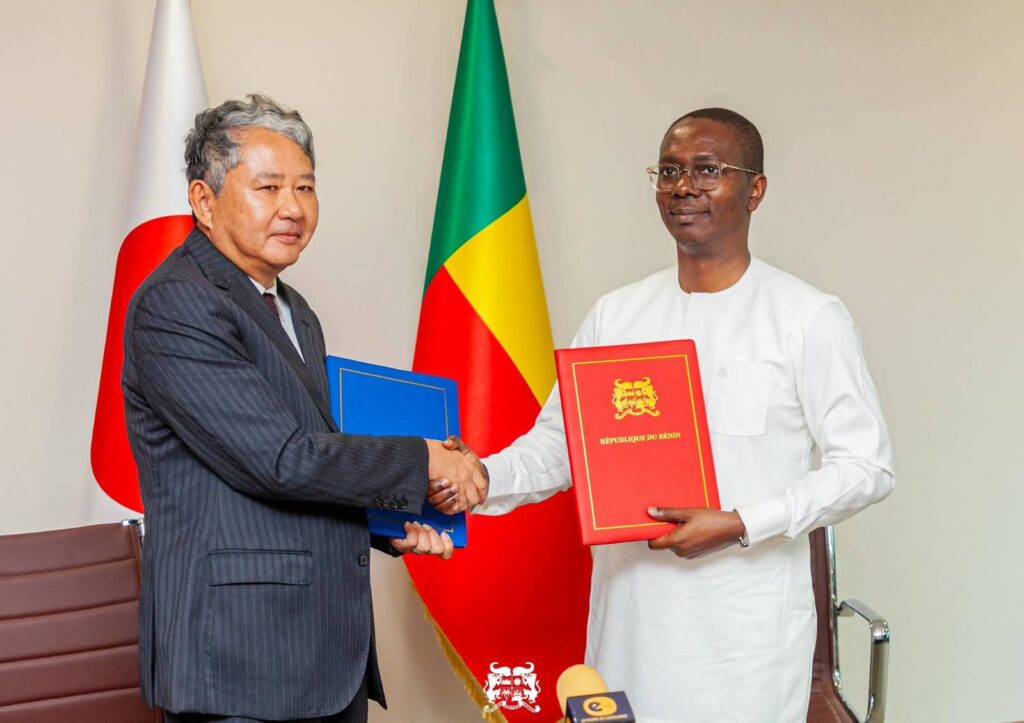
The announcement on October 9, 2026 marked a critical milestone in what has become one of Benin’s most ambitious urban infrastructure projects. Japan’s additional funding brings the total investment to 26.228 billion FCFA, transforming the Vêdoko interchange from a concept into a near-term reality.
This isn’t the project’s first financial boost—the original groundbreaking in October 2025 signaled the official launch, attended by Japan’s ambassador to Benin. Now, with construction already underway, the new funding ensures the project can progress without the delays that plague so many African infrastructure initiatives.
What exactly will the extra 10.8 billion FCFA accomplish?
Beyond the headline figure, the funds will specifically target:
- An elevated flyover designed to streamline east-west traffic flows
- Comprehensive drainage systems to prevent waterlogging during the rainy season
- Pedestrian and non-motorized vehicle pathways integrated into the design
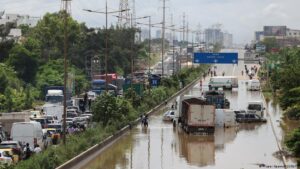
Vêdoko’s traffic vortex: How this intersection became Cotonou’s worst bottleneck
Situated at the heart of the city’s economic activity, Vêdoko handles more than just regular commuter traffic. The junction sees:
- 18,000+ vehicles daily including buses, taxis, and private cars
- Constant motorcycle congestion that turns rush hour into gridlock
- Commercial traffic from the nearby Dantokpa market and port access routes
Before the interchange, peak hours often saw vehicles inching forward at 5-10 km/h, with daily delays adding up to 45 precious minutes for workers, students, and traders alike.
Real-world benefits Cotonou residents hope to see
The promise of improved mobility extends far beyond shorter commutes. Project stakeholders envision:
- 30% reduction in travel time for morning and evening rush hours
- Lower fuel consumption by eliminating stop-start traffic
- Reduced air pollution from idling vehicles
- Improved reliability for public transportation schedules
For local businesses, the interchange represents more than just shorter delivery routes—it could mean the difference between perishable goods arriving fresh or spoiled at market stalls.
Construction challenges: The temporary pain for long-term gain
As with any major infrastructure project, the construction phase brings immediate disruption. Current work requires:
- Partial lane closures on Route Inter-Etats and Boulevard de la Marina
- Reconfigured bus stops to maintain access during construction
- Temporary detour routes with clear signage
City officials have emphasized the importance of proactive traffic management to minimize inconvenience, with round-the-clock monitoring planned to adjust routes as needed.
Japan’s role: More than just financing this African infrastructure revolution
The partnership extends beyond financial support. Japanese engineering firms will collaborate with local contractors to ensure:
- Transfer of technical expertise in large-scale infrastructure projects
- Adoption of Japanese safety standards for road construction
- Training programs for Beninese engineers and technicians
This knowledge transfer could prove invaluable for future urban development projects across Benin.
Measuring success: When can Cotonou expect real traffic relief?
The interchange’s full benefits won’t be immediately apparent. Key indicators officials will monitor include:
- Average vehicle speeds during peak hours
- Number of daily gridlock incidents
- Public transportation schedule adherence
- Accident rates at the interchange
Only after 12-18 months of operation can the project’s true impact on Cotonou’s mobility crisis be accurately assessed.
Beyond Vêdoko: What’s next for Cotonou’s transport transformation?
While the Vêdoko interchange represents a major step forward, city planners emphasize it’s part of a larger multi-phase mobility strategy. Future projects may include:
- Expansion of the Bus Rapid Transit system
- Pedestrianization of key commercial areas
- Implementation of smart traffic management systems
The success of Vêdoko will set the precedent for these ambitious plans. If the interchange delivers on its promises, it could become the blueprint for tackling Cotonou’s urban congestion at its root.
Final verdict: Is this the breakthrough Cotonou’s transport sector desperately needs?
The numbers tell a compelling story: 26.228 billion FCFA invested to solve a problem that costs the city millions annually in lost productivity and wasted fuel. Yet the true test lies in execution.
For the 700,000 daily commuters who navigate Cotonou’s roads, the question remains unanswered: Will the Vêdoko interchange finally deliver the traffic freedom they’ve fought for? Only time—and meticulous project management—will provide the definitive answer.