The military takeover’s shadow over Guinea-Bissau’s electoral future
The December 2026 elections hang in the balance after Guinea-Bissau’s November 2025 presidential vote descended into chaos. When the national electoral commission was still counting ballots, outgoing president Umaro Sissoco Embaló and opposition candidate Fernando Dias da Costa both declared victory. The military intervened on November 25, halting the election process with claims of preventing destabilization and thwarting an alleged plot—allegations never independently verified. This abrupt interruption left a critical question unanswered: who had truly won the election before soldiers took control?
From coup to transition: a pledge tested by reality
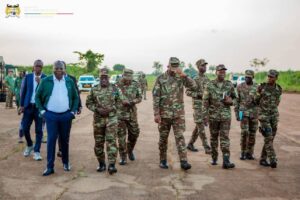
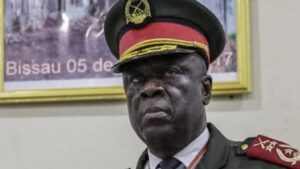
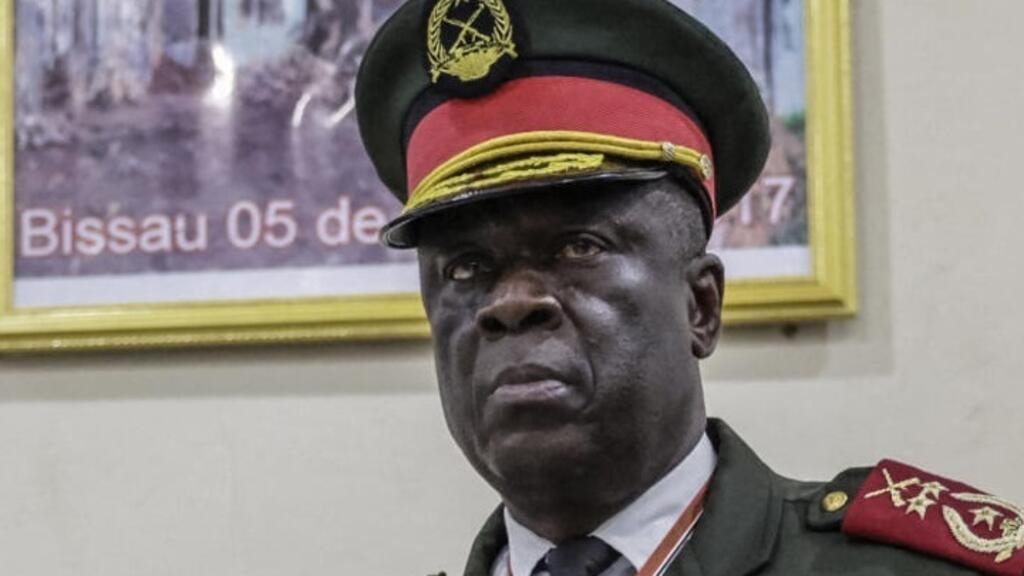
Following the military takeover, the junta positioned itself as a stabilizing force and launched a transition led by General Horta N’Tam, with a stated goal of restoring civilian rule through presidential and legislative elections. The transition authorities set December 6, 2026, as the election date, asserting that all conditions for a credible vote were met and that the junta leader would not run for office.
Yet, skepticism was immediate. Opposition figures remained jailed or in exile, and the legislative body’s constitutional reforms raised legal concerns. The junta’s promise to return power to civilians now faces scrutiny not just on timing, but on substance: will the elections truly reflect the people’s will, or will military influence cast a long shadow over the process?
Constitutional changes spark debate
The transition also pursued sweeping institutional reforms. An August 2026 constitutional referendum proposed replacing the semi-presidential system with a stronger presidential one, reducing parliament from 102 to 65 seats, and cutting districts from 29 to 12. Authorities framed these changes as necessary for stability, but opposition groups like the PAIGC warned they risked concentrating power in the executive and entrenching military control. Several parties and civil society organizations boycotted the referendum, leaving its legitimacy in question.
This contradiction lies at the heart of the transition: the junta promises elections, yet reshapes the political rules through institutions born of military rule. Can a process designed under military oversight truly deliver a democratic reset?
December 2026: a deadline or an illusion?
As the December 6 election date approaches, doubts intensify. The electoral commission has warned that technical preparations cannot be completed in time, while the prime minister acknowledged that political parties are unprepared for a credible vote. A delay may seem pragmatic, but it also risks extending military influence over Guinea-Bissau’s political trajectory.
The stakes extend far beyond the calendar. Can opposition leaders participate freely? Will candidates and voters be safe? Will the security forces remain neutral? These aren’t just logistical questions—they’re the pillars of a free and fair election. Without concrete guarantees, the junta’s commitment to civilian rule risks becoming an empty promise.
The credibility gap: what matters beyond the date
A postponed election alone won’t resolve the crisis. True legitimacy will be measured by action: releasing imprisoned opposition figures, ensuring unfettered opposition participation, protecting freedom of expression, and allowing electoral institutions to operate without military interference. A vote held under duress could deepen divisions rather than heal them.
Alternatively, a transparent, inclusive process—with a respected timeline and fair rules—could finally end the transition and restore democratic normalcy. For Guinea-Bissau, the choice is clear: will the junta’s pledge lead to real power transfer, or will it remain a mirage hanging over an uncertain future?