As Benin’s southern coast between Fidjrossè and Ouidah transforms into a hub of economic opportunity, the government faces a critical question: how can accelerating tourism development coexist with the delicate balance of fragile wetlands? A newly approved coastal management authority aims to address this strategic dilemma head-on, promising stricter oversight where urban expansion threatens natural buffers against flooding and erosion.
The stakes: A coastal corridor at a crossroads
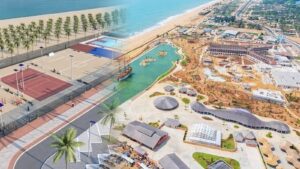
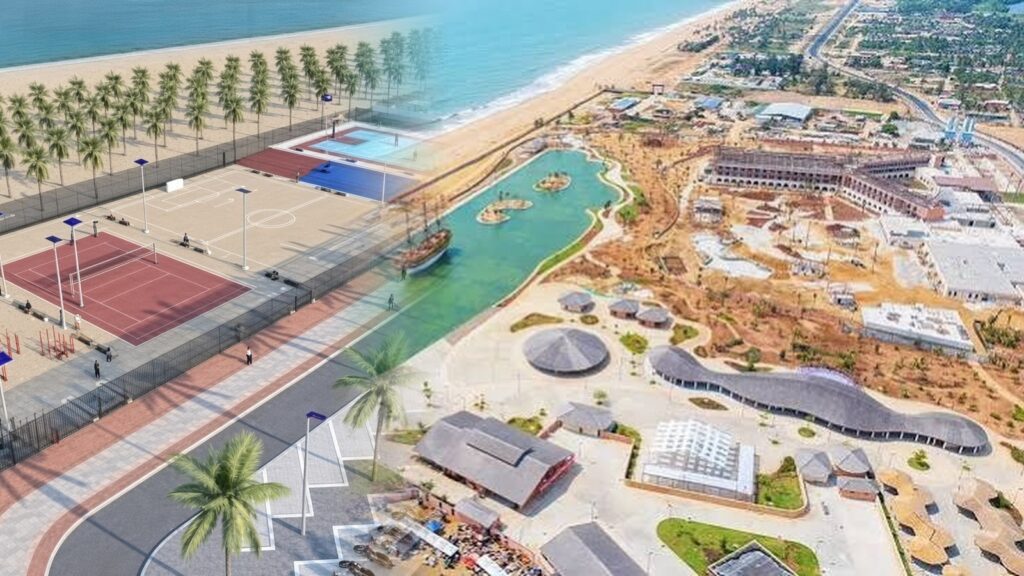
The 40-kilometre stretch from Fidjrossè to Ouidah has become a priority zone for national development. Once dominated by salt marshes, mangroves, and fishing villages, the landscape is now dotted with new roads, sanitation systems, and tourist projects designed to boost the Route des Pêches. Yet this rapid transformation carries a hidden cost: the loss of natural water retention zones that once mitigated flood risks during the rainy season.
According to government assessments, some of these wetlands have been encroached upon by informal settlements and unregulated construction. The result? Increased vulnerability to seasonal flooding, which has already damaged homes and displaced communities in recent years. The paradox is clear: Benin’s push for economic growth is undermining the very ecosystems that protect it.
Why wetlands are non-negotiable in the coastal equation
The new authority isn’t just another regulatory body—it’s a direct response to a growing environmental crisis. Wetlands along this stretch act as natural sponges, absorbing excess rainwater and reducing storm surge impacts. When these areas are filled in or built upon, the consequences are immediate:
- Loss of flood regulation: Reduced capacity to handle heavy rainfall increases flood frequency and severity.
- Erosion acceleration: Without protective vegetation, sandy shorelines recede faster, threatening infrastructure.
- Biodiversity decline: Salt marshes and mangroves are critical habitats for migratory birds and marine species.
Government advisors warn that irreversible damage to these ecosystems could undermine the tourism and real estate investments the corridor aims to attract.
The new authority: One agency to rule them all?
Dubbed the Authority for the Development of Coastal Basins from Fidjrossè to Ouidah, this entity will consolidate responsibilities previously scattered across multiple agencies. Its mandate covers:
- Land-use planning and environmental protection
- Tourism infrastructure approval and oversight
- Coastal erosion and flood prevention measures
- Enforcement of construction and zoning regulations
The authority’s influence will extend to the most sensitive areas—dune systems, lagoons, and wetlands—where unchecked development has already sparked conflicts between residents, investors, and environmental advocates.
Tourism under the microscope
While the government insists the authority won’t stifle growth, it will scrutinize every project more closely. Hotel expansions, beachfront restaurants, and recreational facilities will require prior approval, with a focus on minimizing environmental impact. The goal? To ensure that the Route des Pêches becomes a sustainable showcase for Benin’s tourism sector—not a cautionary tale of overdevelopment.
Can Benin afford to slow down? The economic gamble
Tourism is a cornerstone of Benin’s economic strategy, and the Fidjrossè-Ouidah corridor is its crown jewel. But without careful management, the very attractions drawing visitors—pristine beaches, mangrove-lined lagoons, and cultural landmarks—could degrade into polluted, overcrowded zones.
The new authority is tasked with striking a delicate balance:
- Attract investment: Partner with private developers to fund sustainable infrastructure.
- Set boundaries: Enforce no-build zones in critical wetlands and enforce architectural guidelines near the coast.
- Monitor compliance: Conduct environmental audits and penalize violators of coastal regulations.
Success hinges on whether Benin can turn its coastal dilemma into a model of sustainable growth—or risk repeating the mistakes of other African tourist hotspots where unchecked expansion led to ecological collapse.
What comes next: From approval to action
The authority’s statutes have cleared a major hurdle, but implementation will test Benin’s administrative resolve. The Ministry of Living Environment and Sustainable Development, alongside key agencies, must now operationalize the agency, hire specialists, and establish clear protocols for project approvals.
For coastal communities, the stakes couldn’t be higher. Residents of Fidjrossè and Ouidah are watching closely as bulldozers level wetlands for new developments—some hopeful for jobs, others dreading the loss of their homes to floods.
The authority’s first real test will come when the first major tourism project is submitted for review. Will it greenlight the development—or demand redesigns to protect the wetlands that safeguard the coastline?