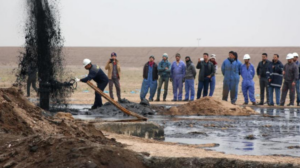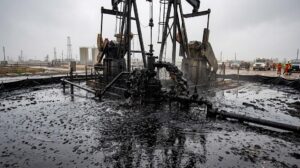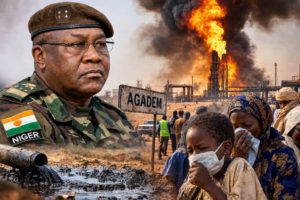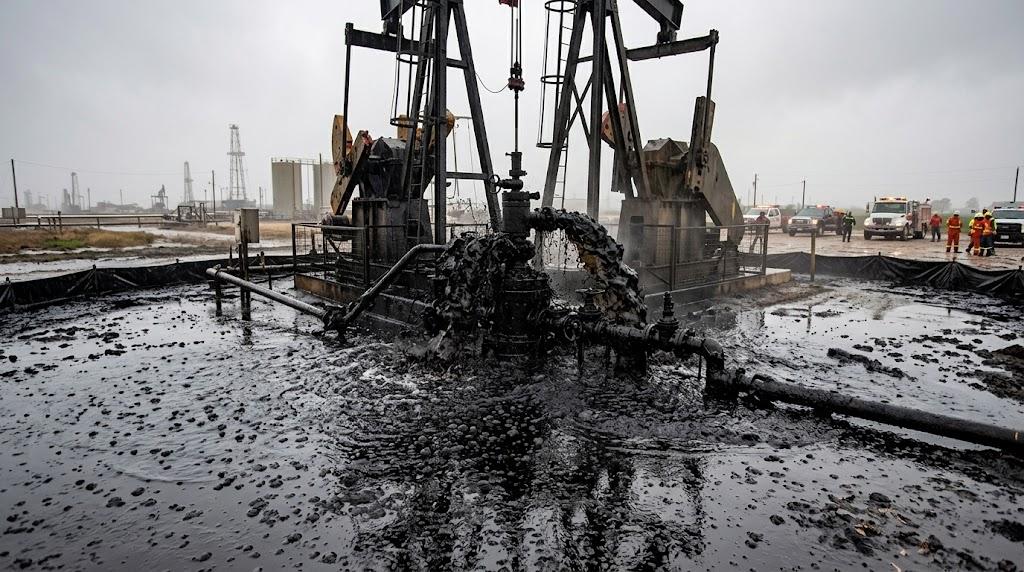
After two weeks of denial, the Nigerien government finally acknowledged on October 12, 2026, that a catastrophic oil and gas eruption has engulfed the Goumeri W-8 well in the Agadem block. Operated by CNPC Niger Petroleum (a subsidiary of the Chinese giant CNPC), the site has been spewing crude oil over ten meters high since September 25th. Described by officials as an incident of ‘exceptional gravity’ and the worst such disaster since Niger began oil production in 2011, the blowout has also compromised two adjacent wells and left two workers hospitalized.
Why did Niamey take 17 days to respond?
Despite the immediate risks—including potential soil and groundwater contamination—Niger’s civil society groups, including the Environmental Action Group (GREN), had been sounding alarms since day one. Yet the government remained silent until well into the crisis. Emergency measures, such as containment dikes and retention ponds, were hastily constructed to curb the spread of oil, but authorities have yet to estimate the total volume of crude lost or the full extent of environmental damage.
The myth of energy sovereignty amid technical shortcomings
Niger has long championed energy independence, pushing for stricter local employment quotas—including mandating that 80% of CNPC’s workforce be Nigerien nationals. However, the Goumeri W-8 disaster has exposed a harsh reality: Niamey lacks the specialized technicians required to contain a damaged wellhead. Faced with this gap, the government turned to Algeria, leveraging the decades of expertise Sonatrach has cultivated in Saharan oilfield emergencies.
Sonatrach’s role in sealing the disaster
This request reflects the growing energy and diplomatic cooperation between Niger and Algeria, a partnership that has strengthened since the start of the year. Beyond technical support and an independent audit to assess CNPC’s liability, Sonatrach is already involved in the Kafra permit and the marketing of Agadem crude. As of now, no timeline has been set for permanently plugging the well.
What’s next for Niger’s energy future?
- Short-term: Containment efforts continue, but without a clear assessment of damages, long-term recovery remains uncertain.
- Long-term: The crisis raises urgent questions about Niger’s ability to manage its oil sector independently—or whether it must rely on regional partners like Algeria for critical interventions.