Facing cash-flow strains, Cameroon’s minister of Water and Energy has turned to a long-discussed model: public-private partnerships (PPPs) for capital-intensive infrastructure. The announcement came during a meeting with Italy’s ambassador to Cameroon, Filippo Scammacca del Murgo, and Riccardo Rossi Van Lamsweerde, head of the regional office of Cassa Depositi e Prestiti, the Italian public financial institution.
Backed into a corner, the Cameroonian minister has finally embraced the formula economists — including the late Christian Penda Ekoka — had long championed: PPPs for heavy-investment sectors. The state is struggling with a treasury deficit that slows down investments. Worse, the Ministry of Finance, caught up in repaying unproductive debts, has been unable to settle KPDC, depriving the country of 300 MW of electricity.
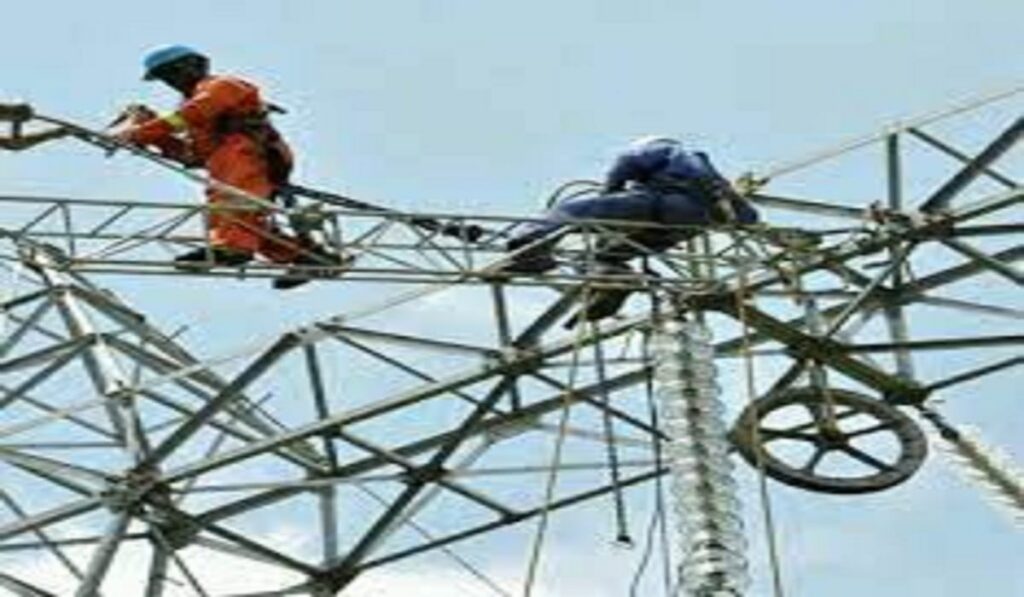
Cameroon loses 30 MW of electrical energy every day, dissipated through a defective transmission network. That 30 MW equals the current output of the Lagdo dam. A public-private partnership would allow investors to inject capital into these projects. The minister revealed this during an audience with the Italian ambassador, accompanied by the head of the regional office of Cassa Depositi e Prestiti.
“It remains to ask the Minister of Transport why he must indebt poor citizens for road projects regularly awarded to impostors, when a PPP would solve the situation. Note that this loss of 30 MW of production has been known for several years, first mentioned in 2014. But in its planning, the government preferred to invest over 100 billion FCFA in the Mekin dam rather than plug this leak,” added the minister.
A PPP involves steering projects from design through execution and management by private partners, thus excluding civil servants from operational oversight. This is a suitable solution for Cameroon, which too often features immature projects or white elephants. “The Ministry of Transport, which should be the first subscriber to this financing model, is absent. Civil servants insist on being at the heart of road projects that drag on forever, like the Douala-Yaoundé or Yaoundé-Nsimalen highways,” the minister continued.