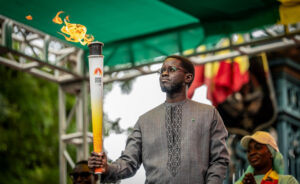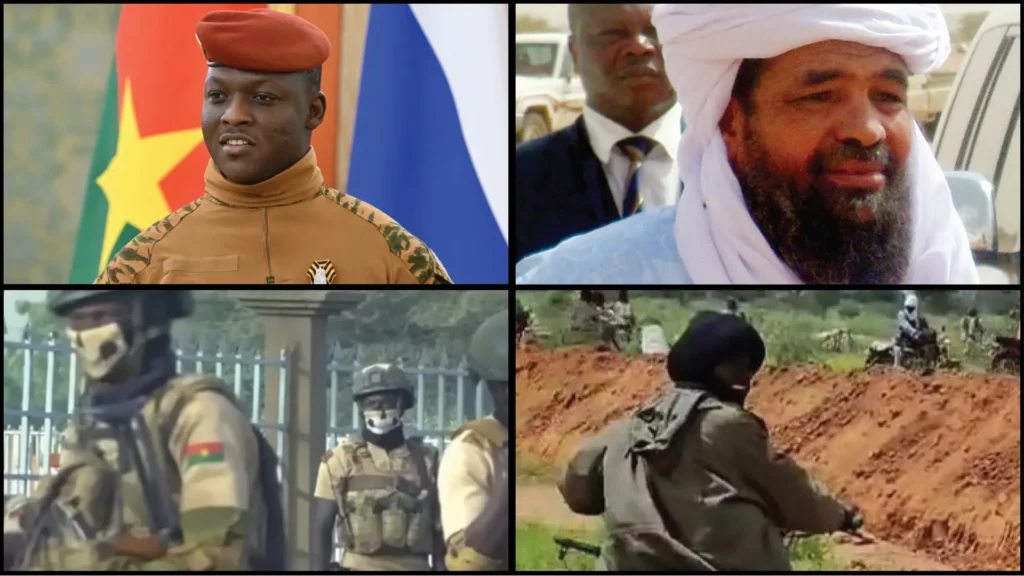
At 36, Captain Ibrahim Traoré, adorned with freshly minted captain’s stripes, presides over a presidential palace he seized through a coup, having subsequently abolished democratic elections. This convenient removal of democratic processes eliminates the need to mislead voters, allowing direct communication of narratives to journalists.
From the Koulouba palace, Traoré recently addressed six journalists, delivering a two-hour monologue filled with assertions of national resurgence. He claimed the military was reclaiming territories, industry was flourishing, gold reserves were accumulating, infrastructure was expanding, and the Burkinabè people enjoyed unprecedented freedom. The scene, he portrayed, lacked only a celebratory soundtrack and a national flag waving majestically.
A stark counter-narrative emerges
Yet, concurrent with Traoré’s optimistic address, Human Rights Watch (HRW) released a damning 351-page report titled “No One Will Escape.” This extensive document, compiling testimonies, satellite imagery, and lists of the deceased, meticulously details the killing of 1,837 civilians over two and a half years. The report implicates not only jihadist groups like JNIM but also, critically, the Burkinabè army and its allied VDP militias. A disturbing pattern highlighted is the systematic nature of killings perpetrated by state-affiliated forces, often involving drone surveillance and direct orders.
The HRW investigation uncovers serious allegations of war crimes, crimes against humanity, and the ethnic targeting of the Fulani community. Specific atrocities include the summary execution of 223 civilians, among them 56 children, in Nondin in February 2024; hundreds dead in Baraboulé in December 2023; and the massacre of 130 Fulani near Solenzo in March 2025. The evidence presented includes mass graves, harrowing survivor accounts, and corroborating satellite data.
Such findings starkly contradict the official narrative, making claims of a mere “Western conspiracy” difficult to sustain.