Ouagadougou’s strategic pivot raises questions about true independence
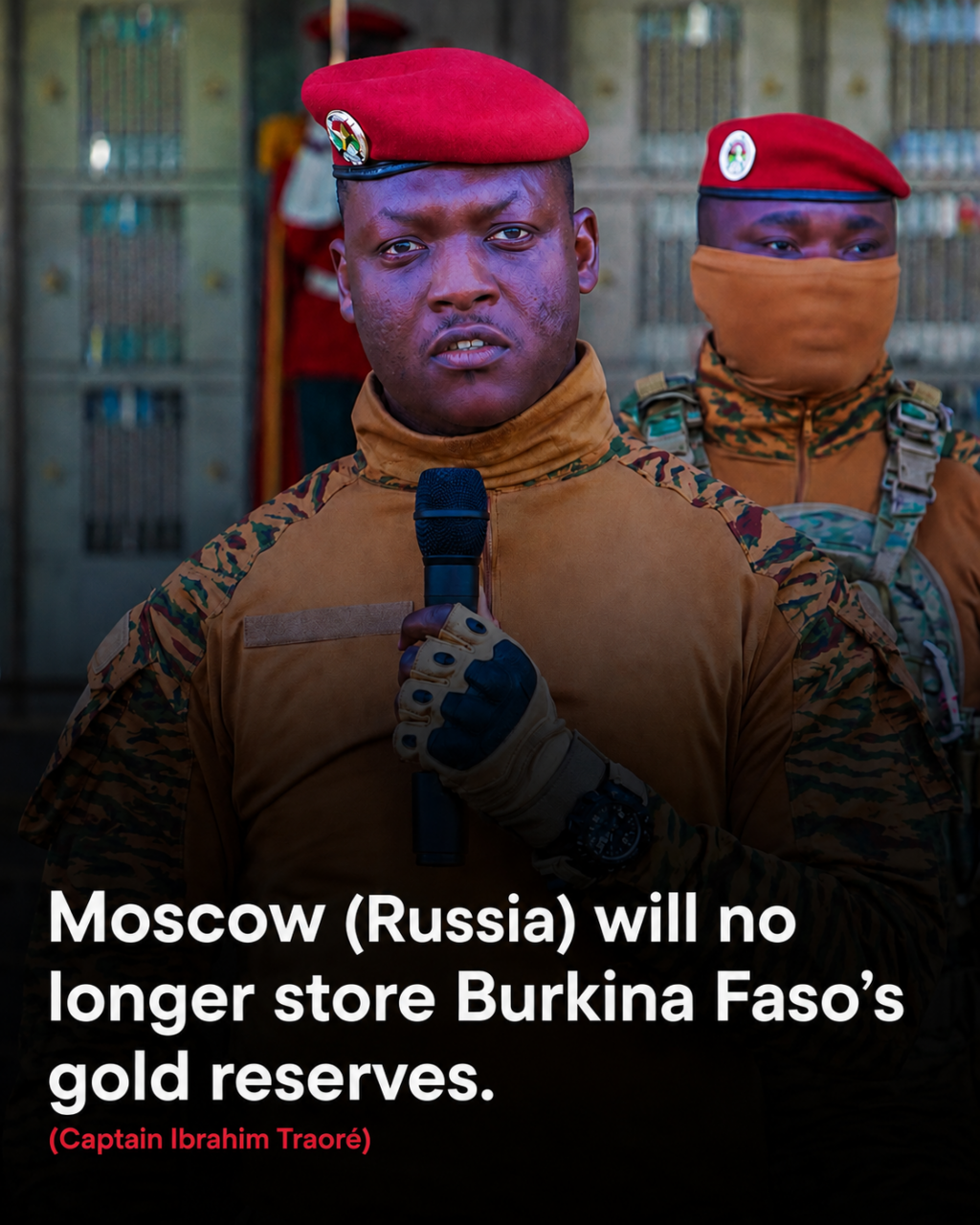
The Burkina Faso transitional government, led by Captain Ibrahim Traoré, has long championed a bold narrative of reclaiming national sovereignty. This rhetoric, embraced by a youth eager to break free from the shadow of former colonial power France, has found resonance across the country. Yet, the rapid and uncritical alignment with Russia is beginning to reveal a troubling paradox: instead of achieving true autonomy, the nation risks trading one form of dependence for another.
Economic concessions: a costly gamble on gold
The recent negotiations surrounding the management and security of Burkina Faso’s gold sector—responsible for nearly 80% of the country’s export earnings—highlight a stark vulnerability. By entertaining partnerships where Russian entities impose disproportionate financial or logistical demands, Ouagadougou is weakening its own economic foundation. Entrusting the control, storage, or concessions of its natural resources to foreign hands under the pretext of shielding them from Western influence is a historical misstep. A sovereign state does not secure its wealth by surrendering it to another superpower; it builds internal resilience to ensure lasting independence. Paying a premium to Moscow to protect Burkina Faso’s gold deposits is no longer cooperation—it is a form of tribute.
Military dependence: the illusion of strength
The shift toward Russia, marked by the deployment of military instructors and paramilitary forces (formerly associated with Wagner Group, now rebranded as Africa Corps), was meant to swiftly reverse the tide against armed terrorist groups. However, the financial burden of this arrangement is crippling the national budget, while tangible improvements on the ground remain elusive. The recent surge in violent attacks targeting Burkina Faso’s defense and security forces serves as a grim reminder of this reality. By tethering the country’s security to the Kremlin’s shifting geopolitical priorities, Ouagadougou risks surrendering its strategic autonomy. Should Moscow decide to reallocate resources or escalate financial demands, the Burkina Faso government would find itself with few tools to push back.
From Françafrique to Russafrique: a cycle of dependency
The most glaring contradiction lies in the regime’s ideological inconsistency. How can the legitimate rejection of Western paternalism be reconciled with the uncritical embrace of Moscow’s opportunistic imperialism? The answer is simple: replacing one master with another does not constitute liberation—it is a confession of weakness.
Russia’s engagement in Africa is not driven by altruism or anti-colonial solidarity; it is a calculated move to evade international sanctions, secure critical resources, and gain diplomatic leverage against Western blocs. By turning to Moscow to escape Paris, Burkina Faso has not broken its chains—it has merely exchanged one set of shackles for another.
A diplomacy of isolation
This exclusive partnership with Russia is isolating Burkina Faso on both regional and global stages. By severing ties with traditional donors and straining relationships with neighboring countries, the transitional government is narrowing its diplomatic options. A truly sovereign nation diversifies its alliances to balance influence; it does not lock itself into a one-sided, asymmetrical relationship where it remains perpetually in the position of the supplicant.
The people of Burkina Faso may soon face a harsh awakening. True sovereignty is not measured by the volume of anti-Western rhetoric, but by a nation’s ability to chart its own course without seeking approval from foreign capitals—whether in Paris, Washington, or Moscow. By mortgaging its gold and outsourcing its security to Russia, the current regime is not safeguarding the country’s future; it is mortgaging its independence for decades to come.