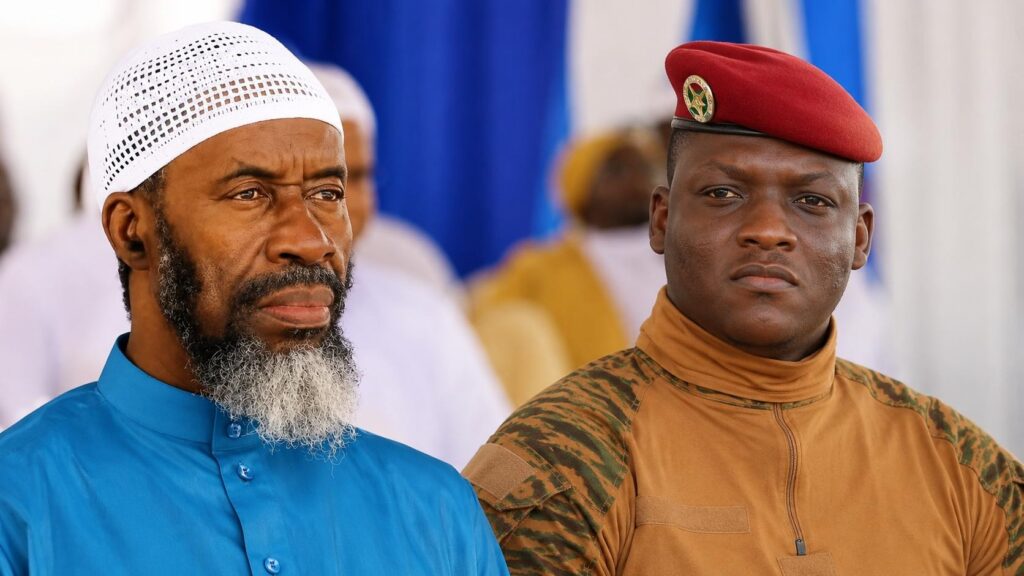
The governor of Kadiogo region’s decision to shutter the prominent Sunni mosque in Ouagadougou has sent shockwaves through Burkina Faso, leaving citizens baffled by the government’s abrupt about-face. While authorities claim the closure is necessary to prevent “public disorder,” the timing raises serious questions about their long-term strategy toward the very communities that once bolstered their legitimacy.
From allies to adversaries: the political cost of broken trust
Analyzing this move requires looking back at Burkina Faso’s recent political evolution. During critical transition periods, the current leadership actively courted religious and civil society groups, particularly the disciplined Sunni movement. Their ability to mobilize supporters made them a cornerstone of the regime’s popular base.
By leveraging themes of piety, patriotism and religious simplicity, authorities successfully converted places of worship into political strongholds. The same mosques that amplified the government’s message now stand sealed—a bitter irony for believers who once rallied for what they believed was a noble cause.
“Using faith as a political tool only to later stifle its expression exposes a dangerous miscalculation in governance.”
Timing that could deepen social fractures
Burkina Faso’s fragile stability hinges on social cohesion. In this delicate environment, targeting a major religious community risks backfiring spectacularly. Far from easing tensions, the mosque’s closure may radicalize dissent and fuel widespread feelings of betrayal among worshippers.
When authorities suppress a community’s central hub under vague security pretexts, they often push dissent underground—where it becomes harder to address. The rushed nature of this administrative decision underscores a concerning lack of foresight regarding social dynamics.
Coercion vs. dialogue: a false dichotomy
The rule of law must prevail, but justice loses its moral authority when applied selectively against those who once believed in inclusive governance. Burkina Faso’s leaders must recognize that true stability cannot be imposed through mosque closures but through honest, inclusive dialogue with religious and community leaders.
By continuing down this repressive path, the government risks alienating a vital support base and reinforcing accusations of political opportunism. The immediate suspension of this decision and a commitment to open negotiations are essential before the rift between religious communities and state institutions becomes irreversible.