The military-led authorities in Burkina Faso have taken decisive action against a leading student organization, suspending its operations and detaining its president. This move marks a significant escalation in the government’s efforts to curb dissent within educational institutions across the nation.
Why the government targets student organizations
The suspension of the National Union of Burkina Faso Students (UNESB) follows a pattern of tightening control over civil society groups perceived as opposing the current administration. The junta has accused the organization of fomenting unrest and undermining national stability through protests and dissenting activities on university campuses.
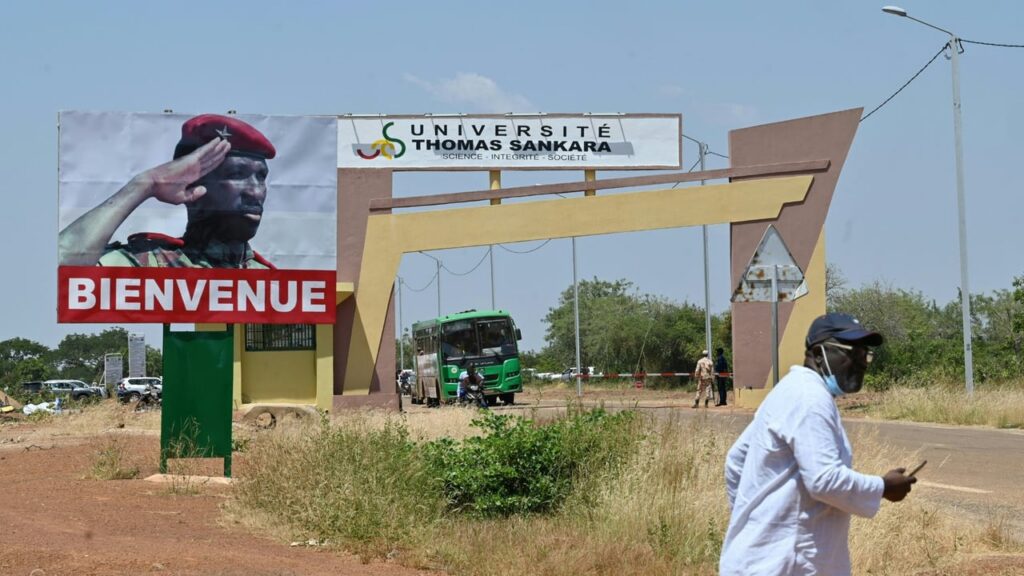
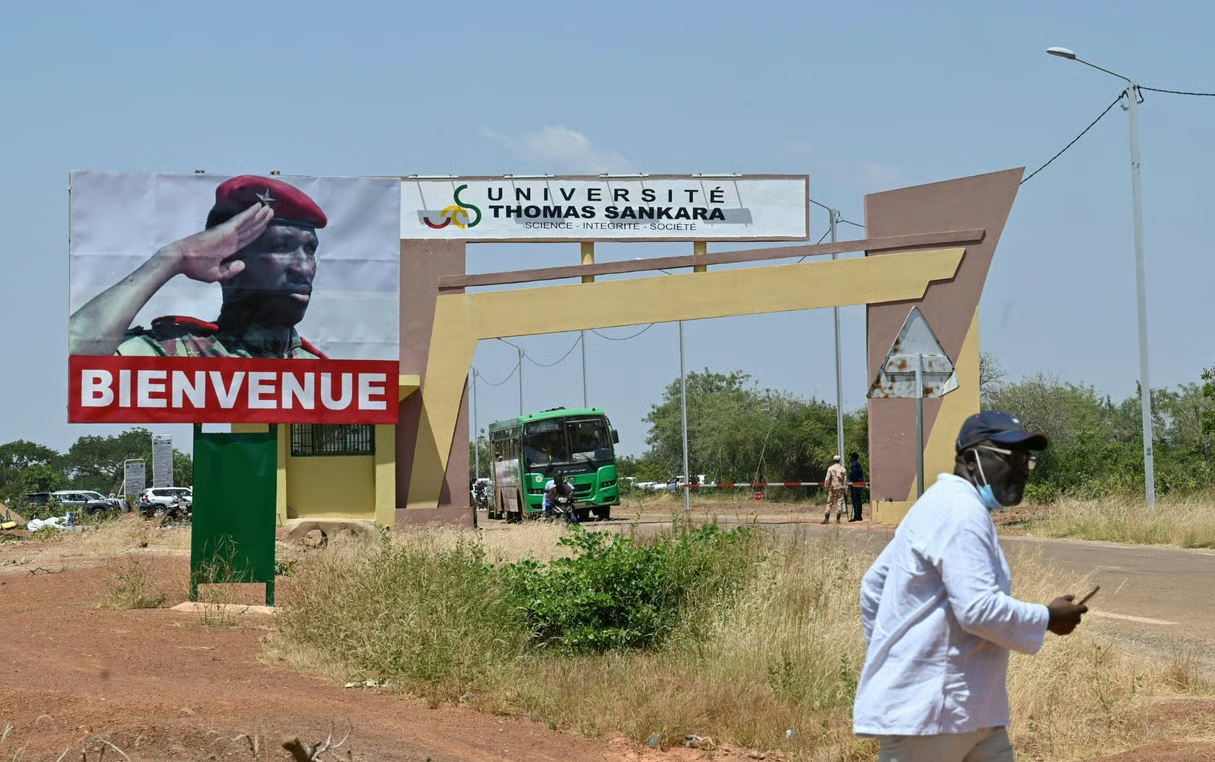
University campuses, particularly at Thomas Sankara University in Ouagadougou, have become hotspots for political expression. Authorities allege that the union’s leadership has repeatedly called for strikes and demonstrations that disrupt academic activities and public order.
Key figures behind the crackdown
The detention of the union’s president signals a broader strategy to neutralize influential voices within the student movement. While the government has not disclosed specific charges, local observers suggest the move is part of a wider campaign to consolidate power and suppress opposition.
The junta, which seized power in 2022, has faced growing criticism over its handling of political freedoms and economic challenges. By targeting student leaders, the authorities aim to quell potential sources of organized resistance.
Reactions from the academic community
Academics and student activists have condemned the suspension, calling it an attack on fundamental rights. Many view the decision as an overreach that stifles free expression and academic freedom. Protests have been reported in several campuses, though security forces have moved swiftly to disperse gatherings.
Some educators argue that the government’s actions could fuel further unrest, as younger generations grow increasingly frustrated with the lack of political representation and deteriorating living conditions.
What happens next?
The junta has not indicated when, or if, the union’s activities will be restored. Meanwhile, the arrested leader remains in custody without formal charges, raising concerns about due process and human rights violations.
The situation remains fluid, with both sides digging in their positions. Observers warn that further crackdowns on dissent could deepen divisions within Burkinabè society.