«The current tuition fees are simply unaffordable. Setting a cap will ease the burden on parents and ensure our children can attend school,» asserts Alain Damiba, a slam poet who firmly believes regulated fees are long overdue.
While some see this move as a lifeline for struggling families, others question its long-term impact. Critics argue that investing in public education infrastructure would be a more sustainable solution. Meanwhile, supporters highlight how even a modest reduction in fees could significantly alleviate financial pressure on households.
«Every little helps, even a 10,000-franc cut. With prices skyrocketing and wages stagnant, every franc counts,» laments Giles Sawadogo, a father of three.
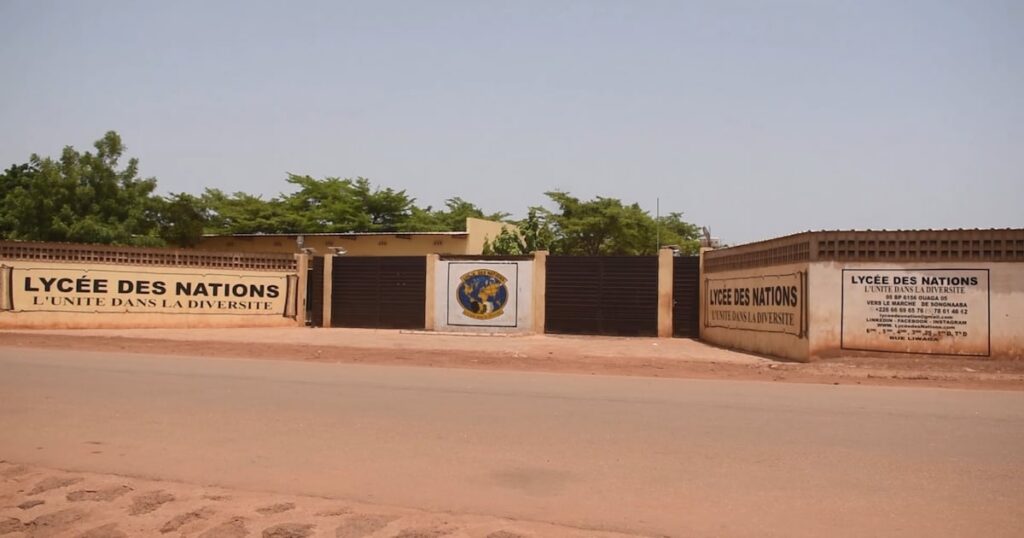
The debate over an ideal fee structure has divided opinions. Some propose a yearly cap between 50,000 and 100,000 FCFA per child, varying by grade level and services offered. Others advocate for completely free education across all levels.
«Free schooling would be ideal. For universities, the state could introduce more affordable options. Burkina Faso needs more public schools—especially technical institutions—along with public universities,» emphasizes Bassirou Gnaboné, a first-year Master’s student in Taxation. «This would balance the scales, forcing private schools to adjust their fees to stay competitive.»
Experts caution that fee regulation alone won’t solve the crisis. They stress that the government must also ramp up investments in public education—building more schools, hiring qualified teachers, and upgrading facilities. Over time, this could reduce families’ reliance on private institutions.