With Tabaski 2026 just two weeks away, Burkina Faso’s sudden halt on all livestock exports has left Côte d’Ivoire scrambling to secure 172,000 animals—a demand that its traditional suppliers are increasingly unable or unwilling to meet.
On May 8, 2026, Burkina Faso’s Ministries of Commerce, Agriculture, and Economy jointly issued an interministerial decree suspending the issuance of Special Export Authorizations (ASE) for livestock. The ban took effect three days later, giving holders of existing ASEs just one week to complete their transactions. After that deadline, no live cattle will legally cross Burkina Faso’s borders.
Ouagadougou claims the move is purely domestic: « ensuring sufficient livestock supply within national markets ahead of Tabaski, stabilizing prices, and protecting household purchasing power. » Yet in Abidjan, the decision has sent shockwaves through supply chains and markets alike.
Côte d’Ivoire’s fragile livestock supply chain
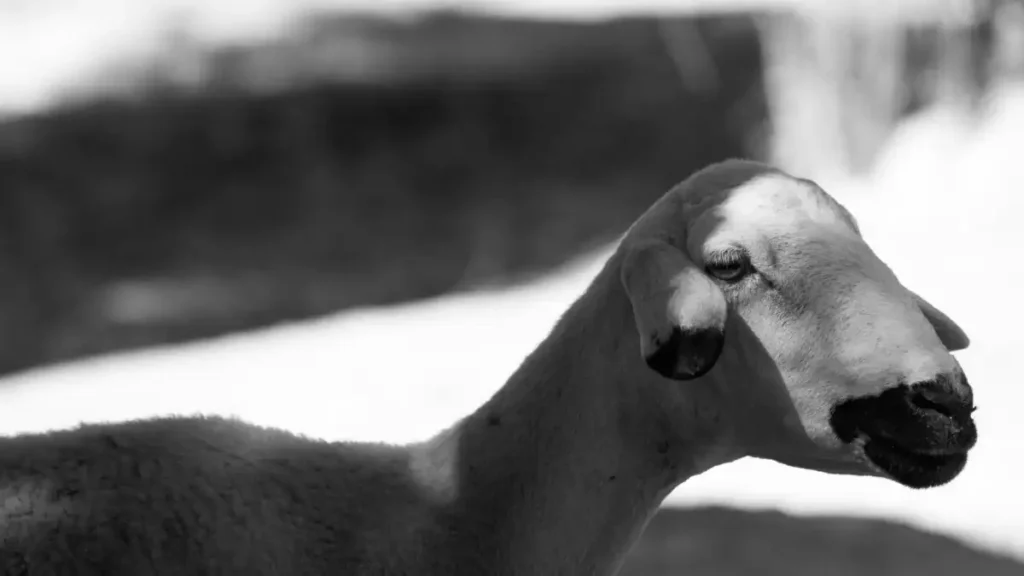
Ivorian authorities estimate Tabaski 2026 will require 172,000 animals—rising to 350,000 when accounting for ovine and bovine stock. Local production covers only about 25% of this demand, leaving a massive shortfall. Historically, Côte d’Ivoire has relied on Sahelian neighbors—Burkina Faso, Mali, Niger, and to a lesser extent, Bénin—to fill the gap.
At the Yamoussoukro livestock market, traders have felt the squeeze for weeks. « Prices have surged by 10% compared to last year, » confirms Mohamed Touré, spokesperson for Interprix in Yamoussoukro. He points directly to Sahel insecurity: « Mali and Burkina Faso are no longer exporting due to conflict, and without Niger’s supply, Côte d’Ivoire would face severe shortages. »
Facing an impending crisis, Ivorian authorities are urging Muslim communities to adapt. On May 11, 2026—the same day Burkina Faso’s ban took effect—the cabinet director of the Ministry of Animal and Fisheries Resources met with the Supreme Council of Imams, Sunnite Organizations, and Structures in Côte d’Ivoire (CODISS). The goal? To encourage worshippers to use locally raised rams for sacrifice. While pragmatic, this approach clashes with cultural preferences: local breeds are smaller and less favored than Sahelian sheep.
Burkina Faso’s strategic pivot in livestock trade
Ouagadougou’s decision isn’t isolated. It aligns with the broader economic doctrine of the Alliance of Sahel States (AES)—Mali, Niger, and Burkina Faso. Niger implemented a similar livestock export ban ahead of Tabaski 2025, while Burkina Faso has progressively restricted other agricultural exports, including fresh tomatoes and day-old chicks.
The shift reflects a deliberate strategy: moving from raw livestock exports to value-added meat products. The Faso Abattoir Agency, launched in April 2025, symbolizes this transition. According to the National Institute of Statistics and Demography (INSD), Burkina Faso’s live animal exports surged from 400 million CFA francs in 2020 to nearly 11.8 billion in 2024—making livestock the country’s third-largest export. The ban thus strikes at a critical economic pillar, amplifying its political significance.
Diplomatic tensions lurking behind the ban
The timing of Burkina Faso’s move raises eyebrows. Since the September 30, 2022 coup that brought Captain Ibrahim Traoré to power, relations between Ouagadougou and Abidjan have deteriorated. In April 2024, Burkina Faso’s transitional president accused Côte d’Ivoire of « hypocrisy » for allegedly hosting « destabilizers » against his regime. By September 2024, the Burkinabè Minister of Security, Mahamadou Sana, publicly targeted exiled Burkinabè in Côte d’Ivoire—including former Foreign Minister Alpha Barry—accusing them of « subversive activities. »
Tensions peaked on December 31, 2024, when Traoré recalled his chargé d’affaires and several consuls from Abidjan. Since then, neither country has had a full ambassador in place—only interim chargés d’affaires.
A tentative thaw emerged on December 6, 2025, when Côte d’Ivoire’s Minister of African Integration, Adama Dosso, met his Burkinabè counterpart, Karamoko Jean Marie Traoré. Their joint statement emphasized « two lungs of the same economic and social body » and the need to « consolidate trust. » Yet it also underscored Burkina Faso’s « determination to act firmly when necessary. »
Five months later, the livestock ban seems to embody that « firmness. » While Ouagadougou denies any link to diplomatic tensions, the timing—just weeks after the April 2026 death in detention of Burkinabè activist Alino Faso—has fueled speculation about its motives.
What’s next? The answer lies in the ban’s duration
Is Burkina Faso’s livestock suspension a temporary safeguard for domestic supply—or a calculated message to Abidjan? While Ouagadougou’s sovereignty arguments align with AES doctrine, the timing and target suggest deeper motives. Côte d’Ivoire, already grappling with import shortfalls, has few alternatives: Mali remains embroiled in conflict, Niger may follow suit, and Bénin cannot bridge such a gap alone.
The key will be how long the ban lasts. If lifted swiftly after Tabaski, the official narrative of food security holds. If prolonged, the move could be seen as a deliberate signal to Côte d’Ivoire. In the meantime, markets in Yamoussoukro, Abidjan, and Bouaké must absorb the shock—and Ivorian worshippers may need to reconsider their sacrificial traditions this year.